
 英语
英语 俄语
俄语Content
- 1 1. The Rise of Industrial Hemp and CBD: A Market Overview
- 2 2. Core Features of the Hemp Oil Extraction Production Line
- 3 3. Competitive Advantages Over Traditional Systems
- 4 4. Manufacturer’s Strengths: Engineering Excellence & Industry Leadership
- 5 5. Case Study: Successful Implementation in the U.S.
- 6 6. Q&A Section
- 7 7. Conclusion
- 8 References
The global demand for cannabidiol (CBD)—a non-psychoactive cannabinoid derived from industrial hemp—has surged in recent years, driven by its potential therapeutic benefits and growing regulatory acceptance. As the market expands, manufacturers face increasing pressure to produce high-purity CBD products efficiently, scalably, and in compliance with global standards. Traditional extraction methods often fall short of these requirements, but next-generation hemp oil extraction production lines are redefining the industry. This article explores the core features, competitive advantages, and manufacturer-backed strengths of these systems, along with real-world applications and insights to guide potential users.
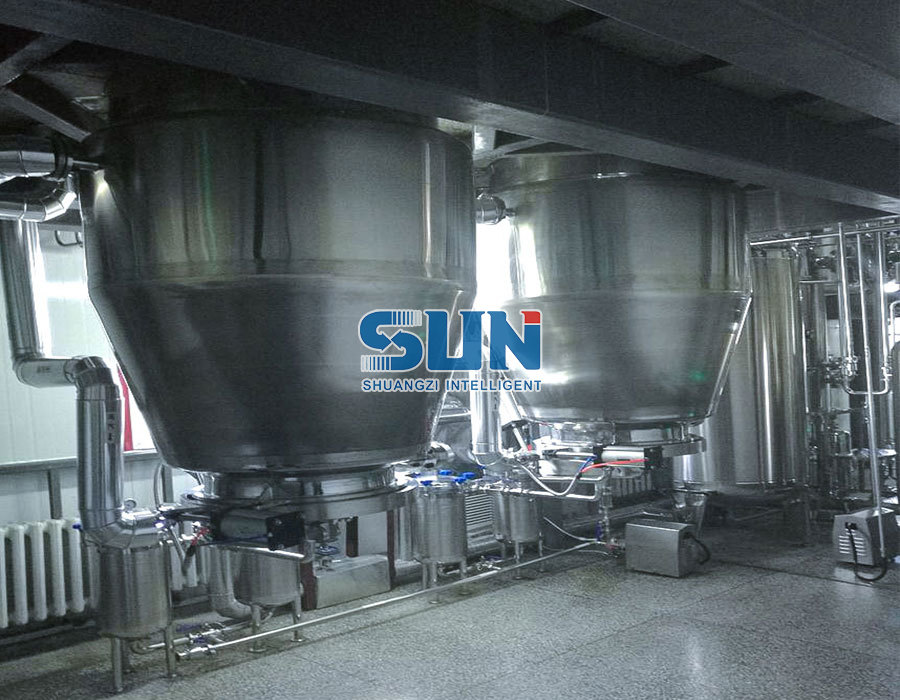
(Image 1: Global CBD Market Growth Chart 2024–2032)1. The Rise of Industrial Hemp and CBD: A Market Overview
Industrial hemp, defined as cannabis with less than 0.3% tetrahydrocannabinol (THC)—the psychoactive compound—has emerged as a sustainable, high-value crop. Unlike recreational cannabis, it is legal for industrial use in over 50 countries, including the U.S., Canada, and members of the European Union (EU). CBD, extracted from hemp, has gained traction for its purported effects on pain management, anxiety reduction, and inflammation, supported by preliminary clinical research (National Institutes of Health, 2023).
The global CBD market is projected to reach $47.2 billion by 2032, growing at a CAGR of 21.2% from 2024 to 2032 (Grand View Research, 2024). This growth is fueled by:
- Increasing consumer awareness of CBD’s therapeutic potential;
- Expanding regulatory frameworks (e.g., FDA’s 2023 approval of a CBD-based epilepsy drug);
- Demand for natural wellness products;
- Growth in pharmaceutical and nutraceutical applications.
However, traditional extraction methods—such as batch solvent extraction or supercritical CO₂ systems—pose challenges: low yield, high operational costs, residual solvent contamination, and limited scalability. To address these gaps, advanced hemp oil extraction production lines integrate cutting-edge technology with automation to deliver superior results.
2. Core Features of the Hemp Oil Extraction Production Line
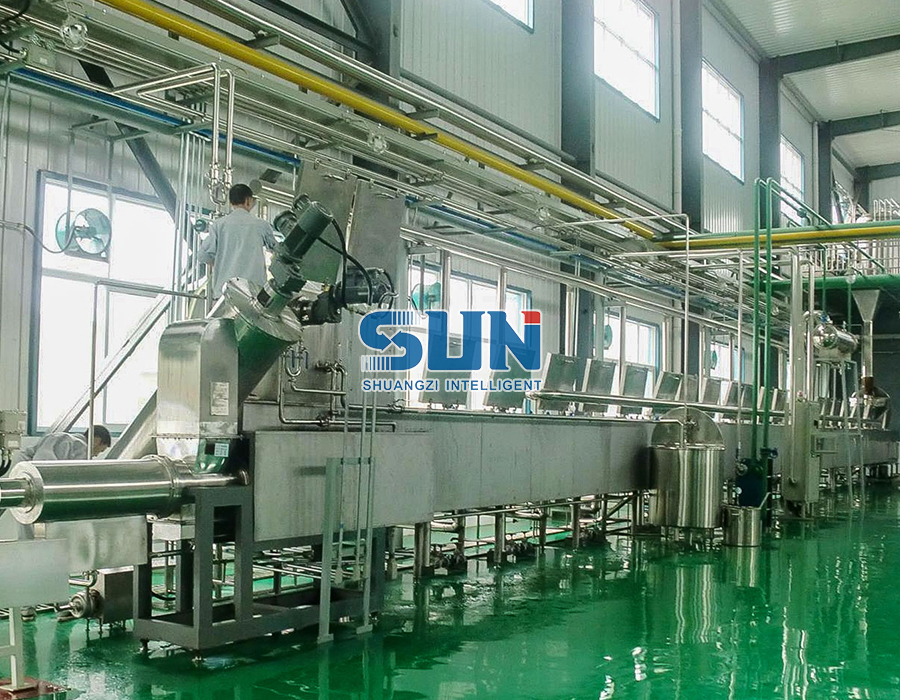
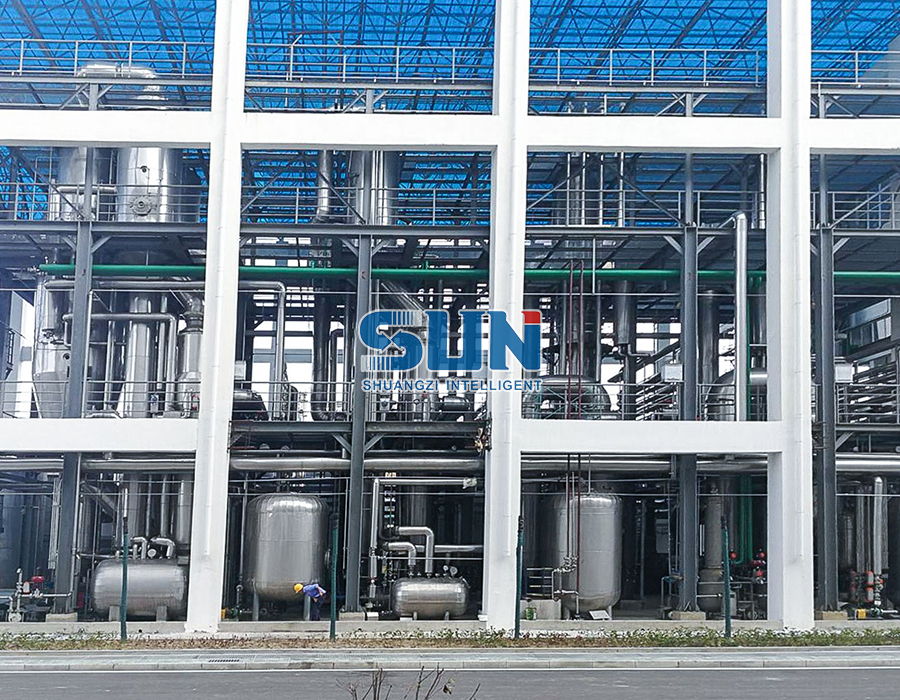
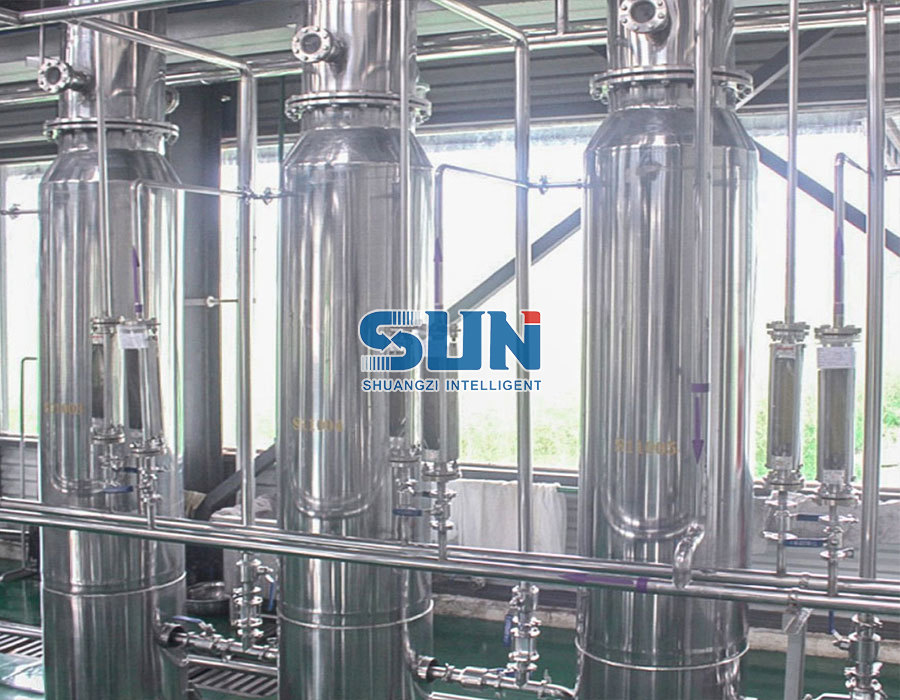
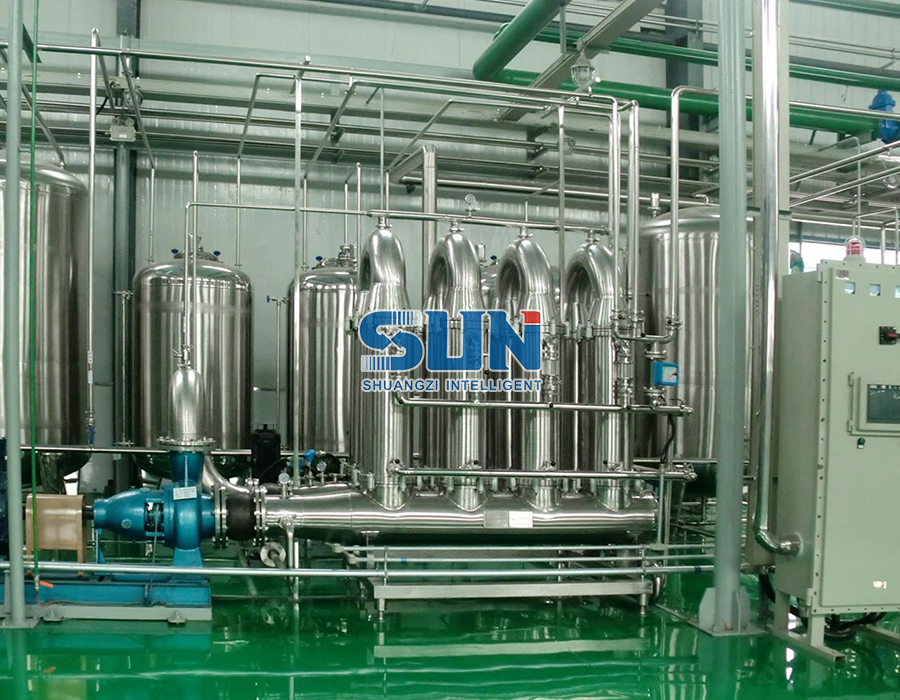
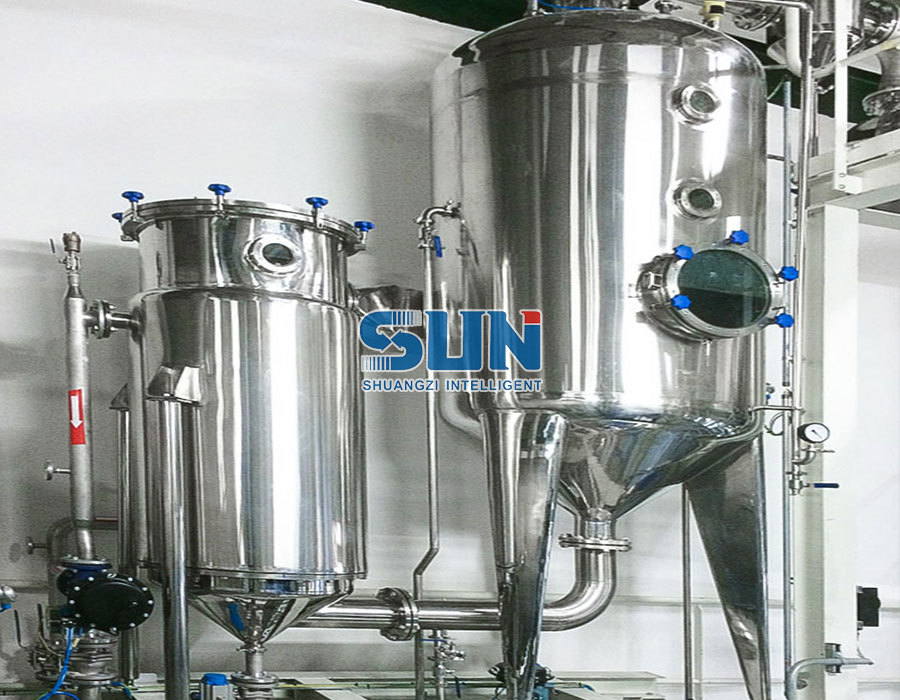
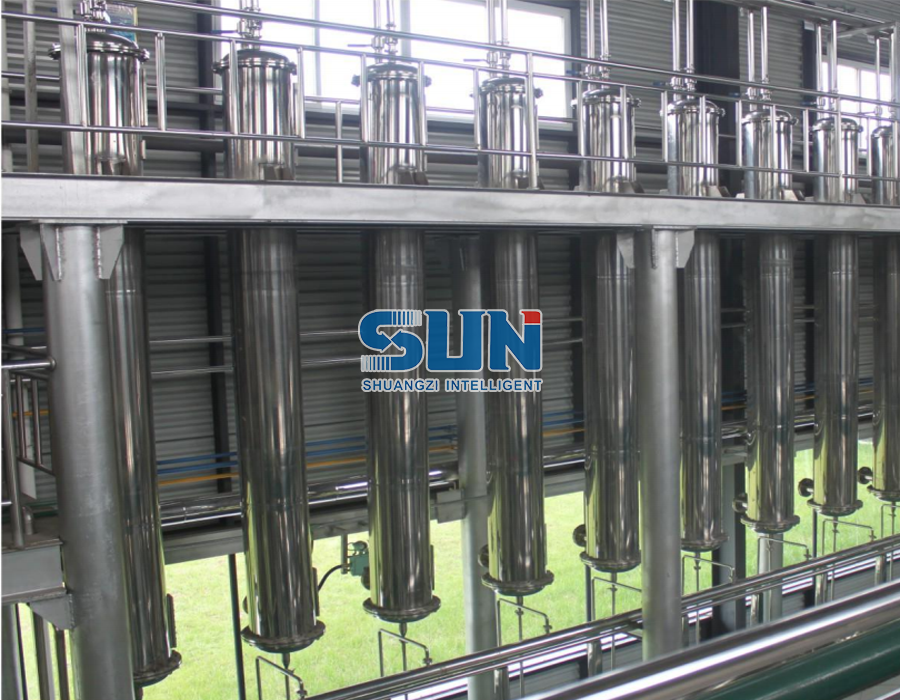
The production line is a fully integrated, modular system designed to convert raw hemp biomass into high-purity CBD oil or isolate powder. It is available in multiple configurations to suit varying production scales, from small pilot plants to large commercial facilities. Key features include:
2.1 Technical Specifications
The line offers operational capacities ranging from 600L/h to 2000L/h, with customizable modules for purification and packaging. Below is a summary of standard models:
| Model | Operational Capacity | End Product Options | Power Consumption (kW) |
|---|---|---|---|
| 600 | 600L/h | CBD Oil, Isolate Powder | 120 |
| 800 | 800L/h | CBD Oil, Isolate Powder | 150 |
| 1000 | 1000L/h | CBD Oil, Isolate Powder | 180 |
| 1200 | 1200L/h | CBD Oil, Isolate Powder | 210 |
| 1500 | 1500L/h | CBD Oil, Isolate Powder | 250 |
| 2000 | 2000L/h | CBD Oil, Isolate Powder | 300 |
2.2 End-to-End Workflow
The line follows a streamlined, automated workflow that minimizes manual intervention and maximizes yield. Key steps include:
- Raw Material Preparation: Hemp biomass is inspected for THC content (<=0.3%) and moisture levels, then crushed into uniform particles (2–5mm) to enhance extraction efficiency.
- Countercurrent Extraction: Crushed biomass undergoes solvent extraction using food-grade ethanol. Countercurrent flow (solvent moves opposite to biomass) increases CBD yield by 15–20% compared to batch extraction, reducing solvent usage by 30%.
- Multi-Stage Filtration: Crude extract is filtered to remove plant fibers, sediment, and other impurities using bag filters and cartridge filters.
- Vacuum Concentration: Excess solvent is removed via vacuum evaporation (boiling point reduced to 40–50°C), preventing thermal degradation of CBD.
- Winterization: Concentrated extract is chilled to -20°C to precipitate waxes and lipids, which are filtered out to produce clear CBD oil.
- Decarboxylation: CBDa (inactive form) is converted to active CBD via controlled heating (100–120°C for 30–60 minutes).
- Purification (Optional): For isolate powder, the extract undergoes molecular distillation (separates CBD from other cannabinoids) and chromatography (refines to 99%+ purity).
- Quality Control & Packaging: Final product is tested for purity, THC content, and residual solvents, then packaged in child-resistant containers (compliant with FDA/EU regulations).
3. Competitive Advantages Over Traditional Systems
The production line outperforms competing solutions in several key areas:
3.1 Higher Yield & Efficiency
Countercurrent extraction delivers a CBD yield of up to 95% from high-quality biomass—15–20% higher than batch systems. Vacuum concentration reduces energy consumption by 25% and solvent loss by 30%, lowering operational costs by 20–25% annually.
3.2 Superior Purity & Compliance
Multi-stage purification ensures residual solvent levels <10 ppm (well below FDA/EU limits) and CBD purity >99% for isolate powder. Real-time THC monitoring (via near-infrared spectroscopy) ensures compliance with the 0.3% legal limit for industrial hemp.
3.3 Scalability & Flexibility
Modular design allows businesses to start with a small model (e.g., 600L/h) and expand to larger capacities as demand grows. Optional modules (e.g., CBG extraction, automated packaging) adapt to changing market needs.
3.4 Turnkey Solutions & Ease of Operation
The manufacturer provides end-to-end support: process design, equipment installation, line debugging, and operator training. The system features a user-friendly HMI with real-time data monitoring, automated parameter control, and self-diagnostic tools—reducing downtime to <1% per year (vs. industry average 3–5%).
3.5 Durability & Compliance
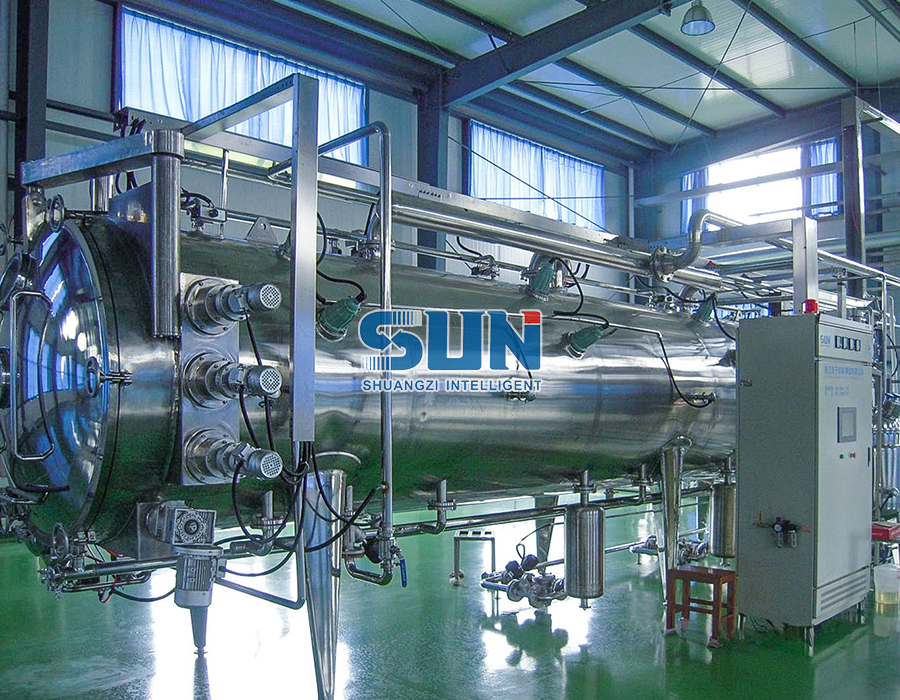
Key components (extraction tanks, distillation units) are made from 316L stainless steel (FDA-approved, corrosion-resistant). Precision welding (plasma argon arc) ensures leak-free operation, and the line complies with GMP, FDA, and CE standards.
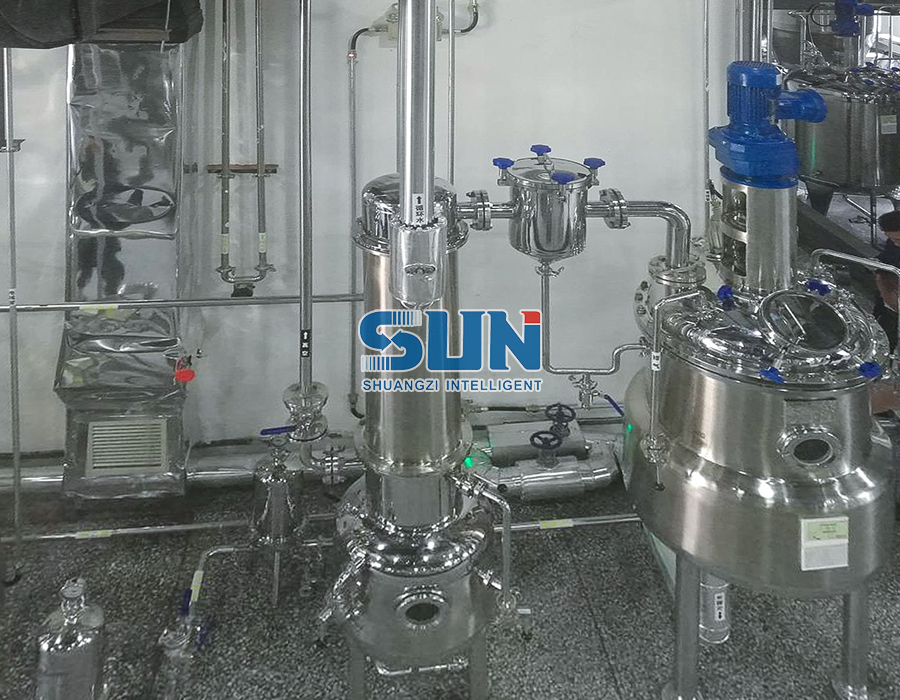
(Image 3: Close-Up of 316L Stainless Steel Extraction Tank)4. Manufacturer’s Strengths: Engineering Excellence & Industry Leadership
The line is produced by a leading biology and medical equipment manufacturer with over 17 years of experience. Its core strengths include:
4.1 EPC/EPCM Expertise
The company specializes in Engineering, Procurement, and Construction Management (EPC/EPCM) projects, handling every aspect of a client’s facility—from initial design to commissioning. This reduces project timelines by 20–30% and eliminates integration issues.
4.2 R&D & Innovation
A 50+ member R&D team focuses on optimizing extraction processes and developing new technologies. Recent innovations include:
- Low-temperature countercurrent extraction (25% energy reduction);
- Real-time THC monitoring (near-infrared spectroscopy);
- Automated solvent recovery systems (30% solvent savings).
4.3 Pilot Production & Testing
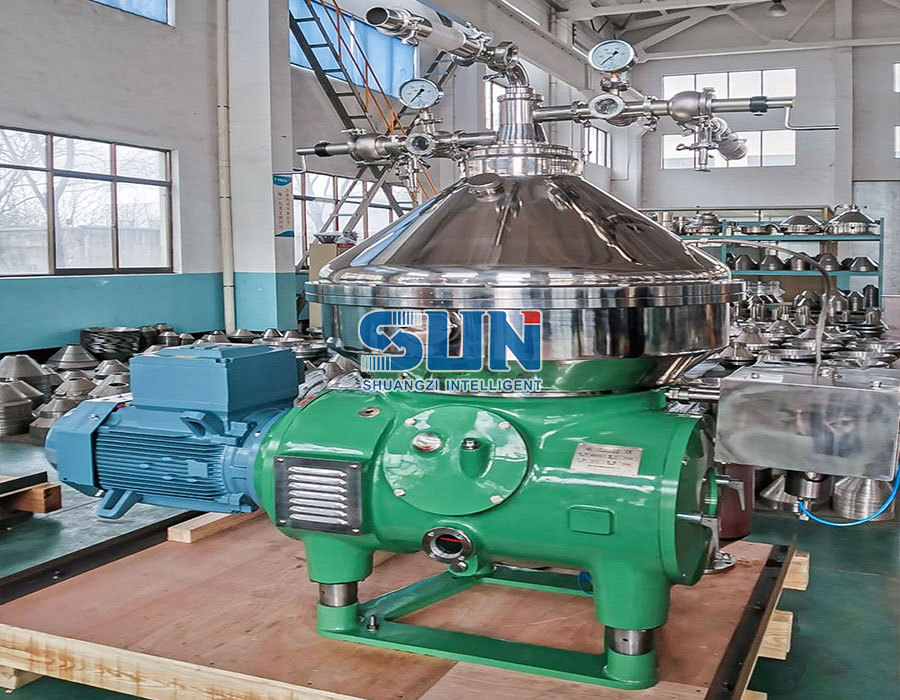
A state-of-the-art pilot facility allows clients to test processes and products before scaling up. Equipped with miniaturized extraction lines and HPLC/GC-MS labs, it helps clients optimize parameters and validate product quality—reducing risk and cost.
4.4 Global Compliance & Certifications
The company holds ISO 9001 (Quality Management), ISO 14001 (Environmental Management), and CE certifications. It provides validation documentation to help clients meet regulatory requirements in the U.S., EU, and Asia.
4.5 After-Sales Support
24/7 technical support, on-site maintenance, and 48-hour spare parts delivery ensure minimal downtime. Extended warranty options (up to 3 years) and regular operator training further enhance client satisfaction.
(Image 4: Pilot Production Facility Interior)5. Case Study: Successful Implementation in the U.S.
A mid-sized CBD manufacturer in Colorado faced challenges with low yield (75%) and high operational costs using a batch extraction system. The company installed a 1200L/h line with winterization and chromatography modules. Results after 6 months:
- CBD yield increased to 92%;
- Operational costs reduced by 28%;
- Production capacity rose from 500kg to 1200kg of CBD oil/month;
- Compliance with FDA and Colorado state regulations was fully achieved.
The client reported a 40% revenue increase due to higher volume and better product quality.
6. Q&A Section
Q1: What is the minimum order quantity (MOQ)?
A1: MOQ is 1 set, as each line is customized to client needs (capacity, end product).
Q2: How long does installation take?
A2: 4–8 weeks, depending on capacity and facility readiness. On-site engineers oversee the process and train operators.
Q3: Can the line extract other cannabinoids (e.g., CBG, CBN)?
A3: Yes—adjust extraction parameters and add specific purification modules (e.g., CBG chromatography).
Q4: What is the warranty period?
A4: 1-year standard warranty (parts/labor). Extended warranties are available.
Q5: Does the company provide regulatory support?
A5: Yes—validation protocols, operator manuals, and compliance documentation for FDA/EU/Asian markets.
7. Conclusion
The advanced hemp oil extraction production line is a game-changer for CBD manufacturing. Its combination of high yield, superior purity, scalability, and turnkey support addresses the industry’s most pressing challenges. Backed by a manufacturer with decades of engineering expertise, this line is poised to meet the growing demand for high-quality, compliant CBD products. As the market evolves, it will continue to set new standards for efficiency and innovation in the field.
References
1. Grand View Research. (2024). Global Cannabidiol (CBD) Market Size, Share & Trends Analysis Report 2024–2032. San Francisco, CA: Grand View Research.
2. National Institutes of Health (NIH). (2023). Cannabidiol (CBD) Fact Sheet. Bethesda, MD: U.S. Department of Health and Human Services.
3. Food and Drug Administration (FDA). (2023). CBD Products: Regulatory Status. Silver Spring, MD: FDA.
4. European Medicines Agency (EMA). (2021). GMP Guidelines for Active Pharmaceutical Ingredients. Amsterdam, Netherlands: EMA.
5. World Health Organization (WHO). (2020). Industrial Hemp: Sustainable Crop for Food & Materials. Geneva, Switzerland: WHO.