
 英语
 俄语
Content
- 1 Understanding the Role of Bt Fermentation Equipment
- 2 Complete Process Configuration
- 3 Materials and Hygienic Construction
- 4 Advantages Compared with Less Integrated Systems
- 5 Advanced Manufacturing and Engineering Strengths
- 6 Key Technical Specifications
- 7 Designing the Fermenter for Biological Performance
- 8 Installation, Commissioning, and Turnkey Project Services
- 9 Quality, Maintenance, and Long-Term Operation
- 10 Applications in Microbial Pesticide Manufacturing
- 11 Why a Customized Solution Is Important
- 12 Project Development from Concept to Production
- 13 Commercial and Operational Value
- 14 Safety and Environmental Considerations
- 15 Frequently Asked Questions
- 15.1 What is a Bt fermentation production line?
- 15.2 What capacity range is available?
- 15.3 Can the system be used for pilot production?
- 15.4 Which stainless-steel materials are available?
- 15.5 Why are mirror-polished surfaces important?
- 15.6 How does the system reduce contamination risk?
- 15.7 What type of agitator is included?
- 15.8 Is the electrical voltage fixed?
- 15.9 What motor brand is specified?
- 15.10 Can the line be fully automated?
- 15.11 Does the supplier provide installation services?
- 15.12 Can downstream filtration be included?
- 15.13 What information is needed for a project quotation?
- 16 Conclusion
- 17 References
- 18 Product: Bt Fermentation Production Line | Bacillus Thuringiensis Fermenter for Microbial Pesticide
Bacillus thuringiensis, commonly known as Bt, is one of the most widely used microorganisms in biological pest management. Bt-based microbial pesticides are valued because they can provide targeted insect control while supporting integrated pest management programs and reducing dependence on conventional chemical insecticides. As demand for biological crop-protection products grows, manufacturers need fermentation equipment that can deliver stable microbial activity, repeatable production results, efficient sterilization, and practical scale-up from laboratory development to industrial manufacturing.
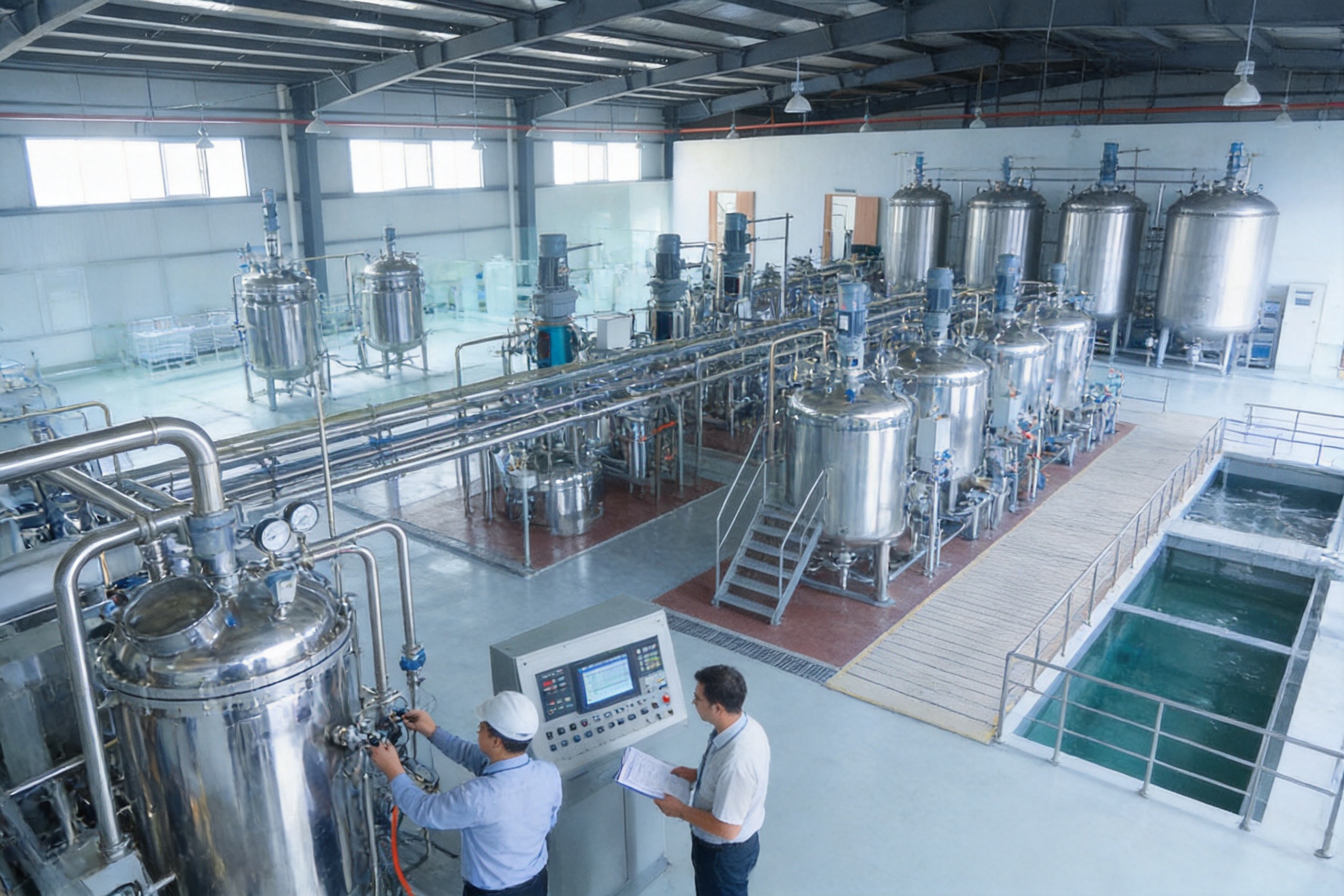
A dedicated Bt fermentation production line brings together the equipment and process stages required to manufacture microbial insecticides in a controlled and integrated manner. Instead of treating the fermenter as an isolated vessel, a complete production system coordinates raw-material preparation, sterilization, seed culture, production fermentation, discharge, filtration, and related utility and automation functions. This approach helps producers improve process consistency, reduce contamination risks, and develop a more efficient path toward commercial-scale output.
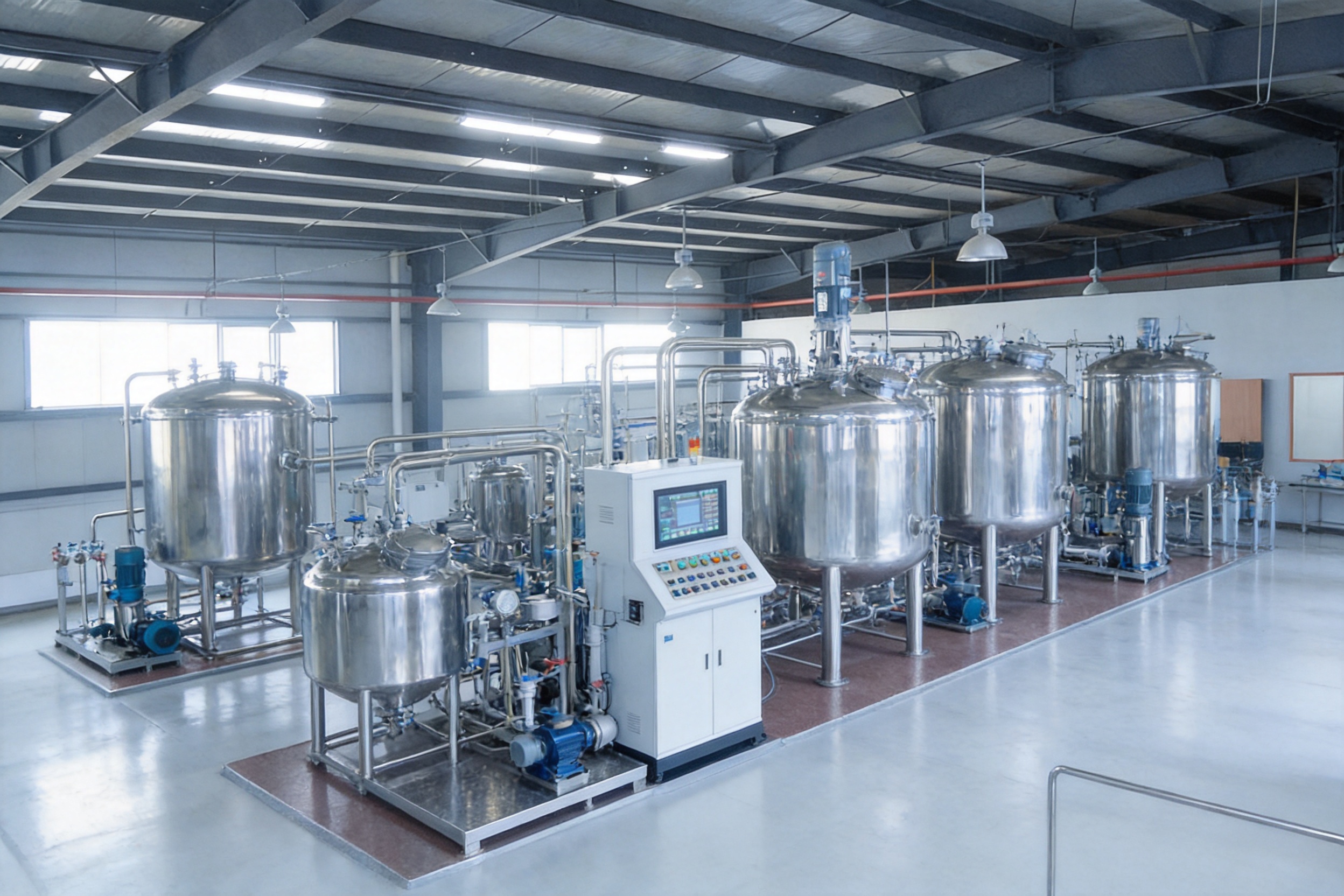
The Bt fermentation production line described in this article is designed as a complete biological manufacturing solution. It uses food-grade stainless-steel equipment, mirror-polished tanks and pipelines, high-temperature sterilization, aseptic process design, and automatic control options. The system can be customized for working capacities from 50 liters to 500,000 liters, making it suitable for research, pilot production, and large-scale microbial pesticide manufacturing.
Understanding the Role of Bt Fermentation Equipment
Bt production depends on the controlled cultivation of Bacillus thuringiensis under carefully managed conditions. The microorganism must be provided with an appropriate nutrient medium, sufficient oxygen transfer, effective mixing, controlled temperature, and a hygienic environment. Depending on the product and process route, the fermentation stage may be followed by separation, concentration, filtration, formulation, drying, or other downstream operations.
Fermentation performance is influenced by many factors. These include the quality and consistency of raw materials, the accuracy of medium preparation, the effectiveness of sterilization, inoculum quality, agitation, aeration, heat removal, foam control, and the timing of process transitions. Even a small weakness in one of these areas can affect cell growth, sporulation, product activity, or batch-to-batch uniformity.
For this reason, a production line should be engineered as a coordinated system. A high-quality fermenter alone cannot compensate for poor raw-material handling or inadequate sterilization of transfer lines. Similarly, a well-designed seed system will not achieve its full value if the production vessel lacks reliable temperature control or proper oxygen transfer. The complete line must support the biological process from beginning to end.
The equipment is intended for microbial pesticide manufacturing rather than general-purpose liquid mixing alone. Its design therefore emphasizes aseptic operation, cleanability, sterilizability, controlled transfer, and the ability to reproduce validated process parameters. These features are especially important when the manufacturer must protect the activity of the Bt strain and maintain consistent quality during extended industrial operation.
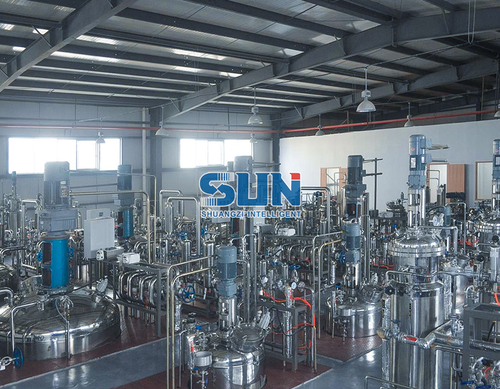
Bt Fermentation Production Line | Bacillus Thuringiensis Fermenter for Microbial Pesticide
Complete Process Configuration
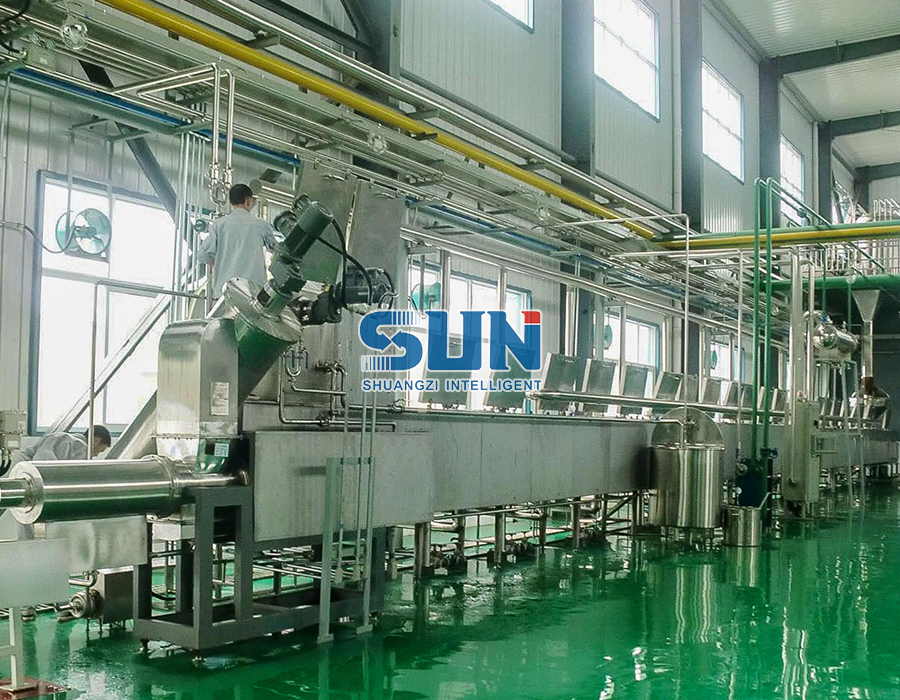
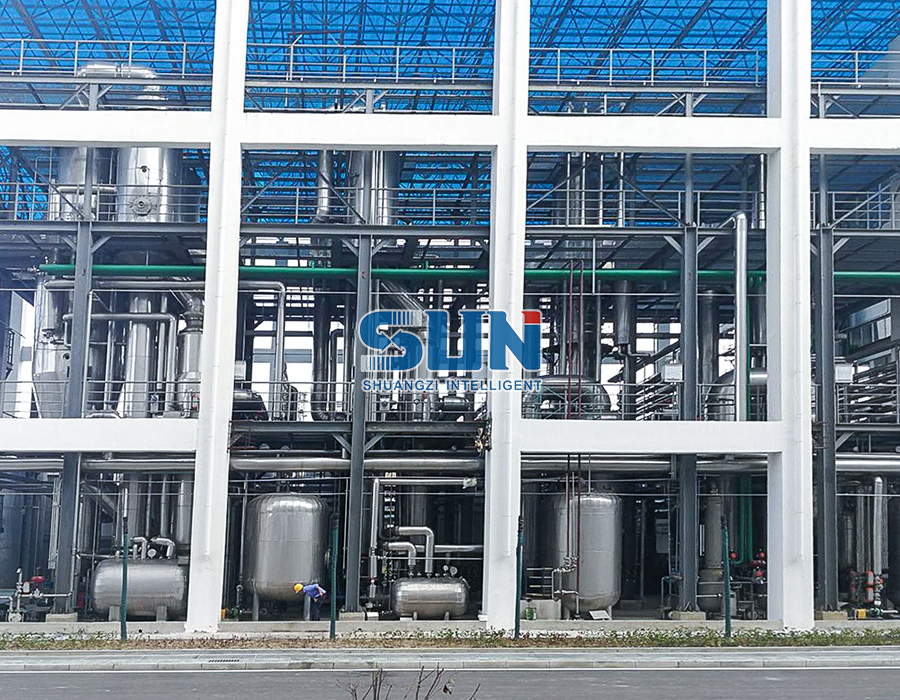
A typical Bt fermentation production line consists of several connected process sections. The exact arrangement depends on the strain, medium, production volume, downstream formulation, facility layout, and regulatory requirements. However, the main stages generally include raw-material preparation, medium preparation, sterilization, seed culture, production fermentation, discharge, filtration or separation, and cleaning or sterilization between batches.
Raw-Material Preparation
Raw-material preparation is the first step in establishing a stable fermentation process. Nutrient sources, water, mineral components, and process additives must be weighed, dissolved, mixed, and transferred in a controlled manner. Proper preparation helps ensure that each batch begins with a consistent medium composition.
The preparation section may include mixing tanks, holding tanks, transfer pumps, pipelines, valves, weighing systems, and process instrumentation. The equipment can be configured according to the physical characteristics of the medium. Some formulations require stronger agitation, while others need heating to improve dissolution. The system may also be designed to reduce the time that prepared medium remains exposed before sterilization.
Using stainless-steel vessels and hygienic transfer lines helps protect the medium from external contamination. Smooth internal surfaces make it easier to clean the equipment and reduce the possibility that residues will remain in dead spaces, weld areas, or valve connections.
Medium Sterilization
Sterilization is a fundamental part of microbial pesticide production. The medium, vessel, pipelines, air lines, and relevant accessories must be treated using a validated method appropriate to the material and process. High-temperature sterilization is a key feature of the described system because it can provide an effective barrier against unwanted microorganisms when correctly designed and operated.
Steam-in-place or other thermal sterilization arrangements may be incorporated into the production line. The precise cycle depends on vessel volume, equipment geometry, heat-transfer characteristics, and the sensitivity of the medium. The system should support monitoring of temperature, pressure, holding time, and other critical sterilization parameters.
Efficient sterilization requires more than heating the main tank. Transfer pipelines, sampling points, valves, filters, agitator seals, and air-supply connections must also be considered. A complete aseptic design helps reduce the possibility that a sterilized vessel will be recontaminated during transfer or inoculation.
Seed Culture System
The seed culture section develops an active and suitable inoculum for the production fermenter. A staged seed system is often used to move the culture from a smaller vessel to progressively larger vessels before production fermentation. This approach allows the microorganism to enter the main fermenter in a healthy and active state.
Seed tanks can be supplied in different sizes and may include agitation, temperature control, sterile air, sampling ports, pressure protection, and automated process monitoring. The appropriate number and volume of seed stages depend on the final production capacity and the growth characteristics of the selected strain.
Maintaining a consistent seed train is important for industrial productivity. An inoculum that is too weak, too old, or contaminated may cause a slow start or poor fermentation performance. A properly designed seed system helps operators establish repeatable inoculation conditions and reduce unnecessary variation between batches.
Production Fermentation
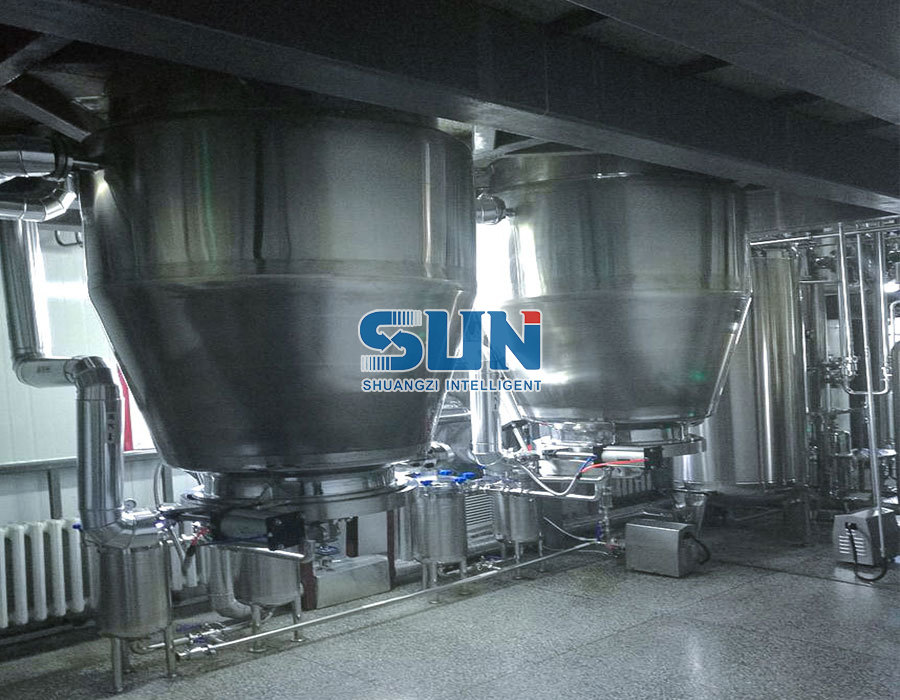
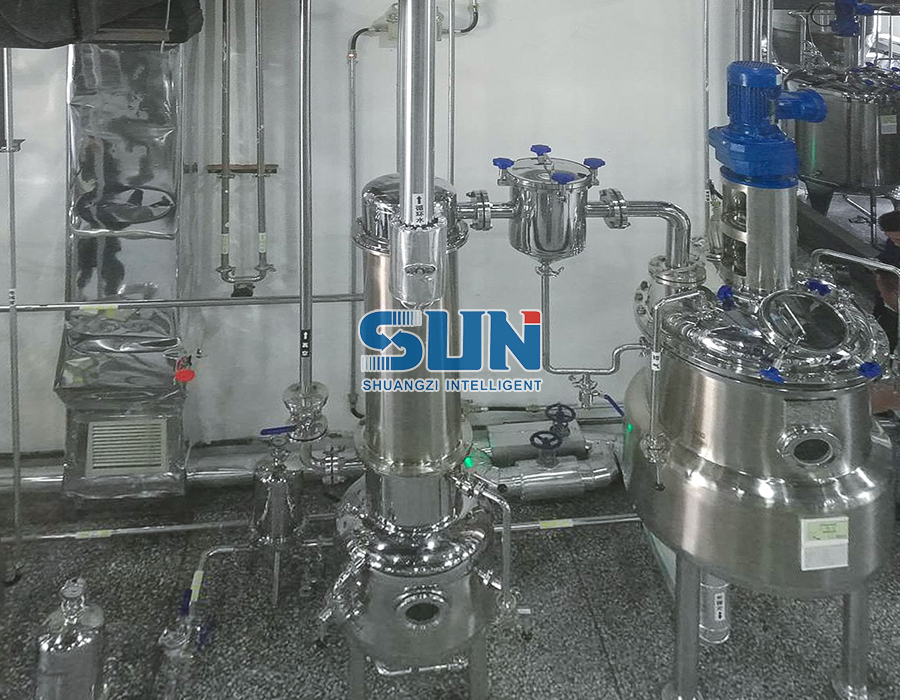
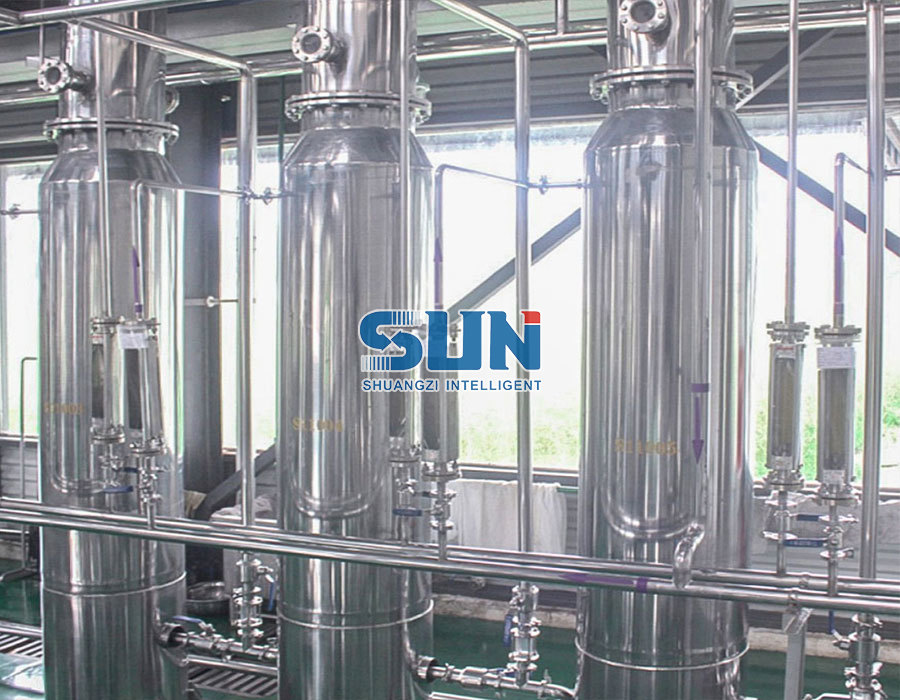
The production fermenter is the central vessel of the system. Its function is to provide a controlled environment in which the Bt culture can grow and develop according to the selected process recipe. The vessel is fitted with an agitator, mechanical sealing system, temperature-control arrangement, sterile air connections, sampling equipment, and process sensors as required.
The available capacity range of 50 liters to 500,000 liters enables the equipment to serve different stages of project development. Smaller vessels can be used for laboratory or pilot work, while larger vessels can support commercial production. A scalable equipment platform is valuable because it helps manufacturers transfer process knowledge between development and production units.
The fermenter agitator is specified as a two-stage, four-straight-blade turbine type. This configuration is intended to support mixing and fluid circulation within the vessel. Agitation must be selected in relation to the medium viscosity, oxygen demand, vessel geometry, and desired shear conditions. The motor and transmission system must also be sized for reliable operation over the expected process range.
A mechanical seal helps protect the shaft penetration area and supports hygienic operation. Seal selection is important because the agitator shaft is a moving connection between the drive assembly and the sterile process interior. The seal must be compatible with the process temperature, pressure, cleaning procedure, and operating time.
Fermentation Monitoring and Control
Although the exact instrument package is customized for each project, an industrial Bt fermentation system generally requires measurement and control of temperature, agitation speed, air supply, pressure, foam, and process time. Additional monitoring may include pH, dissolved oxygen, exhaust-gas characteristics, weight, liquid level, and feed flow.
Automatic control can help operators maintain defined process conditions and reduce manual intervention. A control system may manage heating and cooling, agitation, aeration, feed addition, sterilization cycles, alarms, and batch records. Automation also supports more consistent operation when multiple vessels or production shifts are involved.
Process automation should be matched to the manufacturing objectives. A pilot facility may require flexible recipe development and manual confirmation of key steps. A commercial plant may place greater emphasis on repeatability, electronic records, interlocks, centralized monitoring, and production scheduling. The system can be configured according to the required degree of automation and the customer's facility standards.
Filtration and Downstream Transfer
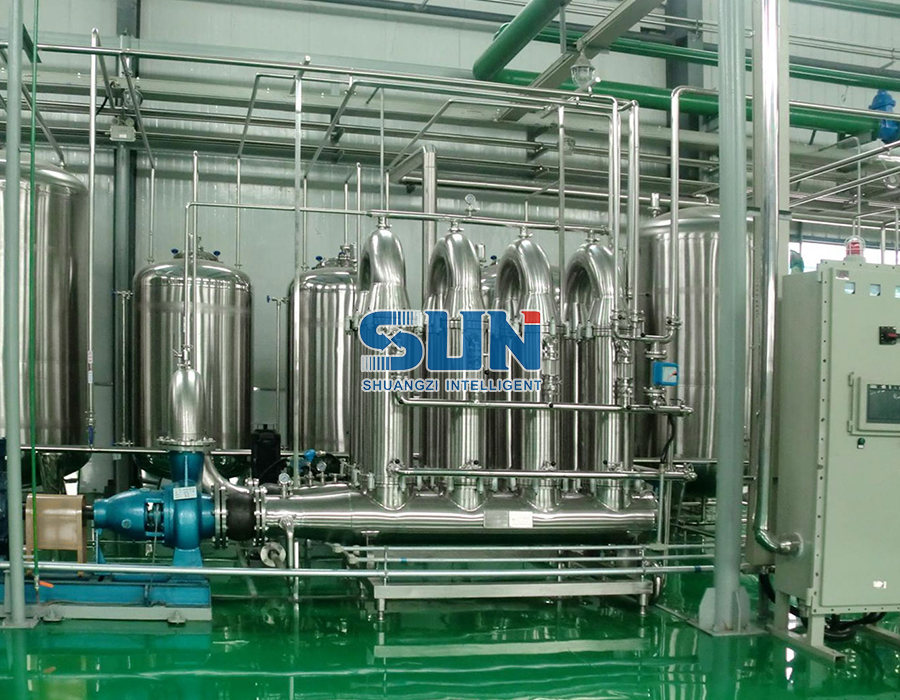
After fermentation, the culture may be transferred to filtration, separation, concentration, formulation, or drying equipment. The downstream route depends on the intended Bt product form and the manufacturer's process technology. A complete project can be designed to connect the fermenters with downstream equipment through hygienic pipelines and controlled transfer points.
Filtration systems may be used to remove coarse solids, separate process fractions, or prepare the fermentation broth for subsequent processing. The appropriate filtration method must be chosen according to particle size, viscosity, product activity, throughput, and the desired final formulation.
Transfer operations should be designed to protect the culture and reduce unnecessary exposure. Proper pipe routing, sanitary valves, suitable pumps, and accessible cleaning connections help support reliable movement of the product between process stages.
Materials and Hygienic Construction
The production line is manufactured using SUS304 or SUS316L stainless steel, depending on the process requirements and customer specifications. Both grades are widely used in hygienic process equipment, while SUS316L may be selected for applications requiring improved corrosion resistance or a higher level of compatibility with particular process conditions.
Material selection affects durability, cleanability, corrosion resistance, and long-term maintenance. The correct grade must be considered together with welding quality, surface finishing, gasket materials, valve design, and cleaning chemistry. A suitable material specification is therefore part of the overall hygienic design rather than an isolated purchasing decision.
Mirror polishing of tanks and pipelines creates a smooth internal surface that helps reduce product retention and supports cleaning. Smooth surfaces are particularly valuable in biological manufacturing because residues can provide locations for unwanted microbial growth. A properly finished surface also makes inspection easier and helps reduce the risk of buildup during repeated production cycles.
Hygienic design should minimize dead legs, unnecessary crevices, abrupt changes in pipe diameter, and difficult-to-clean connections. Welded joints should be finished appropriately, and process components should be arranged so that cleaning and sterilization media can contact the relevant surfaces effectively. Drainability is another important consideration because retained liquid can compromise sanitation and increase cleaning time.
Food-grade stainless-steel construction is a practical advantage for manufacturers seeking equipment that can be used in controlled biological production environments. It supports a clean manufacturing appearance, durable operation, and compatibility with common cleaning and sterilization procedures. The final specification should still be reviewed against the customer's quality system, local regulations, and intended product classification.
Advantages Compared with Less Integrated Systems
Many fermentation projects begin with a single vessel or a collection of separately purchased components. While this approach may appear less expensive at the beginning, it can create difficulties during installation and operation. Equipment from different suppliers may use incompatible connections, control systems, instrumentation standards, or cleaning procedures. The customer may then need to resolve engineering gaps before production can begin.
A complete Bt fermentation production line offers a more coordinated alternative. The main process stages are considered together, allowing the equipment layout, piping, controls, utilities, and transfer points to be designed as one system. This can reduce interface problems and make commissioning more efficient.
Improved Contamination Control
Contamination is one of the most serious risks in microbial fermentation. It can consume raw materials, interrupt production schedules, reduce product activity, and require extensive cleaning and investigation. Aseptic tank construction, high-temperature sterilization, hygienic pipelines, mechanical sealing, and controlled transfer all contribute to contamination prevention.
Compared with basic non-sterile mixing tanks, the dedicated system provides a stronger foundation for microbial production. The design is intended to protect the active strain from competing microorganisms while also reducing the risk of environmental contamination entering the process.
Better Process Reproducibility
Manual operation and disconnected equipment can make it difficult to reproduce the same process conditions in every batch. Differences in heating time, agitation, inoculation timing, transfer speed, or sterilization performance may affect the biological result.
An integrated automatic line helps standardize operating sequences. Recipes, setpoints, alarms, and process steps can be documented and repeated. This supports production consistency and gives technical teams a clearer basis for process optimization.
Scalable Production
The capacity range from 50 liters to 500,000 liters is a major strength for projects that expect to grow. A manufacturer can begin with a smaller system for development and validation, then add larger equipment as demand increases. This staged approach may reduce the risk of investing in a full commercial plant before the process and market have been adequately established.
Scale-up is not simply a matter of multiplying vessel volume. Oxygen transfer, mixing time, heat removal, sterilization, foam behavior, and inoculation ratio can change as the vessel becomes larger. Working with an equipment supplier that understands these engineering relationships can help the manufacturer identify scale-up requirements earlier.
One-Stop Project Coordination
The equipment supplier can provide process design, equipment design, manufacturing, matching purchase, installation, line debugging, and system integration. This one-stop approach is particularly useful for customers that do not have a large internal engineering department.
Coordinated project responsibility can simplify communication. Instead of managing separate contractors for tanks, pipelines, automation, installation, and commissioning, the customer can work with one project team responsible for integrating the major elements of the line.
Flexible Customization
Bt fermentation projects differ in strain, medium, target output, product form, facility conditions, and regulatory expectations. Standard equipment may not satisfy every requirement. The production line can therefore be customized in capacity, material, agitator configuration, voltage, motor selection, automation level, and supporting process sections.
The specified motor brand is SEW, while the voltage is made to order. This allows the drive system and electrical configuration to be aligned with the customer's site conditions. Final selection should consider local power standards, hazardous-area requirements where applicable, operating speed, maintenance support, and spare-parts availability.
Advanced Manufacturing and Engineering Strengths
The performance of a fermentation line depends not only on its design but also on how it is manufactured. High-quality process equipment requires accurate fabrication, controlled welding, careful finishing, inspection, and functional testing. These activities influence the equipment's cleanability, reliability, service life, and ability to support aseptic production.
Specialized Fabrication Equipment
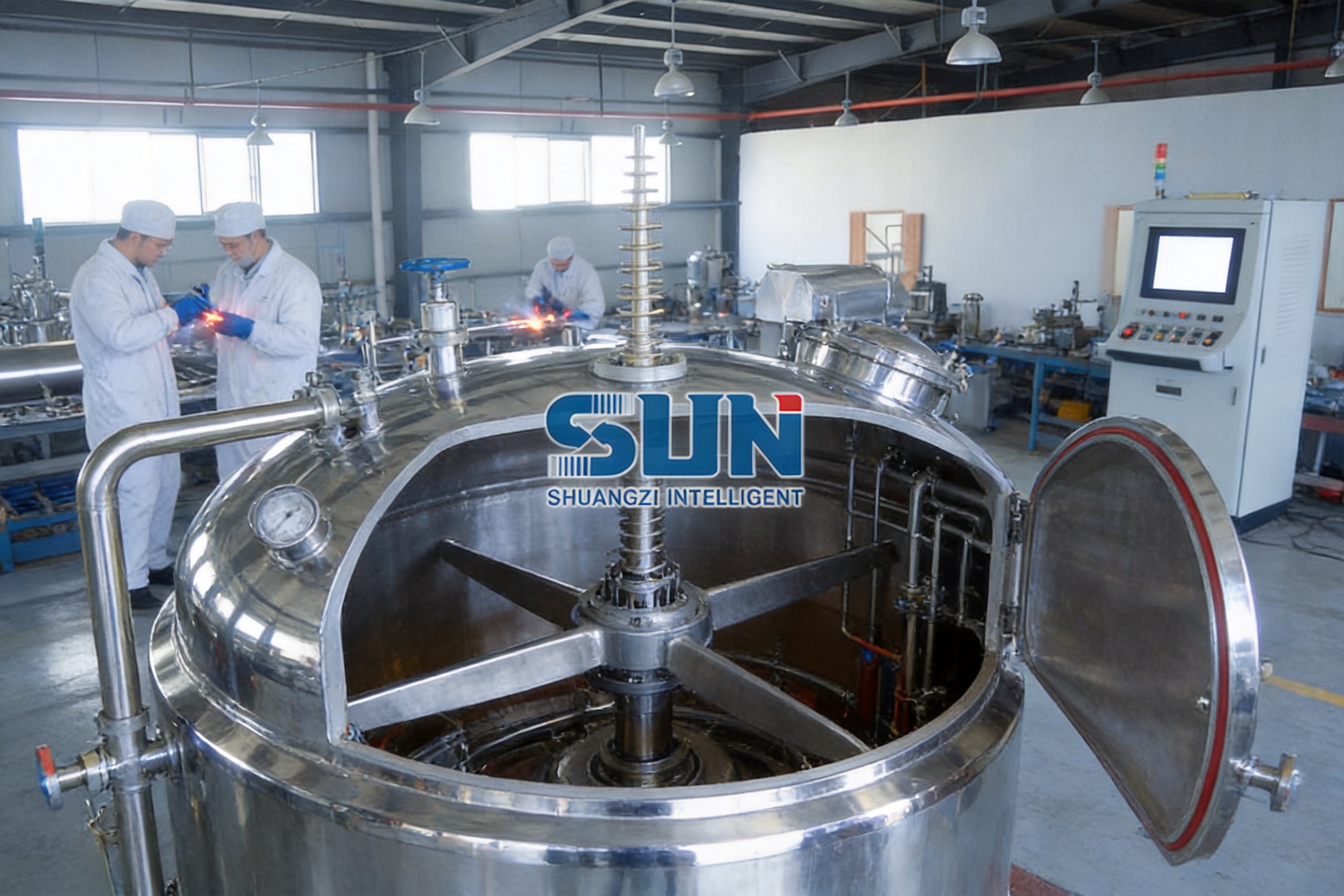
The manufacturer operates a production facility with a floor area of approximately 16,706 square meters and a structure area of approximately 17,800 square meters. Its manufacturing capabilities include advanced welding and finishing equipment such as plasma argon arc welding machines, plasma cutting machines, and CAM CNC machining centers.
Plasma argon arc welding is well suited to stainless-steel process equipment when controlled heat input, clean welds, and consistent joint quality are required. Welding quality is especially important for fermentation tanks because internal welds must support hygienic cleaning and sterilization. Poorly finished welds can create rough areas, crevices, or corrosion points that make sanitation more difficult.
Plasma cutting equipment can support accurate preparation of plates and components. Accurate cutting contributes to dimensional consistency and helps improve assembly quality. CAM CNC machining centers provide controlled machining for flanges, connection parts, support components, and other precision items.
Process and Automation Engineering
The manufacturer focuses on process technology and automation engineering design as well as equipment manufacture. This combination is important because a fermenter cannot be evaluated only as a mechanical vessel. Its performance is closely connected to fluid dynamics, sterilization, temperature control, instrumentation, utilities, and production procedures.
Process engineers can review the customer's raw materials, fermentation objectives, production capacity, and downstream requirements. Mechanical engineers can translate those requirements into tanks, agitators, piping, valves, and supports. Automation engineers can then develop a control concept that connects these functions into a usable production system.
When these disciplines work together, the final line is more likely to reflect the actual biological process. The result can be a better balance between equipment cost, process flexibility, cleanability, operating efficiency, and future expansion.
Research and Pilot Support
The company maintains a pilot production workshop and research and development platform designed around automation and GMP-related requirements. This capability is valuable for customers that need to test a Bt process before committing to larger-scale manufacturing.
Pilot work can help determine medium composition, agitation requirements, aeration strategy, sterilization cycles, inoculation ratios, fermentation duration, and downstream handling requirements. Data generated at pilot scale can then support equipment sizing and commercial process design.
A pilot platform also gives technical teams an opportunity to identify problems before they affect a large production vessel. For example, foam behavior, sampling procedures, transfer times, or filtration performance may appear manageable at laboratory scale but require substantial engineering at industrial scale.
Key Technical Specifications
The following table summarizes the main specifications provided for the Bt fermentation production line. Final values should be confirmed during technical discussions because the equipment is customized according to the project requirements.
| Specification | Provided Information | Project Consideration |
|---|---|---|
| Application | Bt fermentation and microbial pesticide manufacturing | Process sections may include preparation, sterilization, seed culture, fermentation, and filtration |
| Capacity range | 50 L to 500,000 L | Selected according to research, pilot, or commercial production needs |
| Construction material | SUS304 or SUS316L | Grade selected according to corrosion resistance and process requirements |
| Agitator | Two four-straight-blade turbine type | Final design depends on viscosity, oxygen transfer, and vessel geometry |
| Sealing | Mechanical sealing | Seal materials and configuration should match pressure, temperature, and cleaning conditions |
| Voltage | Made to order | Electrical configuration is adapted to the installation location |
| Motor brand | SEW | Drive selection should consider speed, torque, service conditions, and maintenance requirements |
| Surface finish | Mirror-polished tanks and pipelines | Smooth surfaces support hygienic cleaning and reduced residue retention |
| Sterilization | High-temperature sterilization | Cycle parameters should be validated for the specific vessel and process |
| Automation | Full-process automatic production line available | Control level can be matched to production and quality requirements |
Designing the Fermenter for Biological Performance
Biological fermentation is sensitive to the relationship between mixing, aeration, temperature, and nutrient availability. The fermenter must therefore provide more than adequate volume. It must create a controlled environment in which the culture can develop uniformly.
Agitation and Mixing
The two-stage turbine agitator supports circulation through the vessel and helps reduce concentration gradients. Effective mixing can distribute nutrients, heat, and dissolved gases throughout the liquid. The agitator must be designed together with baffles, vessel diameter, liquid height, and motor power.
Excessive agitation may increase shear or energy consumption, while insufficient agitation may produce uneven temperature, oxygen, or nutrient distribution. The correct operating range should be established through process development and scale-up testing.
Aeration and Oxygen Transfer
Bt cultivation may require controlled aeration to support microbial growth. Sterile air must be introduced through a suitable sparging and filtration arrangement. The air system should be sized according to the working volume, oxygen demand, vessel pressure, and target dissolved-oxygen conditions.
Oxygen transfer depends on more than airflow. Agitation speed, bubble dispersion, pressure, medium composition, temperature, and vessel geometry all influence performance. A properly engineered system allows these variables to be considered together rather than treating aeration as a separate utility.
Temperature Management
Fermentation generates heat, and biological activity can change when the temperature moves outside the desired range. The vessel should therefore include an effective heating and cooling arrangement. Depending on the vessel size and process requirements, temperature control may use a jacket, internal coil, external circulation loop, or a combination of these methods.
Accurate temperature measurement and responsive control help protect the culture and improve batch repeatability. Large-scale systems require special attention to heat-transfer area and circulation because temperature gradients can become more significant as volume increases.
Foam Management
Foam can interfere with gas transfer, cause product loss, contaminate filters, and trigger unplanned shutdowns. The process line may be equipped with foam monitoring and an appropriate antifoam addition arrangement. The selection of foam-control equipment should consider the medium, strain behavior, product requirements, and downstream processing.
Sampling and Process Observation
Sampling is necessary for monitoring cell growth, process development, contamination checks, and product evaluation. Sampling points should be designed for hygienic operation and should not create unnecessary contamination risks. They should also be located where samples are representative of the vessel contents.
Reliable sampling supports better process decisions. Operators can compare actual conditions with the process recipe and determine whether fermentation is progressing as expected. In a controlled production environment, sampling procedures should be documented and connected to the site's quality system.
Installation, Commissioning, and Turnkey Project Services
Equipment installation is an important stage in the success of a fermentation project. Even well-manufactured equipment can fail to perform as expected if pipelines are incorrectly routed, utilities are undersized, instruments are poorly positioned, or control logic is not integrated correctly.
The supplier can provide installation, line debugging, equipment system integration, and turnkey project services. These services may include equipment positioning, pipeline connection, electrical and instrument installation, control-system configuration, utility coordination, test operation, and operator training.
Commissioning should be carried out in stages. Mechanical completion verifies that the equipment has been installed according to drawings. Water testing can check for leaks, flow restrictions, pump operation, valve function, and drainage. Instrument checks confirm that sensors provide accurate signals. Control testing verifies alarms, interlocks, sequences, and emergency functions.
Cleaning and sterilization trials are also essential before biological production begins. These trials can help confirm that the vessel, pipelines, valves, and transfer connections can be cleaned and sterilized as intended. The customer can then establish operating procedures and maintenance schedules based on actual site performance.
Operator training is another important part of commissioning. Personnel should understand how to prepare the system, execute sterilization cycles, start and stop agitation, manage aeration, respond to alarms, collect samples, and perform cleaning. Proper training reduces operating errors and helps the facility achieve stable production more quickly.
Quality, Maintenance, and Long-Term Operation
A fermentation line represents a long-term production asset. Its value depends on dependable operation over many batches, not only on the successful completion of installation. Preventive maintenance, inspection, spare-parts planning, and operator discipline all contribute to service life and production stability.
Preventive Maintenance
Maintenance activities may include inspection of agitator shafts, mechanical seals, bearings, motors, gearboxes, valves, pumps, filters, sensors, and control cabinets. The frequency should be based on operating hours, process conditions, manufacturer recommendations, and the consequences of failure.
Mechanical seals deserve particular attention because they operate at a critical boundary between the drive system and the sterile process space. Seal leakage, abnormal vibration, or temperature increase should be investigated promptly. Agitator alignment and gearbox condition should also be monitored to prevent avoidable mechanical damage.
Cleaning and Sanitation
Cleaning procedures should remove medium residues, biological material, antifoam, and other deposits from the process-contact surfaces. The selection of cleaning agents, temperature, contact time, flow velocity, and rinse requirements depends on the specific process.
The internal mirror-polished finish supports cleaning by reducing roughness and product retention. However, surface finish alone does not guarantee sanitation. The complete cleaning cycle must be designed and verified for the vessel geometry, pipe length, valve arrangement, and process residue.
Spare Parts and Technical Support
A spare-parts plan should cover components that may affect production continuity. These may include mechanical-seal parts, gaskets, valve diaphragms, sensor components, filters, pump seals, drive components, and control-system items. Maintaining appropriate spares can reduce downtime when replacement is necessary.
Technical support is especially valuable when the line includes customized automation or several connected process sections. Documentation should include equipment drawings, piping and instrumentation information, operating instructions, maintenance procedures, recommended spare parts, and test records.
Applications in Microbial Pesticide Manufacturing
Bt fermentation equipment can support the manufacture of biological insecticide products for agricultural, horticultural, forestry, and other pest-management applications. The final product may be developed for different target insects and application methods, depending on the Bt strain, formulation technology, and local registration requirements.
The production line can also form part of a broader biological manufacturing facility. Related equipment may include liquid preparation systems, concentration units, filtration equipment, drying systems, formulation tanks, filling equipment, clean utilities, and waste-treatment systems.
Because biological products are sensitive to process conditions, production facilities must consider the complete manufacturing environment. Air quality, water quality, personnel flow, material flow, waste handling, cleaning, and environmental control may all influence product quality and regulatory compliance.
The equipment supplier's experience in plant extraction, biological fermentation, pharmaceutical engineering, natural food, energy conservation, and environmental protection provides a broader engineering foundation. Knowledge from these fields can be useful when a Bt project requires integrated utilities, downstream processing, waste treatment, or a multipurpose facility.
Why a Customized Solution Is Important
There is no universal Bt fermentation recipe or universal plant configuration. Each project must be assessed according to the selected strain, culture characteristics, medium, production target, product form, facility conditions, and local standards.
Capacity is one of the first customization decisions. A 50-liter vessel may be appropriate for laboratory development or small-scale testing, while a commercial production plant may require several large fermenters operating in sequence. Multiple-vessel arrangements can provide scheduling flexibility, improve seed-train management, and support continuous production planning.
Material selection is another consideration. SUS304 may be suitable for many general hygienic applications, while SUS316L may be preferred when corrosion resistance or process compatibility requirements are more demanding. The correct choice should be made after reviewing the medium, cleaning chemicals, sterilization temperature, and expected service life.
Automation requirements also vary. Some facilities need a straightforward control panel for local operation. Others require a centralized supervisory system, automated recipes, batch records, remote monitoring, user permissions, data storage, and connection to a broader manufacturing execution system. The equipment can be adapted to the desired control architecture.
Utility availability must be evaluated during design. Steam, chilled water, cooling water, compressed air, sterile air, electricity, drainage, and wastewater capacity all influence the final system. A suitable design identifies utility demand early and avoids costly modifications during installation.
Project Development from Concept to Production
A successful Bt fermentation project usually begins with a technical consultation. The customer and engineering team review the intended product, production volume, biological process, facility layout, quality requirements, and budget. This information forms the basis for a preliminary process flow and equipment list.
The next phase may include process design, equipment sizing, utility calculations, layout planning, automation definition, and risk review. For projects that are still in development, pilot testing can provide information needed to refine the design. For established processes, the focus may shift toward capacity, reliability, compliance, and integration with existing facilities.
After the design is confirmed, the equipment is fabricated and inspected. Manufacturing may include plate cutting, forming, welding, polishing, machining, assembly, pressure testing, surface inspection, and functional testing. Documentation is prepared according to the project agreement and customer requirements.
Factory testing can verify major mechanical and control functions before shipment. Site installation then connects the equipment to utilities and related process systems. Commissioning confirms that the line performs as intended under actual operating conditions.
The final stage is process start-up and optimization. Operators begin with water or media trials before introducing the production strain. The project team reviews data, adjusts control parameters, confirms cleaning and sterilization procedures, and establishes routine operating practices.
Commercial and Operational Value
The value of a Bt fermentation production line should be measured through more than purchase price. Important factors include production consistency, contamination control, energy use, labor requirements, cleaning time, maintenance needs, expansion potential, and technical support.
An automated and integrated system may reduce repetitive manual operations and limit the number of open transfers. This can improve labor efficiency and support more consistent execution of the production recipe. Better process control may also reduce the likelihood of failed batches and the associated cost of raw materials, utilities, labor, and disposal.
Hygienic construction can reduce cleaning challenges and support longer equipment life. Smooth stainless-steel surfaces, accessible connections, and appropriate drainability can make routine sanitation more predictable. A well-designed line may also shorten changeover time when several products or process conditions are handled at the same site.
Scalability protects the customer's investment. A system that can evolve from pilot operation to commercial production allows the manufacturer to build knowledge and capacity progressively. This is particularly important in the biological pesticide sector, where market demand, registration schedules, and process development may change over time.
Safety and Environmental Considerations
Fermentation facilities must be designed with attention to pressure, temperature, rotating equipment, steam, chemicals, electrical systems, and biological materials. Pressure-relief devices, suitable vessel ratings, emergency stops, guards, alarms, and operating procedures should be included as appropriate.
Steam and hot surfaces require thermal protection and clear operating controls. Agitators and pumps require mechanical guarding and lockout procedures. Cleaning chemicals must be handled according to their safety data and site procedures. The facility should also provide suitable drainage and ventilation.
Biological production generates liquid and solid waste that may contain residual nutrients, biomass, cleaning agents, or process additives. Waste treatment should be considered during the early design stage. The plant may require inactivation, neutralization, separation, or other treatment before discharge or disposal.
Energy and water efficiency are also relevant. Heat recovery, optimized sterilization cycles, efficient motors, appropriate insulation, reduced rinse volumes, and well-designed cleaning procedures can help reduce operating costs and environmental impact. The best solution depends on the site utilities and local environmental requirements.
Frequently Asked Questions
What is a Bt fermentation production line?
A Bt fermentation production line is an integrated group of vessels, pipelines, pumps, controls, sterilization equipment, seed tanks, production fermenters, and downstream process equipment used to manufacture Bacillus thuringiensis-based microbial pesticides.
What capacity range is available?
The provided capacity range is 50 liters to 500,000 liters. The final working volume and number of vessels depend on the customer's production target, seed-train strategy, process technology, and facility layout.
Can the system be used for pilot production?
Yes. Smaller vessels can support laboratory development and pilot production, while larger vessels can be used for commercial-scale manufacturing. A scalable equipment platform can help transfer process knowledge from development to production.
Which stainless-steel materials are available?
The listed materials are SUS304 and SUS316L. The appropriate grade should be selected after reviewing the fermentation medium, cleaning agents, sterilization conditions, corrosion requirements, and applicable quality standards.
Why are mirror-polished surfaces important?
Mirror-polished internal surfaces are smoother and generally easier to clean than rough or poorly finished surfaces. They can reduce product retention and help limit locations where residues or microorganisms may accumulate.
How does the system reduce contamination risk?
Contamination control is supported through aseptic design, hygienic stainless-steel construction, mirror-polished tanks and pipelines, high-temperature sterilization, mechanical sealing, controlled transfer, and suitable process monitoring. Actual performance depends on correct operation, validation, maintenance, and facility hygiene.
What type of agitator is included?
The listed agitator is a two-stage, four-straight-blade turbine type. The final agitator design and operating speed should be confirmed according to vessel dimensions, medium properties, oxygen-transfer needs, and the biological process.
Is the electrical voltage fixed?
No. The voltage is made to order so that the equipment can be adapted to the customer's local electrical standard and site requirements.
What motor brand is specified?
The provided specification lists SEW as the motor brand. Final motor and gearbox selection should consider torque, speed, load, operating schedule, service conditions, and maintenance support.
Can the line be fully automated?
Yes. The production line can be configured for full-process automatic operation. The automation level may include recipe control, sterilization sequencing, temperature management, agitation, aeration, alarms, data recording, and other functions according to the project scope.
Does the supplier provide installation services?
The company provides engineering, installation, line debugging, and equipment system integration services. The exact service scope should be defined in the technical and commercial agreement.
Can downstream filtration be included?
Yes. The described process includes filtration as part of the complete production line. The suitable filtration or separation equipment depends on the fermentation broth, target product form, throughput, and downstream formulation requirements.
What information is needed for a project quotation?
Useful information includes the Bt strain or process description, target annual and batch output, working volume, medium characteristics, desired product form, automation requirements, local power standard, available utilities, facility dimensions, cleaning and sterilization expectations, and applicable quality or regulatory standards.
Conclusion
A reliable Bt fermentation production line is the foundation of consistent microbial pesticide manufacturing. The system must protect strain activity, control contamination, provide effective mixing and aeration, support validated sterilization, and connect each stage of production into a practical workflow.
The equipment described here combines food-grade SUS304 or SUS316L stainless-steel construction, mirror-polished tanks and pipelines, high-temperature sterilization, mechanical sealing, turbine agitation, customizable electrical configurations, and capacity options from 50 liters to 500,000 liters. These features make it suitable for research, pilot development, and industrial Bt production.
Its main advantage over disconnected or basic fermentation equipment is integration. Raw-material preparation, seed culture, production fermentation, filtration, automation, installation, and commissioning can be addressed as parts of one coordinated project. This helps reduce interface risks and gives the customer a clearer route from process development to stable manufacturing.
The manufacturer's capabilities in process engineering, automation design, stainless-steel fabrication, equipment integration, pilot production, installation, and turnkey project delivery further strengthen the solution. With appropriate customization and validation, the production line can support manufacturers seeking efficient, hygienic, scalable, and repeatable production of Bt-based biological insecticides.
References
1. World Health Organization. Manual of Laboratory Methods for Testing Insecticides and Microbial Control Agents.
2. Food and Agriculture Organization of the United Nations. Guidance on Biological Pest Management and Microbial Pesticide Production.
3. United States Environmental Protection Agency. Technical Principles for the Registration and Evaluation of Microbial Pesticides.
4. Stanbury, P. F., Whitaker, A., and Hall, S. J. Principles of Fermentation Technology.
5. Doran, P. M. Bioprocess Engineering Principles.
6. International Society for Pharmaceutical Engineering. Guidance on Hygienic and Aseptic Process Equipment Design.
7. European Hygienic Engineering and Design Group. Hygienic Design Principles for Process Equipment.
8. International Organization for Standardization. General Principles for Quality Management and Hygienic Manufacturing Systems.