
 英语
英语 俄语
俄语Content
- 1 Product Positioning and Industrial Value
- 2 Process Flow of the Hemp Oil Extraction Production Line
- 3 Production Capacity Options
- 4 Key Competitive Advantages
- 5 Manufacturing Strength Behind the Production Line
- 6 Engineering Design and System Integration
- 7 Automation and Control Benefits
- 8 Quality Considerations for CBD Oil Production
- 9 Safety and Solvent Management
- 10 Applications and Market Fit
- 11 Comparison with Conventional Extraction Setups
- 12 Customization Options
- 13 Role of Filtration in Production Stability
- 14 Importance of Concentration and Evaporation
- 15 Winterization and Low-Temperature Processing
- 16 Decarboxylation and Molecular Distillation
- 17 Chromatography for Advanced Separation
- 18 Installation, Commissioning, and Project Delivery
- 19 Why Manufacturing Quality Matters
- 20 Economic Benefits for Producers
- 21 Compliance and Responsible Use
- 22 Q&A Section
- 22.1 What raw material is suitable for this production line?
- 22.2 What final products can the line produce?
- 22.3 Why is countercurrent extraction beneficial?
- 22.4 What is the purpose of winterization?
- 22.5 Why is molecular distillation included?
- 22.6 Can the production capacity be customized?
- 22.7 What makes this line different from buying separate machines?
- 22.8 Does the manufacturer provide turnkey services?
- 23 Conclusion
- 24 References
- 25 Product: Hemp Oil Extraction Production Line
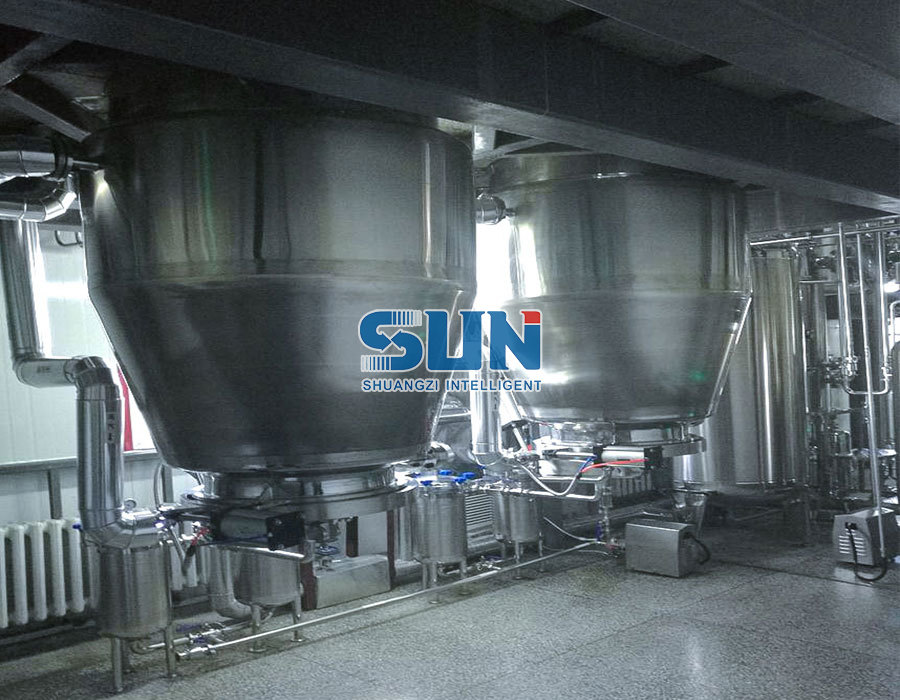
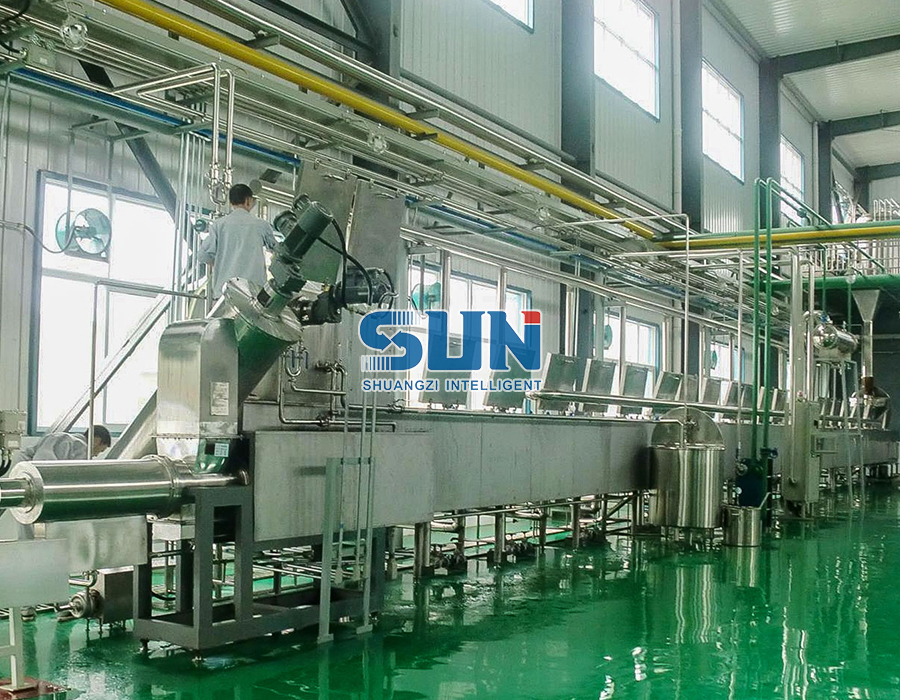
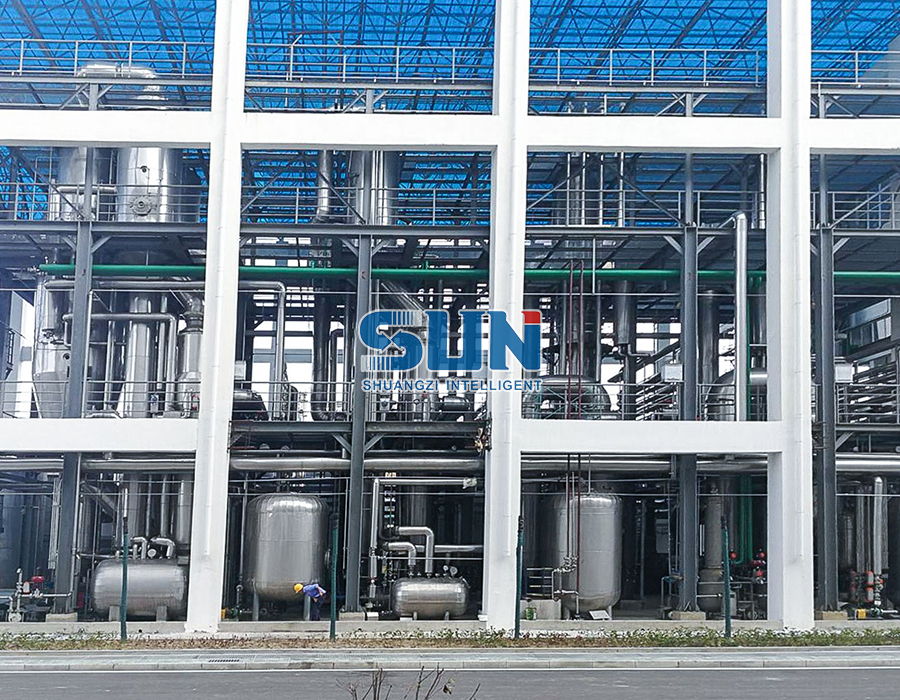
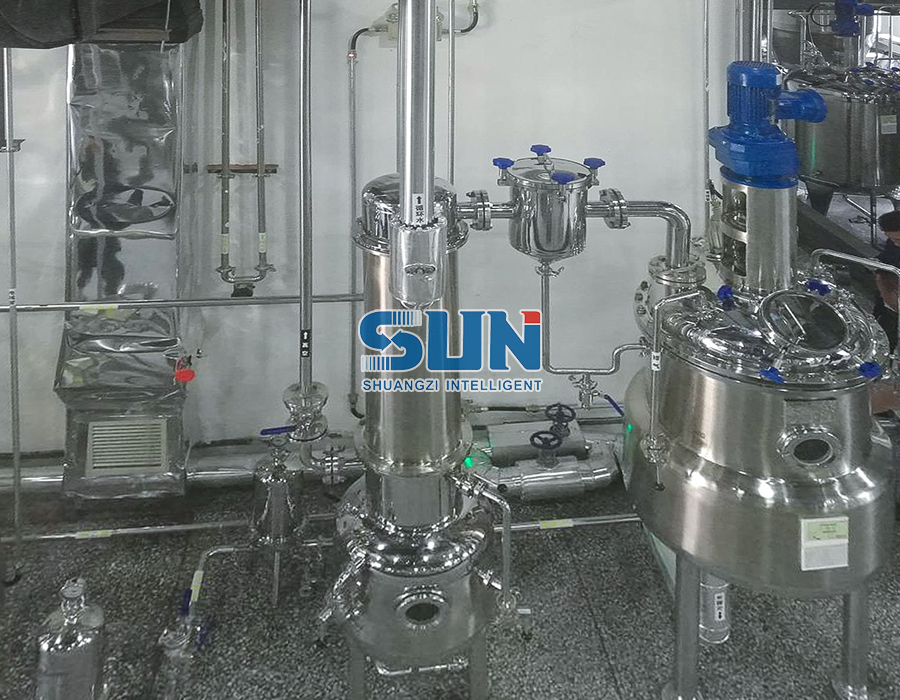
The hemp oil extraction production line is an integrated industrial processing solution designed to transform qualified industrial hemp biomass into CBD oil and, when required, further refined CBD powder. Built around extraction, filtration, concentration, winterization, decarboxylation, molecular distillation, chromatography, dissolution, and final filtration, the line provides a complete route from raw material preparation to packaged product. For manufacturers seeking higher efficiency, consistent quality, cleaner separation, and dependable large-scale operation, this production line offers a practical and engineered approach to modern cannabinoid processing.
Industrial hemp is a variety of cannabis cultivated for industrial use and is commonly distinguished by its low THC content, generally not more than 0.3% in the plant. Because this type of hemp is not intended for extracting toxic or controlled THC components, it is widely used as a raw material for producing non-intoxicating cannabinoids, especially CBD. CBD, also known as cannabidiol, is a naturally occurring compound extracted from hemp plants. In purified form, it can appear as a white to light yellow resin or crystal and is soluble in organic solvents such as ethanol, methanol, ether, benzene, and chloroform. In industrial practice, ethanol and other controlled solvents are commonly selected based on product objectives, safety requirements, and regulatory expectations.
This hemp oil extraction production line is created for customers who need more than a single machine. It is a process system: raw hemp biomass is crushed, extracted, filtered, concentrated, purified, winterized, decarboxylated, distilled, separated, redissolved, filtered again, and finally packaged as CBD oil or intermediate material for further refinement. The entire configuration is suitable for turnkey projects, pilot-to-industrial scale expansion, and process integration in plant extraction, pharmaceutical engineering, natural food ingredient processing, and related biotechnology fields.
Hemp Oil Extraction Production Line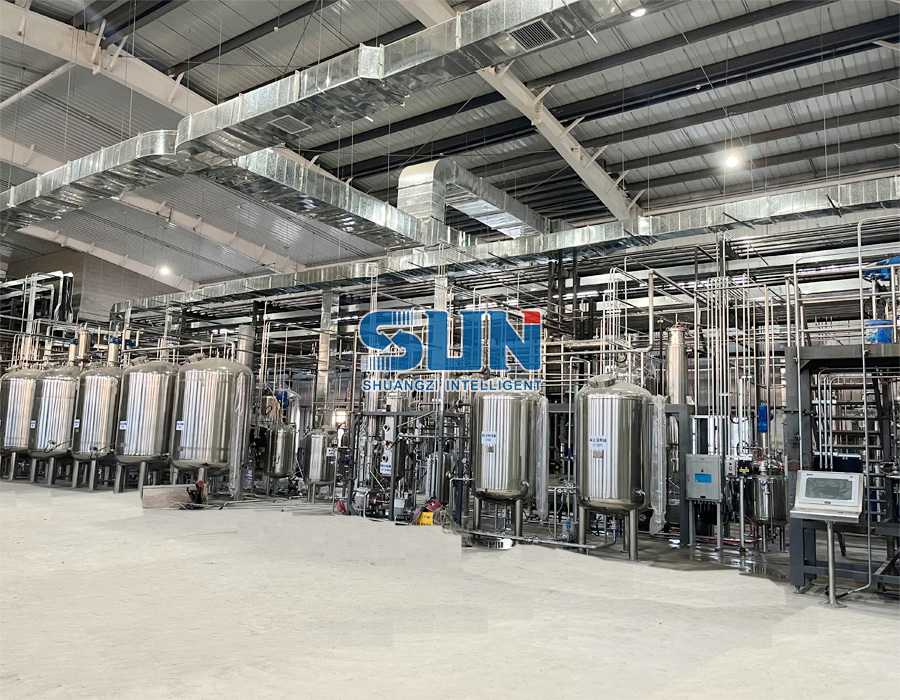
Product Positioning and Industrial Value
The core value of the hemp oil extraction production line lies in its ability to combine process reliability with high operational efficiency. Many extraction operations struggle with inconsistent raw material quality, excessive solvent consumption, difficult impurity removal, unstable concentration conditions, product discoloration, high labor dependence, and insufficient process control. A well-designed production line addresses these challenges through systematic engineering rather than isolated equipment selection.
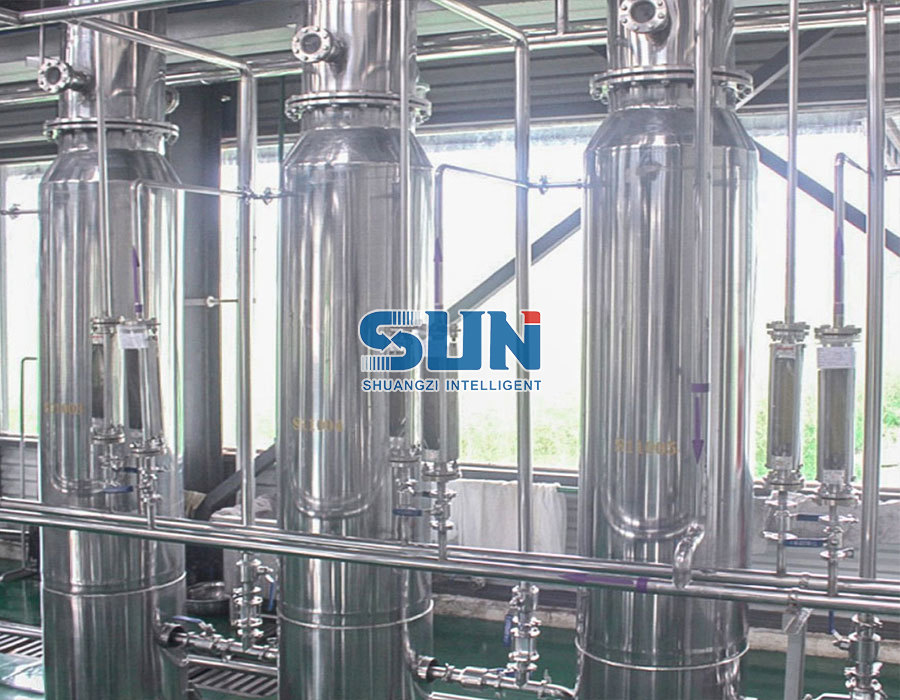
Compared with small extraction skids or fragmented processing workshops, this complete production line is designed to improve the entire production chain. It begins with raw material handling and crushing to create a suitable particle size for efficient mass transfer. Extraction is then performed using a countercurrent extraction method and solvent extraction method, allowing contact between hemp biomass and solvent to be optimized. Countercurrent operation supports stronger extraction efficiency because fresh solvent contacts material that has already been partially extracted, while solvent enriched with target components continues to contact fresher biomass. This improves the driving force of extraction and can reduce unnecessary solvent waste.
The line also supports extraction under controlled abnormal-temperature conditions, which is important for cannabinoid processing. Temperature has a direct effect on solubility, extraction speed, wax dissolution, pigment transfer, and stability of sensitive compounds. By managing the extraction environment rather than relying on uncontrolled heating, the system can help protect product quality while maintaining process throughput. This is especially important when the target is a cleaner CBD oil that requires fewer corrective steps later.
For investors, the production line represents a complete industrial solution rather than a collection of individual tanks and filters. It can be configured according to capacity requirements from 600 L/h to 2000 L/h, allowing customers to select the processing scale that matches raw material supply, market demand, production planning, and future expansion. For manufacturers that want to enter CBD processing quickly and responsibly, a turnkey line reduces design complexity and provides a clearer path from biomass input to finished oil or powder output.
Process Flow of the Hemp Oil Extraction Production Line
The typical production workflow is as follows: raw material, crushing, extraction, filtration, concentration, impurity removal and filtration, filtered liquid concentration, winterization, concentration, decarboxylation, molecular distillation, chromatography column separation, concentration, dissolution, filtration, CBD oil, and packaging. Each stage has a defined purpose, and the quality of the final product depends on how well these stages are integrated.
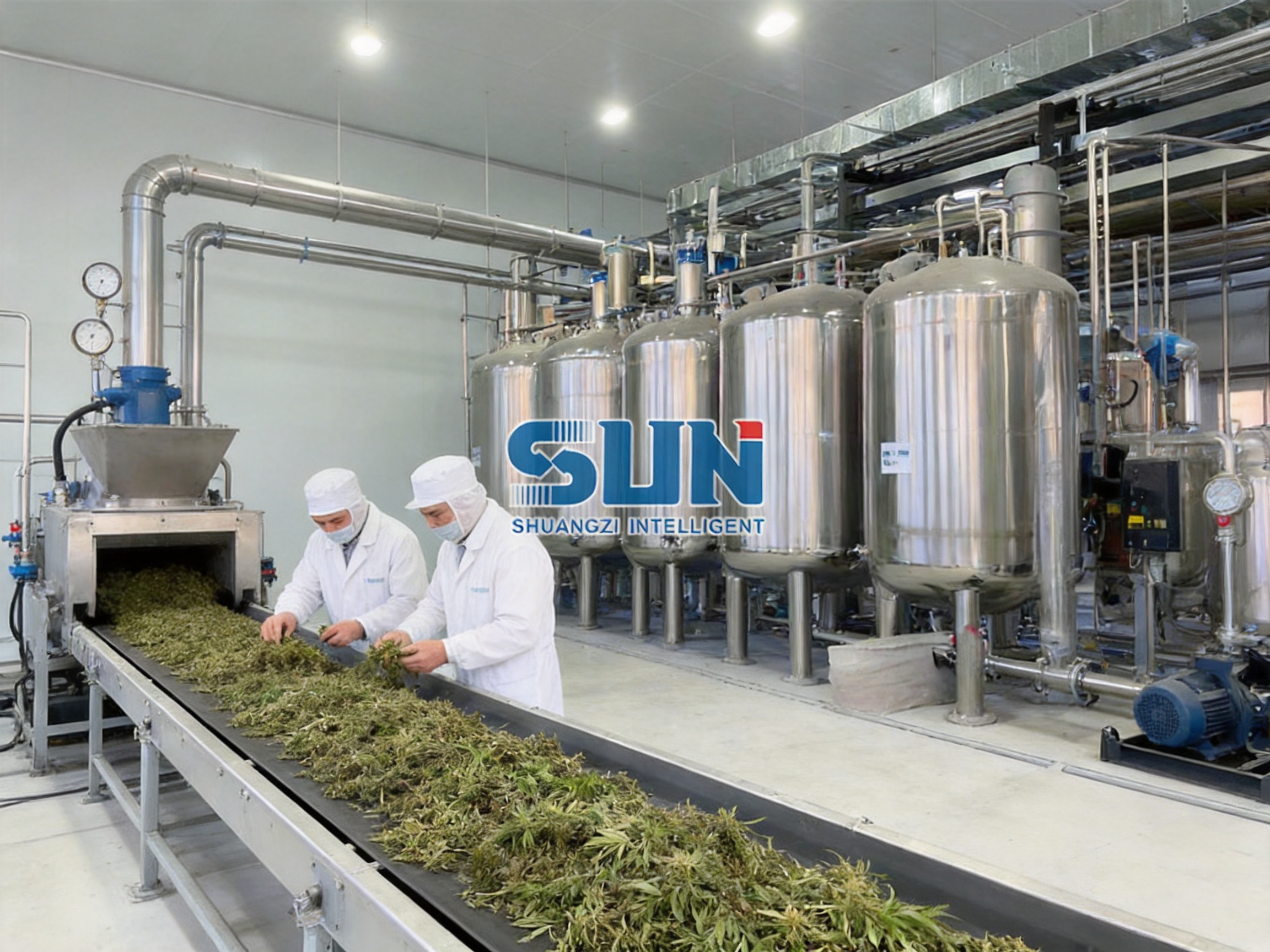
Raw material preparation is the foundation of the entire process. Industrial hemp biomass should be inspected, dried to suitable moisture levels, and prepared for crushing. Stable moisture and particle size support more predictable extraction performance. If biomass is too wet, solvent balance and extraction efficiency may be affected. If particles are too large, the internal cannabinoids are not fully contacted by the solvent. If particles are too fine, filtration may become difficult and cause pressure drop, slow clarification, or blockage. Therefore, the crushing step is not merely mechanical size reduction; it is a controlled preparation stage for downstream efficiency.
Extraction is the central operation. The line adopts solvent extraction with countercurrent characteristics, helping to draw CBD and related compounds from the plant matrix into the solvent phase. Proper extraction balances yield, selectivity, solvent consumption, temperature, and residence time. A poorly designed extraction system may remove too many pigments, waxes, and unwanted components, increasing the burden on later purification stages. A well-engineered extraction system aims to obtain high recovery of useful compounds while avoiding unnecessary impurity load.
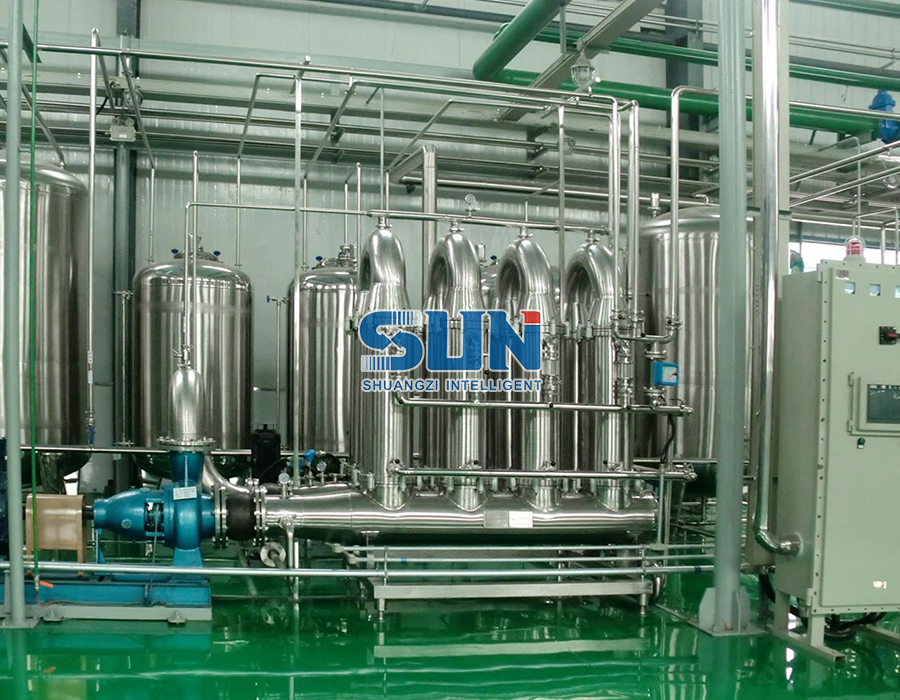
Filtration follows extraction to remove solid residues from the extract liquid. This step protects evaporators, concentration units, pumps, valves, and purification equipment. Effective filtration also improves product clarity and reduces downtime. The production line includes impurity removal and repeated filtration stages, allowing the process to progressively improve the quality of the liquid phase before winterization and distillation.
Concentration is used to remove solvent and enrich the extract. In hemp processing, solvent recovery is not only a cost issue but also a safety, environmental, and product-quality issue. Efficient concentration equipment helps reduce solvent content while maintaining controlled conditions. Vacuum concentration can lower boiling temperature, which is useful for heat-sensitive natural compounds. The recovered solvent can be managed for reuse according to plant design, solvent quality requirements, and applicable regulations.
Winterization is a key step for removing waxes, lipids, and other components that can reduce transparency, taste quality, processing performance, or product stability. During winterization, the extract is dissolved in a suitable solvent and held under low-temperature conditions so that waxy components precipitate. These impurities are then removed by filtration. A good winterization stage contributes to a cleaner oil and improves the performance of downstream molecular distillation and chromatography.
Decarboxylation converts acidic cannabinoid forms into neutral cannabinoid forms through controlled heating. In hemp, cannabinoids naturally exist partly in acidic forms. Decarboxylation must be carefully controlled because excessive heat or oxygen exposure can degrade sensitive compounds and affect color, odor, and potency. An engineered production line provides more reliable control than manual batch heating.
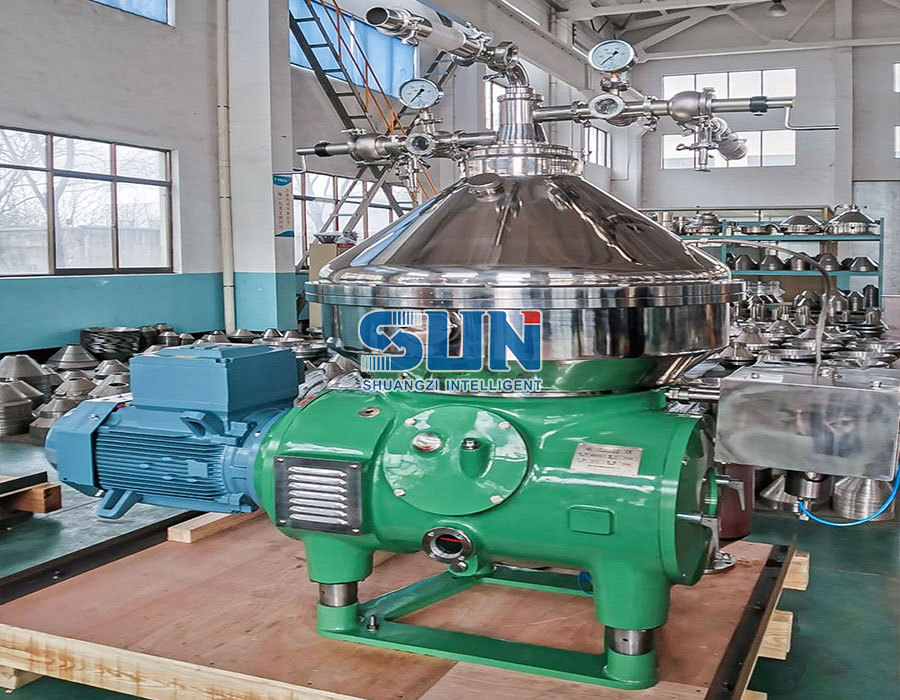
Molecular distillation is used for deeper purification and separation based on volatility under high vacuum and controlled temperature. It helps concentrate cannabinoids and reduce certain low-boiling or high-boiling impurities. For CBD oil production, molecular distillation is often a critical step toward improving purity, stability, and appearance.
Chromatography column separation provides an additional refinement stage when higher purity or specific cannabinoid separation is required. It can be used to further reduce undesired components and produce a refined CBD-rich fraction. After chromatography, the product may be concentrated again, dissolved, filtered, and prepared as CBD oil. Depending on customer requirements, the process can also be expanded toward CBD powder production through additional crystallization or drying-related steps.
Production Capacity Options
Item |
Model 600 |
Model 800 |
Model 1000 |
Model 1200 |
Model 1500 |
Model 2000 |
Operational Capacity |
600 L/h |
800 L/h |
1000 L/h |
1200 L/h |
1500 L/h |
2000 L/h |
These capacity options make the line adaptable for different business plans. A 600 L/h configuration may be suitable for a producer entering industrial production or upgrading from pilot equipment. A 1000 L/h or 1200 L/h system can support more stable commercial operation with increased raw material throughput. A 1500 L/h or 2000 L/h line is appropriate for larger processing centers where biomass supply, solvent recovery, labor arrangement, and packaging logistics are organized at an industrial scale.
Capacity selection should not be based only on the extraction unit. The entire system must be balanced. Crushing capacity, extraction residence time, filtration area, evaporator capability, winterization volume, cooling load, decarboxylation capacity, molecular distillation throughput, chromatography requirements, solvent storage, and packaging speed must be considered together. One of the major advantages of a turnkey production line is that these modules can be designed as a coordinated system, reducing the risk of bottlenecks.
Key Competitive Advantages
Higher Extraction Efficiency Through Countercurrent Design
The countercurrent extraction concept is one of the important advantages of this production line. In simple immersion extraction, fresh solvent and biomass are mixed and then separated, but the extraction driving force decreases as the solvent becomes saturated. In countercurrent extraction, the contact between solvent and raw material is arranged to maintain a stronger concentration difference through the process. This supports improved extraction efficiency and can help reduce solvent consumption per unit of recovered CBD.
For competitors that rely on basic batch extraction tanks, production may require longer extraction time, repeated solvent washes, higher solvent inventory, and more manual intervention. A countercurrent-based system can offer a more industrial, continuous-thinking approach, even when parts of the operation are performed in batches. The result is better mass transfer, more consistent extract concentration, and easier scale-up.
Controlled Temperature for Product Protection
CBD processing requires attention to temperature. Excessive heat can darken extracts, affect volatile components, accelerate degradation, or increase the burden on purification. The production line is designed for extraction under controlled abnormal-temperature conditions, which supports both extraction efficiency and product protection. This is a meaningful advantage over poorly controlled systems where operators rely on rough heating, open tanks, or inconsistent cooling.
Controlled temperature also improves repeatability. In industrial production, repeatability is as valuable as peak yield. A process that performs well once but cannot be repeated is not suitable for commercial manufacturing. With engineered temperature control, customers can build standard operating procedures and quality records that support stable operation.
Complete Turnkey Delivery
The production line can be supplied as a turnkey project covering biomass-to-CBD oil processing and even further processing toward CBD powder. Turnkey delivery is a strong advantage because hemp extraction requires multiple technical disciplines: plant extraction engineering, solvent handling, thermal separation, filtration, low-temperature operation, vacuum technology, automation, safety design, process piping, installation, commissioning, and operator training.
When customers purchase isolated equipment from several suppliers, compatibility problems often appear. Pump capacities may not match filtration resistance. Evaporators may not match extraction volume. Cooling systems may not support winterization load. Control systems may be fragmented. Documentation may be incomplete. A turnkey project reduces these risks because the production line is engineered as one process chain.
Flexible Final Product Path
The line can support production of CBD oil and can be extended toward CBD powder depending on the process configuration. This flexibility is important because market demand changes. Some customers sell crude extract, some sell winterized oil, some require distillate, and some require higher-purity CBD material. A modular process route allows customers to start with one product strategy and expand as market opportunities develop.
Integrated Filtration and Impurity Removal
Hemp extracts contain plant solids, waxes, chlorophyll, pigments, proteins, gums, and other impurities. If these are not removed in a controlled way, product color, stability, and downstream equipment performance may suffer. The production line includes filtration after extraction, impurity removal and filtration, winterization filtration, and final filtration. This layered impurity control is superior to a simple extract-and-evaporate process.
Improved Operator Convenience
The production line is designed for convenient use and easier operation. Industrial customers need practical equipment that supports daily production. Convenient operation includes rational layout, accessible filters, suitable valves, automation interfaces, cleanable pipelines, visible instrumentation, and logical process sequencing. Reducing operator difficulty improves productivity and helps reduce human error.
Manufacturing Strength Behind the Production Line
The production line is manufactured by an enterprise specializing in biology and medical equipment, with expertise in EPC and EPCM services, process technology, automation engineering design, equipment manufacturing, matching purchase, installation, and equipment system integration. The company focuses on plant extraction, biological fermentation, pharmaceutical engineering, natural food, energy conservation, and environmental protection. This background is important because hemp oil extraction is not simply a mechanical operation; it is a regulated, chemistry-related, biologically derived product process requiring equipment design discipline.
Founded in 2007, the company has accumulated long-term experience in extraction, evaporation and concentration, separation, crystallization, filtration, drying, fermentation systems, and pressure containers. Its production base covers a floor area of 16,706 square meters and a structural area of 17,800 square meters. This manufacturing scale allows it to handle large equipment fabrication, integrated skid assembly, quality inspection, and project coordination.
Advanced manufacturing equipment supports product quality. The company has introduced plasma argon arc welding machines, plasma cutting machines, CAM CNC machining centers, and other advanced processing tools. These capabilities are essential for stainless steel process equipment. Good welding quality affects cleanability, pressure resistance, corrosion resistance, and long-term reliability. Accurate cutting and CNC machining improve dimensional consistency and make assembly more precise.
In extraction and pharmaceutical-related equipment, manufacturing precision matters. Uneven welds, dead corners, rough inner surfaces, poorly aligned flanges, and weak sealing structures can cause cleaning difficulty, contamination risk, leakage, or unstable operation. By using advanced welding and finishing processes, the manufacturer can improve the hygienic quality and mechanical reliability of tanks, pipelines, filters, evaporators, and other process modules.
The company also maintains pilot production workshop and research-and-development platform capabilities aligned with automation and GMP-oriented process needs. This is valuable for customers developing new processes or scaling from laboratory to production. Pilot capability allows process assumptions to be tested before large-scale investment. It also helps customers refine extraction conditions, concentration parameters, winterization procedures, and downstream purification routes.
Engineering Design and System Integration
System integration is one of the most important strengths of the hemp oil extraction production line. A complete CBD processing facility requires more than extraction equipment. It needs solvent storage, feeding systems, extraction vessels, pumps, filters, evaporators, condensers, vacuum systems, low-temperature systems, decarboxylation units, molecular distillation equipment, chromatography systems, control cabinets, piping, valves, platforms, cleaning arrangements, safety devices, and packaging connections.
Without strong engineering design, these parts may operate separately but fail as a production line. Integrated engineering considers material flow, solvent flow, heat flow, pressure balance, maintenance access, cleaning routes, electrical control, automation logic, safety interlocks, and expansion space. This helps the customer receive a plant that is not only technically capable but also practical to run.
The company can provide process design, equipment design, installation, line debugging, and turnkey project services. For overseas or remote customers, this reduces the burden of coordinating multiple vendors. For new investors, it provides a structured project route from conceptual capacity planning to operating production. For experienced manufacturers, it provides customization based on process targets and existing facility conditions.
Automation and Control Benefits
Automation is increasingly important in hemp extraction because product consistency depends on repeatable processing conditions. Flow rate, temperature, extraction time, solvent ratio, vacuum level, concentration endpoint, cooling time, heating curve, and filtration conditions all influence final quality. Manual operation can be effective at small scale, but industrial production needs more reliable control.
An integrated hemp oil extraction production line can be configured with automation engineering to help monitor and manage key parameters. Automation may include temperature control, pump control, solvent transfer control, vacuum monitoring, heating and cooling sequencing, alarm functions, and data recording. The specific configuration can be matched to customer requirements and budget.
Compared with competitors that provide basic equipment without automation integration, an automation-supported line can reduce dependence on operator experience. It also helps production managers standardize batches, train staff more quickly, and identify process deviations earlier. In a market where product quality and documentation matter, process control becomes a competitive advantage.
Quality Considerations for CBD Oil Production
High-quality CBD oil is influenced by raw material, process design, equipment cleanliness, solvent management, temperature control, impurity removal, and final filtration. The production line addresses these areas through an organized processing route. Crushing improves extraction preparation. Countercurrent solvent extraction improves recovery. Filtration removes insoluble residues. Concentration recovers solvent and enriches extract. Winterization removes waxes. Decarboxylation converts acidic forms. Molecular distillation refines the oil. Chromatography supports further separation. Final filtration improves cleanliness before packaging.
This step-by-step quality strategy is more dependable than relying on one purification stage to solve all problems. For example, if extraction pulls too many impurities, winterization and distillation become more difficult. If filtration is poor, concentration equipment may foul. If decarboxylation is uncontrolled, distillate quality may decline. If solvent removal is incomplete, product compliance and safety may be affected. The production line’s value comes from its balanced sequence.
Customers should also recognize that industrial hemp quality strongly affects final product results. Biomass should be sourced according to applicable legal and quality standards. THC level, CBD content, pesticide residues, heavy metals, microbial load, drying conditions, storage conditions, and harvest timing all influence processing performance. The equipment line provides the technical platform, while raw material control and laboratory testing complete the quality system.
Safety and Solvent Management
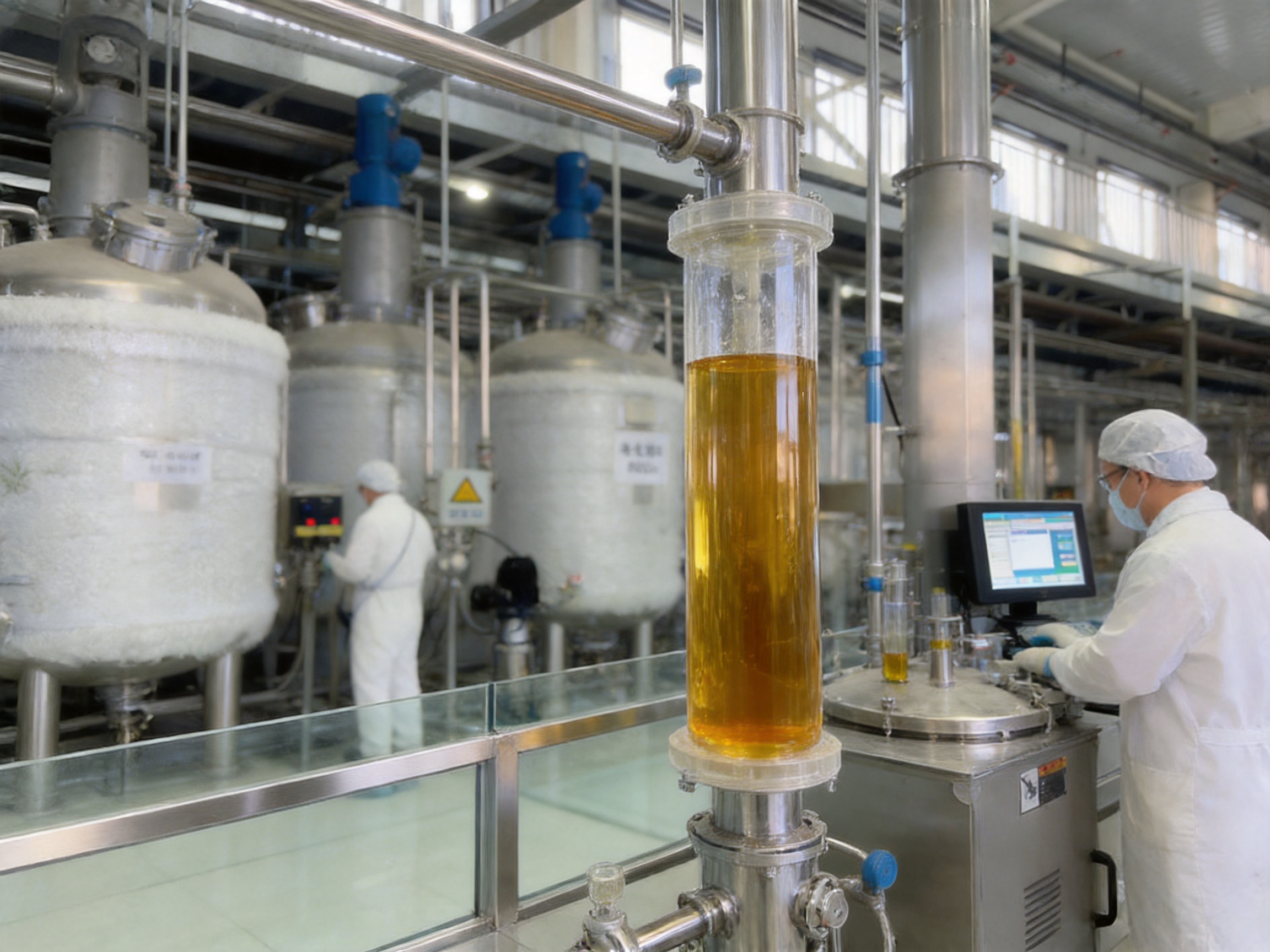
Solvent extraction requires careful attention to safety. Organic solvents can be flammable, volatile, and subject to strict storage and handling requirements. A professional extraction production line must therefore consider closed transfer, appropriate sealing, ventilation planning, grounding, explosion-proof electrical design where required, solvent recovery, leak prevention, and safe operating procedures. The specific safety configuration should follow local regulations and facility classification requirements.
Efficient concentration and solvent recovery help reduce operating cost and environmental impact. Solvent is one of the major consumables in extraction processing, and uncontrolled solvent loss can quickly increase production cost. By integrating evaporation and concentration equipment into the line, solvent can be separated from extract and recovered for further management. This supports more economical operation and helps reduce emissions.
Compared with low-cost systems that rely on open handling and manual solvent transfer, an engineered production line is better suited for industrial responsibility. It helps customers establish safer workflows, reduce operator exposure, and maintain a more professional production environment.
Applications and Market Fit
The hemp oil extraction production line is suitable for industrial hemp processors, plant extraction companies, pharmaceutical engineering users, natural ingredient manufacturers, food-related ingredient producers where legally permitted, and companies developing CBD oil or CBD intermediate products. It can serve new facilities as well as existing extraction plants seeking an upgrade in capacity, automation, or product consistency.
Because the company has experience in plant extraction, biological fermentation, pharmaceutical engineering, and natural food process equipment, the line can be positioned for customers who require higher manufacturing standards than ordinary botanical extraction workshops. The system is especially suitable for users who want technical support beyond equipment sales, including engineering, process design, installation, commissioning, and turnkey execution.
Potential product outputs include crude hemp extract, winterized oil, decarboxylated oil, distilled CBD-rich oil, chromatography-refined fractions, and further processed CBD material depending on the complete configuration. The final product route should be selected based on target market, local regulations, purity requirements, testing standards, and customer application.
Comparison with Conventional Extraction Setups
Many conventional hemp extraction setups are assembled from general-purpose tanks, pumps, filters, and evaporators. While such systems may work at small scale, they often lack coordinated design. Operators may need to move liquid manually, monitor temperatures by experience, clean equipment frequently because of fouling, or repeat filtration because earlier clarification was insufficient. These problems reduce productivity and increase operating uncertainty.
The hemp oil extraction production line offers a more complete industrial solution. It uses an organized workflow from crushing to packaging, incorporates extraction and purification logic, and can be delivered as a turnkey project. Its capacity options support commercial production, and its design is backed by manufacturing experience in extraction, concentration, filtration, separation, crystallization, and drying equipment.
Another important difference is scalability. A small batch extractor may appear economical at first, but when demand increases, producers may need to add multiple units, increase labor, and deal with inconsistent batches. A properly engineered line provides a clearer expansion path. Capacity can be selected from the beginning, and the system can be configured with future development in mind.
Competitors that only supply individual machines may not be able to guarantee the performance of the entire process. If extraction yield is good but concentration is too slow, the plant still cannot reach production targets. If evaporators are strong but filtration is poor, downtime increases. If chromatography is available but upstream purification is weak, media consumption and operating cost may rise. A complete line provider can evaluate the process as a whole.
Customization Options
Although the core workflow is established, practical production requirements vary. Customers may have different hemp biomass characteristics, different solvent preferences, different target CBD concentrations, different daily operating schedules, different facility layouts, and different regulatory requirements. Therefore, the production line can be customized in capacity, layout, automation level, filtration arrangement, concentration method, winterization volume, distillation configuration, and packaging connection.
For a customer focused on high throughput, extraction capacity and solvent recovery may be prioritized. For a customer focused on premium refined oil, winterization, molecular distillation, and chromatography design may be more important. For a customer with limited space, compact skid-mounted modules may be considered. For a customer requiring strong documentation, automation and process recording may be emphasized.
Customization should begin with process consultation. Important questions include: What is the CBD content of the biomass? What is the expected moisture level? How many hours per day will the plant operate? What final product purity is required? What solvent will be used? What are local safety rules? Is CBD oil the final product, or is CBD powder required? What laboratory testing capability is available? The answers guide equipment sizing and process design.
Role of Filtration in Production Stability
Filtration is sometimes underestimated in extraction projects, but it is a major factor in stable operation. Hemp biomass contains fine particles that can travel with the extract if filtration is inadequate. These particles can accumulate in evaporators, pumps, and heat exchangers. They can also interfere with winterization and distillation. Effective filtration protects equipment and improves product appearance.
The production line includes multiple filtration points because impurities appear at different stages. After extraction, filtration removes plant solids. After impurity removal, filtration clarifies the liquid further. After winterization, filtration removes precipitated waxes. After dissolution near the final stage, filtration helps polish the product before CBD oil packaging. This multi-stage approach is more robust than relying on one filter at the end.
Importance of Concentration and Evaporation
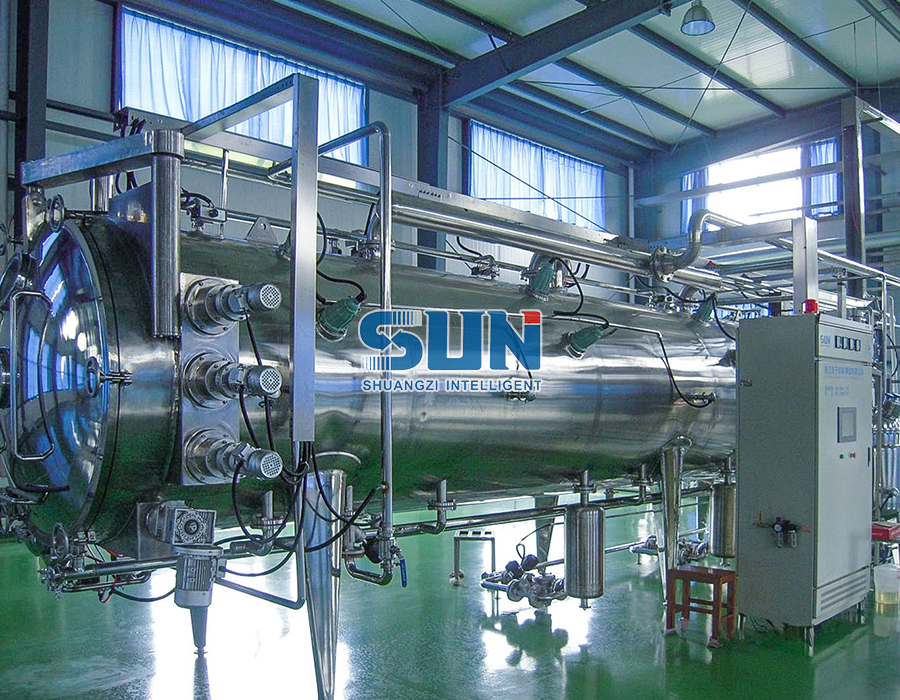
Concentration is another critical operation. After extraction, the target compounds are dissolved in solvent. To produce oil, the solvent must be removed efficiently while protecting the product. Evaporation and concentration equipment must therefore provide sufficient heat transfer area, effective vacuum conditions, reliable condensation, and stable discharge. Poor concentration performance can become the main bottleneck of the whole plant.
The manufacturer’s mature experience in evaporation and concentration equipment supports the hemp oil extraction production line. This experience is valuable because botanical extracts can be viscous, sticky, and sensitive to heat. Equipment must be designed to handle changing concentration levels without excessive degradation or fouling. Solvent vapor must be condensed and managed properly. Vacuum systems must be reliable. Operators must be able to clean the equipment after production.
Winterization and Low-Temperature Processing
Winterization improves CBD oil quality by removing waxes and lipids that are co-extracted from hemp. These components may make the oil cloudy or unstable and can reduce the efficiency of later distillation. Low-temperature processing must be properly designed because cooling large volumes of solvent-extract mixture requires adequate refrigeration capacity, insulation, mixing, and holding time.
A production line approach allows winterization to be integrated with upstream concentration and downstream filtration. Instead of treating winterization as a separate manual step, it becomes part of the complete process route. This supports better scheduling and more consistent impurity removal.
Decarboxylation and Molecular Distillation
Decarboxylation is a thermal conversion process that should be managed carefully. Underheating may leave too much acidic cannabinoid form, while overheating may degrade valuable compounds and darken the oil. A controlled decarboxylation unit helps operators reach the desired conversion level with better repeatability.
Molecular distillation then refines the decarboxylated oil. Under high vacuum, compounds can be separated at lower apparent boiling temperatures than under atmospheric pressure. This reduces thermal stress and helps produce a cleaner cannabinoid-rich distillate. The quality of molecular distillation depends on feed preparation, vacuum performance, temperature control, residence time, and equipment cleanliness. Because the production line includes upstream impurity removal, winterization, and concentration, the feed to molecular distillation can be better prepared.
Chromatography for Advanced Separation
Chromatography column separation provides an advanced purification tool for customers who need higher selectivity. In hemp processing, chromatography may be used to separate CBD from certain related compounds or reduce undesired components. It can also support production of more refined oil fractions. The inclusion of chromatography in the workflow shows that the production line is designed not only for crude extraction but also for higher-value processing.
Chromatography performance is influenced by feed composition. If the incoming oil contains too many waxes, pigments, or heavy impurities, media consumption and processing time may increase. Therefore, the earlier steps of filtration, concentration, winterization, and distillation help make chromatography more effective. This is another example of why the whole-process design matters.
Installation, Commissioning, and Project Delivery
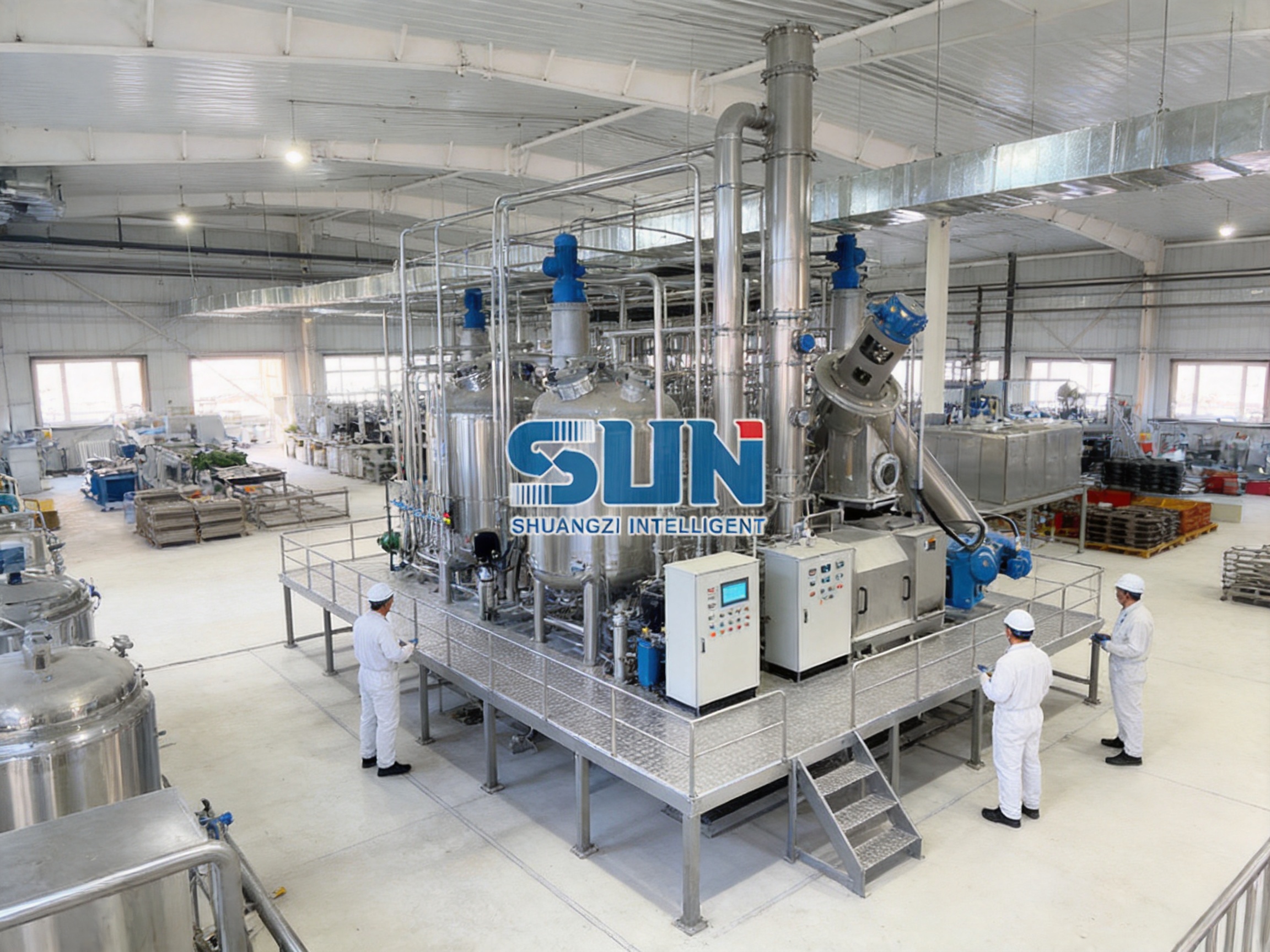
A turnkey hemp oil extraction project requires careful project execution. After process design and equipment manufacturing, installation must ensure proper alignment, piping connection, electrical wiring, control integration, insulation, safety devices, and utility connection. Commissioning then verifies that pumps, valves, instruments, heating systems, cooling systems, vacuum systems, filtration units, and control logic operate correctly.
The company can provide installation and line debugging services, helping customers move from equipment arrival to actual production. This support is especially important for customers who are new to CBD processing. Even experienced plant extraction companies benefit from commissioning guidance because every process line has unique layout and control characteristics.
Successful commissioning should include water testing where appropriate, solvent system verification according to safety procedures, leak testing, instrument calibration checks, process sequence testing, cleaning verification, operator training, and trial production. The goal is not merely to start the equipment but to establish a stable production method.
Why Manufacturing Quality Matters
In industrial extraction, equipment quality directly affects safety, operating cost, product quality, and maintenance. Stainless steel vessel fabrication, weld finishing, sealing design, pump selection, valve quality, instrument accuracy, and control cabinet reliability all contribute to long-term performance. Low-cost equipment may save initial investment but can create higher costs through downtime, solvent loss, cleaning difficulty, leakage, and inconsistent output.
The manufacturer’s investment in advanced welding, cutting, and CNC machining supports better equipment quality. Plasma argon arc welding helps create strong, clean welds. Plasma cutting improves material preparation. CAM CNC machining centers improve precision of machined components. Together, these manufacturing processes support durable equipment suitable for demanding extraction environments.
In addition, experience across fermentation, extraction, concentration, drying, separation, and filtration gives the engineering team a broader understanding of process equipment. Hemp extraction shares challenges with other botanical and pharmaceutical processes: heat sensitivity, fouling, solid-liquid separation, solvent recovery, vacuum operation, hygienic cleaning, and automation. Cross-field experience helps improve equipment design.
Economic Benefits for Producers
The economic performance of a CBD processing line depends on yield, solvent consumption, energy use, labor cost, product quality, downtime, and market price. A well-integrated hemp oil extraction production line can contribute to economic performance by improving extraction efficiency, reducing unnecessary manual handling, supporting solvent recovery, stabilizing batch quality, and reducing downstream purification problems.
Higher extraction efficiency means more valuable product recovered from the same biomass. Better filtration and impurity control reduce equipment fouling and improve downstream processing. Efficient concentration reduces solvent cost and shortens production time. Controlled decarboxylation and distillation improve product value. Turnkey integration reduces project delays and compatibility issues.
For customers evaluating return on investment, it is important to consider the complete production cost rather than only equipment purchase price. A cheaper system that wastes solvent, requires more labor, produces inconsistent oil, or cannot meet quality expectations may become more expensive over time. A professionally engineered line can provide better long-term value.
Compliance and Responsible Use
CBD production is subject to different laws and regulations depending on the country or region. Industrial hemp raw material should meet legal THC limits and production should follow applicable licensing, safety, environmental, and product-quality regulations. The equipment line is intended for processing qualified industrial hemp and should be used only in lawful applications.
Responsible producers should establish laboratory testing for raw materials, intermediates, and final products. Testing may include cannabinoid profile, residual solvents, pesticides, heavy metals, microbial contaminants, moisture, and other quality indicators. Equipment is a foundation, but compliance also requires documentation, standard operating procedures, trained personnel, and quality management.
Q&A Section
What raw material is suitable for this production line?
The line is designed for qualified industrial hemp biomass, generally referring to hemp varieties with THC content not more than 0.3% in the plant, subject to local regulations. The biomass should be properly dried, stored, and prepared before crushing and extraction.
What final products can the line produce?
The line can produce CBD oil and can be configured for further processing toward CBD powder. Depending on the selected modules and process settings, it may also generate intermediate products such as crude extract, winterized oil, decarboxylated oil, and refined CBD-rich distillate.
Why is countercurrent extraction beneficial?
Countercurrent extraction improves contact between solvent and hemp biomass, helping maintain a strong extraction driving force. This can improve recovery efficiency, reduce repeated extraction steps, and support more consistent extract concentration compared with simple batch soaking methods.
What is the purpose of winterization?
Winterization removes waxes, lipids, and other precipitable impurities from hemp extract. This improves oil clarity, supports better molecular distillation, and contributes to a more stable refined product.
Why is molecular distillation included?
Molecular distillation refines cannabinoid-rich oil under high vacuum and controlled temperature. It helps separate valuable components from certain impurities while reducing thermal stress compared with atmospheric distillation.
Can the production capacity be customized?
Yes. Standard operational capacity options include 600 L/h, 800 L/h, 1000 L/h, 1200 L/h, 1500 L/h, and 2000 L/h. The complete line can also be engineered according to raw material supply, facility layout, final product requirements, and automation expectations.
What makes this line different from buying separate machines?
A complete production line is designed as an integrated process. Extraction, filtration, concentration, winterization, decarboxylation, molecular distillation, chromatography, and packaging preparation are coordinated to reduce bottlenecks. Buying separate machines often creates compatibility problems and increases project risk.
Does the manufacturer provide turnkey services?
Yes. The company can provide engineering, process design, equipment design, manufacturing, installation, line debugging, and turnkey project support. This is especially useful for customers who need a complete biomass-to-CBD oil processing solution.
Conclusion
The hemp oil extraction production line is a comprehensive industrial solution for converting qualified industrial hemp biomass into CBD oil and, with suitable configuration, CBD powder. Its strengths include countercurrent solvent extraction, controlled temperature processing, multi-stage filtration, efficient concentration, winterization, decarboxylation, molecular distillation, chromatography, and turnkey project integration. Capacity options from 600 L/h to 2000 L/h allow customers to match production scale with business objectives.
Beyond the process itself, the production line is supported by strong manufacturing capabilities, including advanced welding, cutting, CNC machining, process engineering, automation design, installation, and commissioning experience. The company’s background in plant extraction, biological fermentation, pharmaceutical engineering, natural food equipment, evaporation, filtration, separation, crystallization, and drying provides a solid technical foundation for CBD processing projects.
For producers seeking an advantage over conventional extraction setups, this line offers a more reliable route to high-efficiency extraction, consistent product quality, safer solvent management, and scalable industrial operation. In a market where quality, compliance, and operational efficiency are increasingly important, a fully integrated hemp oil extraction production line provides both technical strength and long-term commercial value.
References
Small, E. Cannabis: A Complete Guide. CRC Press.
United Nations Office on Drugs and Crime. Recommended Methods for the Identification and Analysis of Cannabis and Cannabis Products.
American Herbal Pharmacopoeia. Cannabis Inflorescence: Standards of Identity, Analysis, and Quality Control.
Russo, E. B. Cannabinoid Pharmacology: The First 66 Years. British Journal of Pharmacology.
Perry, R. H., and Green, D. W. Perry’s Chemical Engineers’ Handbook. McGraw-Hill Education.
Seader, J. D., Henley, E. J., and Roper, D. K. Separation Process Principles. Wiley.