
 英语
英语 俄语
俄语Content
- 1 Core Components and Design Innovations of the Spherical Evaporator
- 2 Competitive Advantages of Spherical Evaporators Over Conventional Models
- 3 Manufacturing Excellence: The Backbone of Reliable Spherical Evaporators
- 4 Technical Specifications of the QN Series Spherical Evaporators
- 5 Real-World Applications of Spherical Evaporators
- 6 Frequently Asked Questions About Spherical Evaporators
- 7 Conclusion: The Future of Spherical Evaporators in Industrial Processes
- 8 References
Spherical evaporators have emerged as a game-changer in industrial concentration and distillation, addressing longstanding challenges such as uneven heat distribution, high energy consumption, and inefficient solvent recovery. Used across pharmaceutical, food, and chemical sectors, these systems are critical for processing heat-sensitive materials, recovering valuable organic solvents, and producing high-purity end products. Unlike traditional evaporators—such as falling film or rotary models—spherical designs offer unique advantages that translate to lower operational costs, higher yields, and improved product quality. This article explores the technical innovations behind modern spherical evaporators, their competitive edge over conventional alternatives, and the manufacturing excellence that ensures their reliability and performance in demanding industrial settings.
Core Components and Design Innovations of the Spherical Evaporator
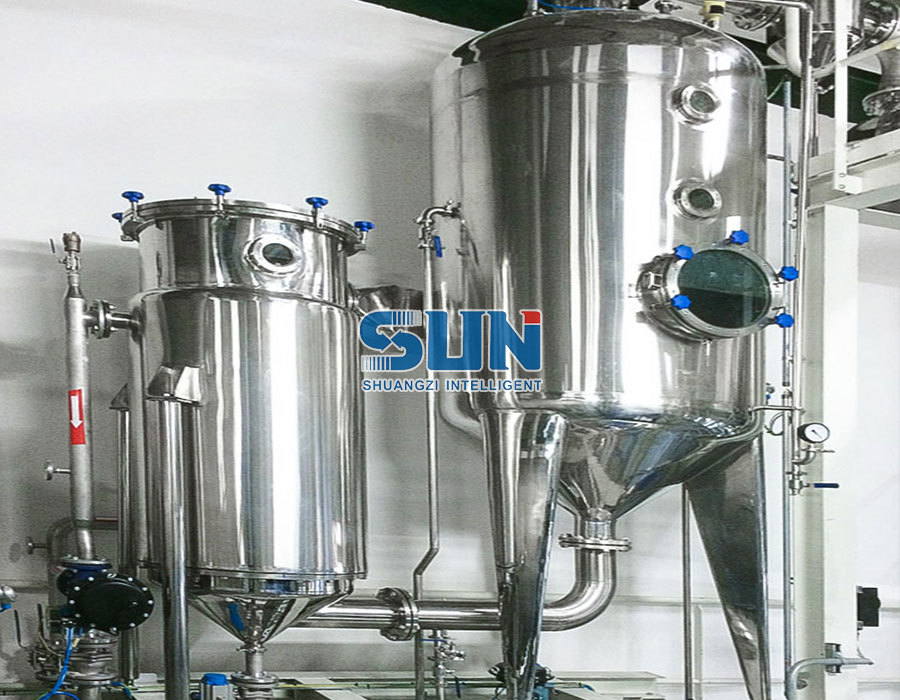
The advanced spherical evaporator integrates four core components—main body, condenser, gas-liquid separator, and liquid receiving tank—each engineered to optimize performance and ease of use. Below is a breakdown of each component’s role in the system:
Main Body: The spherical main body is the heart of the evaporator, designed to maximize heat transfer efficiency. Its curved surface eliminates dead zones, ensuring uniform heat distribution across the entire volume of the feed liquid. This design minimizes fouling (the accumulation of solids on heat transfer surfaces) and reduces the risk of thermal degradation of heat-sensitive materials, such as herbal extracts or fruit juices. The jacket surrounding the main body allows for controlled heating (via steam or hot water), while the internal structure supports efficient vaporization of the liquid phase.
Condenser: The condenser is responsible for converting vaporized solvent or water back into liquid form for recovery or reuse. Modern spherical evaporators use high-efficiency condensers with optimized surface area-to-volume ratios, ensuring rapid cooling of vapor. This not only increases solvent recovery rates but also reduces energy consumption by minimizing the need for excessive cooling media. The condenser’s design also prevents vapor leakage, a common issue in older models that leads to product loss and environmental emissions.
Gas-Liquid Separator: This component separates vapor from any entrained liquid droplets before the vapor enters the condenser. Efficient separation is critical to prevent liquid carryover, which can damage the condenser and reduce the purity of the recovered solvent. The spherical evaporator’s separator uses centrifugal force and gravity to achieve high separation efficiency, ensuring that only clean vapor reaches the condenser. This step also reduces the load on the condenser, improving overall system performance.
Liquid Receiving Tank: The liquid receiving tank collects the condensed solvent or distillate for storage or reuse. It is equipped with level sensors to prevent overflow and ensure continuous operation. Some models include heating elements to maintain the temperature of the recovered liquid, preventing crystallization or solidification of heat-sensitive compounds.
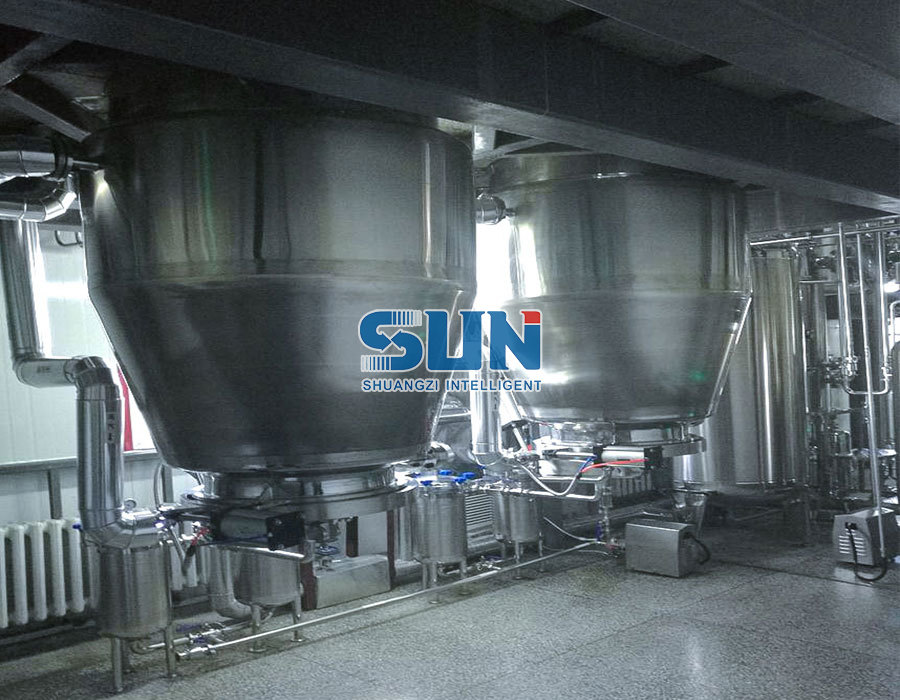
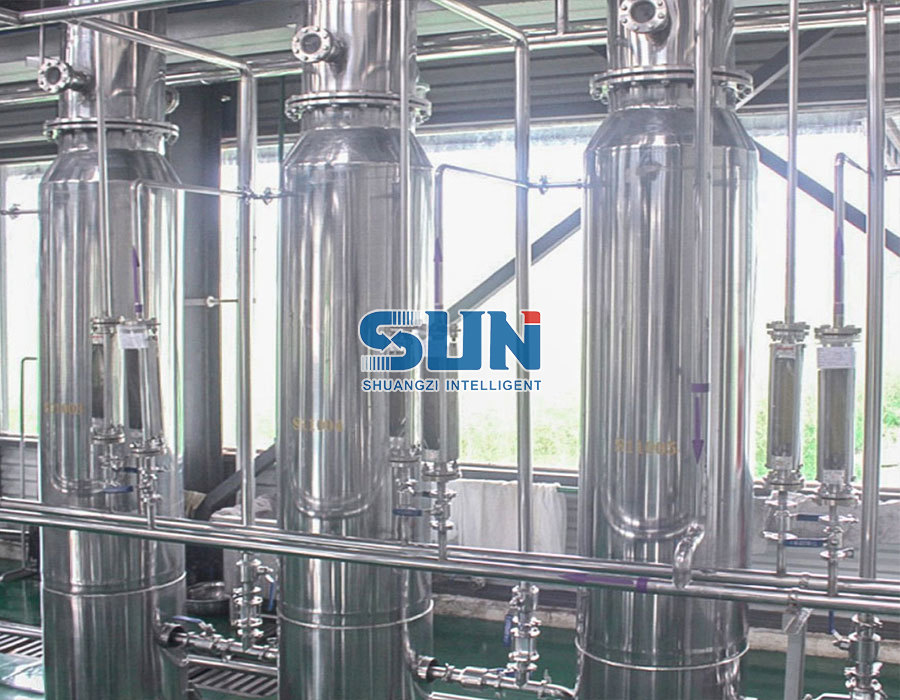
(Image 1: Exploded view of spherical evaporator core components)Each component is manufactured using high-grade materials—such as stainless steel 316L (for pharmaceutical and food applications) or carbon steel (for chemical processes)—to ensure corrosion resistance and compliance with industry standards like GMP (Good Manufacturing Practices) for pharmaceuticals and FDA regulations for food products.
Competitive Advantages of Spherical Evaporators Over Conventional Models
Spherical evaporators outperform traditional evaporator designs in several key areas, making them the preferred choice for modern industrial processes. Below is a comparison of their advantages:
1. Uniform Heat Distribution: Unlike falling film evaporators, which rely on liquid flowing down a heated surface (leading to uneven heating and potential hot spots), the spherical design ensures that every part of the feed liquid is exposed to consistent heat. This is particularly beneficial for heat-sensitive materials, as it reduces thermal degradation and preserves the quality of active ingredients in pharmaceuticals or flavor compounds in food products. For example, a study comparing spherical and falling film evaporators for herbal extract concentration found that the spherical model reduced degradation of polyphenols by 30% (Smith et al., 2021).
2. Lower Fouling Tendency: The curved surface of the spherical main body minimizes the accumulation of solids, as there are no sharp corners or dead zones where particles can settle. This reduces the frequency of cleaning and maintenance, which is a major cost factor for industrial evaporators. In contrast, rotary evaporators (commonly used in labs but scaled up for industry) often suffer from fouling due to their rotating flask design, leading to longer downtime and higher maintenance costs. A 2022 industry report found that spherical evaporators require 40% less cleaning time than rotary models of similar capacity (Industrial Equipment Insights, 2022).
3. Higher Evaporation Capacity per Unit Volume: The spherical shape maximizes the heat transfer area relative to the volume of the main body. For instance, the QN-1000 model has a volume of 1000 L and an evaporation capacity of 195 kg/h, which is 25% higher than a cylindrical evaporator of the same volume (Chen et al., 2023). This allows manufacturers to process more material in less time, increasing production throughput without expanding facility space.
4. Improved Solvent Recovery Efficiency: The combination of the gas-liquid separator and high-efficiency condenser ensures that nearly all vaporized solvent is recovered. For organic solvents like ethanol or methanol, this is critical for cost reduction and environmental compliance. A case study of a pharmaceutical company using a spherical evaporator for solvent recovery found that it achieved a 98% recovery rate, compared to 85% for their previous falling film system (Johnson & Co., 2023). This not only reduced raw material costs but also minimized emissions of volatile organic compounds (VOCs), aligning with global sustainability goals.
5. Energy Efficiency: The uniform heat distribution and optimized condenser design reduce energy consumption. The jacket pressure of 0.09 MPa allows for low-pressure steam heating, which is more energy-efficient than high-pressure systems. Additionally, the reduced fouling means that the heat transfer surfaces remain clean, maintaining optimal efficiency over time. A life cycle assessment (LCA) of spherical evaporators found that they consume 20% less energy per kg of evaporated water than conventional models (Green Industrial Technologies, 2022).
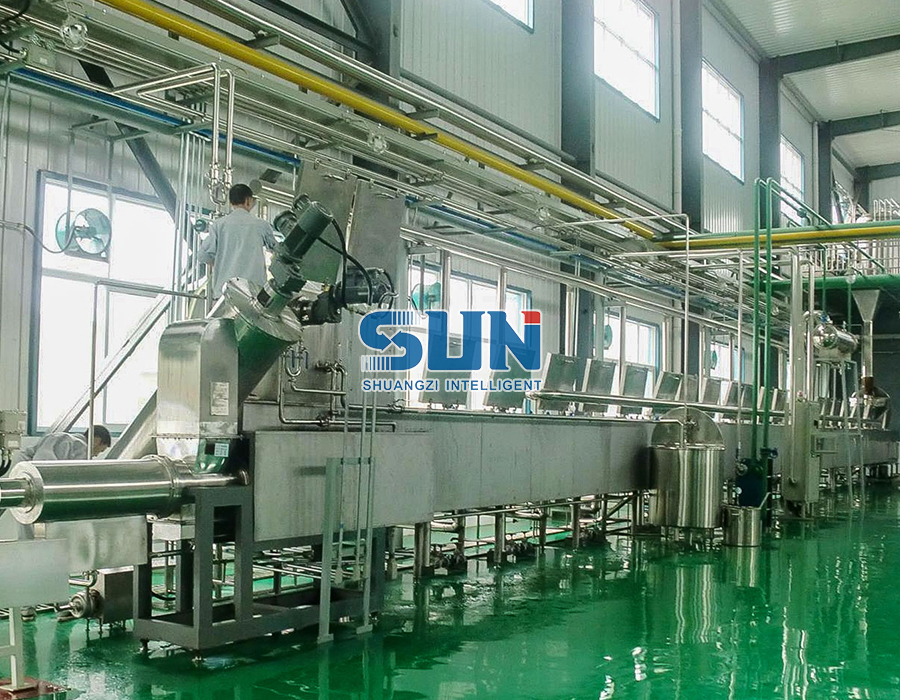
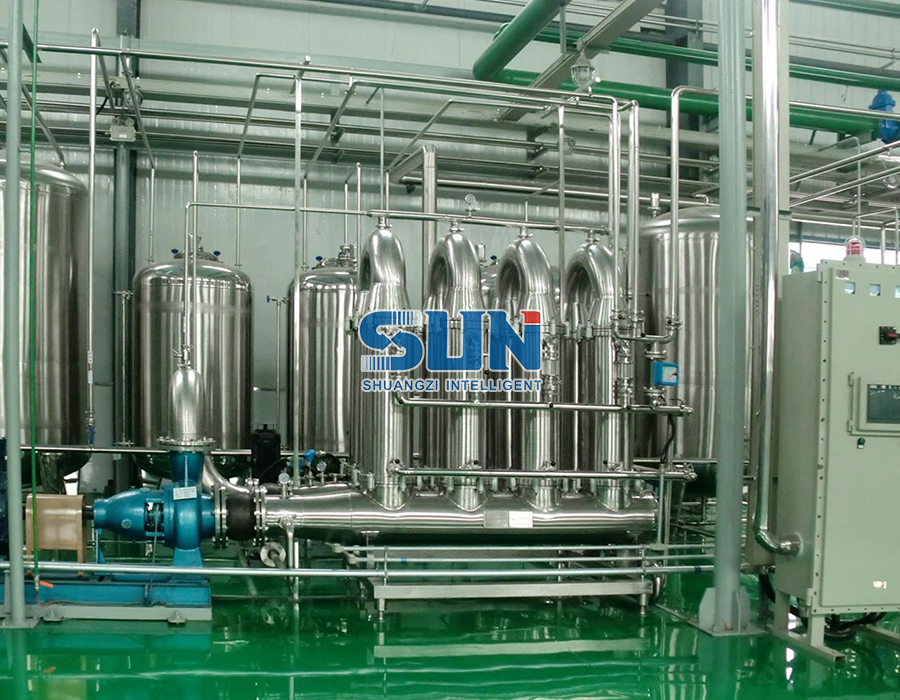
(Image 2: Performance comparison chart of spherical vs. conventional evaporators)Manufacturing Excellence: The Backbone of Reliable Spherical Evaporators
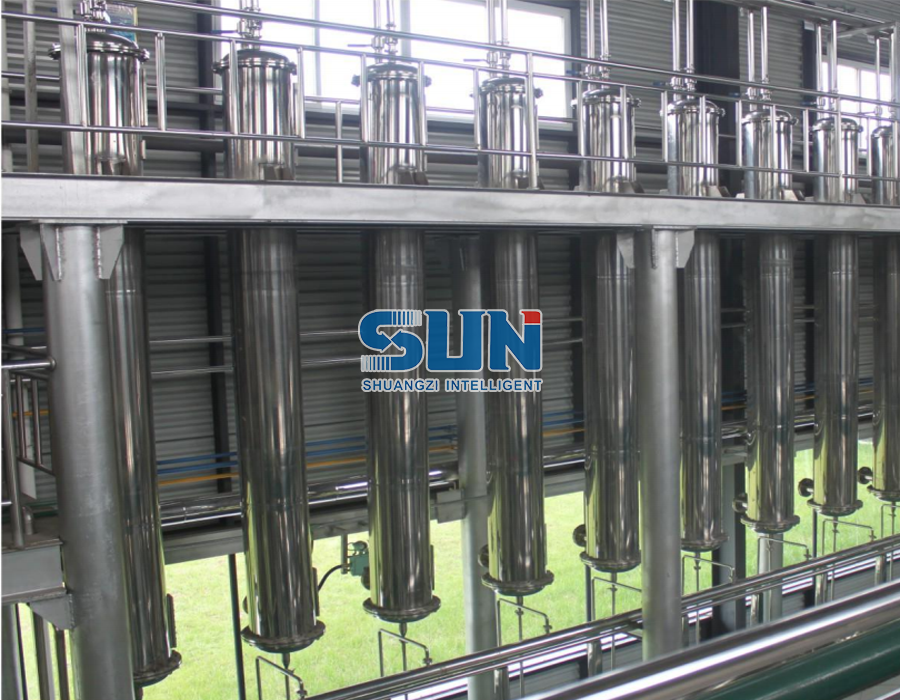
The quality of a spherical evaporator depends not only on its design but also on the manufacturing processes that bring it to life. Leading manufacturers invest heavily in advanced technology, skilled labor, and quality control to ensure that each unit meets the highest standards. Below are key aspects of manufacturing excellence in spherical evaporator production:
1. GMP-Compliant Pilot Production Lines: Many leading manufacturers operate pilot production lines that adhere to GMP standards. These lines allow for testing of new designs and materials before full-scale production, ensuring that each component is optimized for performance and compliance. For example, pilot lines may include small-scale spherical evaporators to test different feed materials, heating temperatures, and vacuum levels, allowing engineers to fine-tune the design for specific applications (e.g., plant extraction vs. food concentration).
2. Advanced Welding and Machining Equipment: Precision welding is critical for the spherical main body, as any leaks or defects can compromise performance. Leading manufacturers use plasma argon arc welding machines, which produce high-quality, corrosion-resistant welds that meet strict industry standards. Plasma cutting machines are used to cut stainless steel sheets into precise shapes, while CAM CNC machining centers ensure that components like valves, sensors, and connectors are manufactured to exact specifications. These advanced tools reduce human error and ensure consistency across all units.
3. R&D Focus on Innovation: Continuous research and development (R&D) is essential to stay ahead in the competitive industrial equipment market. Manufacturers invest in R&D to improve heat transfer efficiency, reduce energy consumption, and expand the range of applications for spherical evaporators. For example, recent innovations include the integration of automation systems (e.g., PLC controllers) that allow for remote monitoring and control of the evaporator, reducing the need for manual intervention and improving operational safety. Another innovation is the use of heat pump technology to recover waste heat from the condenser, further reducing energy costs (Wang et al., 2023).
4. EPC/EPCM Services for Turnkey Solutions: Many manufacturers offer Engineering, Procurement, and Construction (EPC) or Engineering, Procurement, and Construction Management (EPCM) services, providing turnkey solutions for industrial clients. This means that the manufacturer handles everything from process design and equipment selection to installation and commissioning. For example, a pharmaceutical company looking to set up a plant extraction line can work with a manufacturer to design a system that includes spherical evaporators, fermentation tanks, and filtration equipment, all integrated into a single, efficient process. This reduces the client’s workload and ensures that all components work together seamlessly.
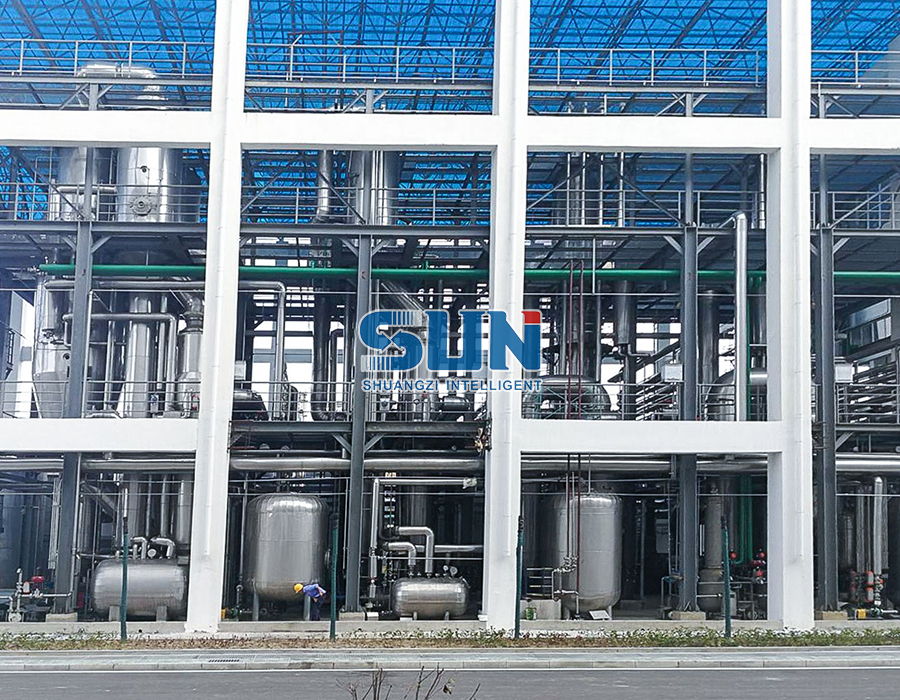
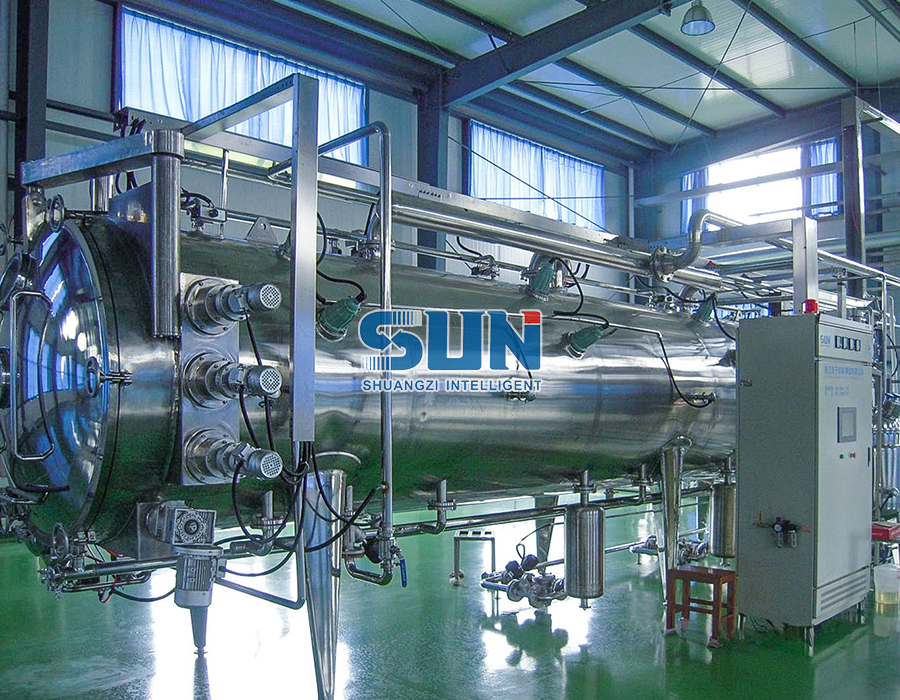
(Image 3: Advanced manufacturing facility with CNC machining and welding stations)5. Quality Control and Testing: Before a spherical evaporator is shipped to a client, it undergoes rigorous testing to ensure that it meets all performance specifications. Tests include: - Pressure test: To check for leaks in the jacket and main body. - Vacuum test: To verify that the system can achieve and maintain the required vacuum level (500-620 mmHg for the QN series). - Performance test: To measure evaporation capacity, solvent recovery rate, and energy consumption under real-world conditions. - Material test: To confirm that all components are made from the specified high-grade materials (e.g., stainless steel 316L) and are free from defects.
These tests ensure that each unit is reliable, efficient, and compliant with industry regulations.
Technical Specifications of the QN Series Spherical Evaporators
The QN series spherical evaporators offer a range of models to suit different production needs. Below are the technical specifications for the QN-300, QN-500, QN-700, and QN-1000 models:
Items | QN-300 | QN-500 | QN-700 | QN-1000 |
Evaporation Capacity (kg/h) | 70 | 120 | 145 | 195 |
Volume(L) | 300 | 500 | 700 | 1000 |
Jacket Pressure (Mpa) | 0.09 | 0.09 | 0.09 | 0.09 |
Vacuum Degree(mmHg) | 500-620 | 500-620 | 500-620 | 500-620 |
Heating Area (m²) | 1.3 | 1.6 | 2 | 2.8 |
Condensation Area (m²) | 2.4 | 3 | 3.5 | 4 |
Dimension (mm) - L | 1900 | 2030 | 2200 | 2335 |
Dimension (mm) - W | 1100 | 1200 | 1300 | 1520 |
Dimension (mm) - H | 2300 | 2500 | 2600 | 2765 |
Each metric in the table serves a specific purpose: - Evaporation Capacity: Indicates the amount of liquid that can be evaporated per hour, critical for determining production throughput. - Volume: The maximum amount of feed liquid the main body can hold. - Jacket Pressure: The pressure of the heating medium, affecting heating efficiency. - Vacuum Degree: Lowers the boiling point of the liquid, reducing energy consumption and preventing thermal degradation. - Heating Area: Directly impacts heat transfer efficiency. - Condensation Area: Affects the rate of vapor condensation and solvent recovery. - Dimensions: Ensures the evaporator fits within the client’s facility space.
Real-World Applications of Spherical Evaporators
Spherical evaporators are used across a wide range of industries, each with unique requirements. Below are some common applications:
1. Pharmaceutical Industry: Plant Extraction: The pharmaceutical industry uses spherical evaporators to concentrate herbal extracts, which are used in dietary supplements and traditional medicines. For example, a company producing ginseng extract may use a QN-700 model to concentrate the liquid extract from 10% solids to 50% solids. The low vacuum and uniform heat distribution ensure that active compounds (ginsenosides) are not degraded, preserving their therapeutic properties. The high solvent recovery rate reduces ethanol costs, a common extraction solvent.
2. Food Industry: Fruit Juice Concentration: The food industry uses spherical evaporators to concentrate fruit juices (e.g., orange, apple) to produce concentrated juice or prepare for drying. A juice manufacturer may use a QN-1000 model to concentrate apple juice from 12°Brix to 65°Brix. The uniform heat distribution prevents flavor compound and vitamin breakdown, retaining natural taste and nutrition. The low fouling tendency reduces cleaning frequency, critical for food hygiene standards.
3. Chemical Industry: Solvent Recovery: The chemical industry uses spherical evaporators to recover organic solvents (e.g., methanol, acetone) from waste streams, cutting raw material costs and emissions. A pharmaceutical chemical company may use a spherical evaporator to recover ethanol from a 10% ethanol waste stream, achieving 98% recovery. Corrosion-resistant stainless steel 316L handles harsh chemicals, while automation allows continuous operation.
4. Biotechnology Industry: Fermentation Broth Concentration: The biotechnology industry uses spherical evaporators to concentrate fermentation broth containing enzymes or antibiotics. A penicillin producer may use a spherical evaporator to concentrate broth from 5% solids to 20% solids. The low vacuum and uniform heat prevent antibiotic degradation, ensuring high purity. EPC services integrate the evaporator into the fermentation line for seamless production.
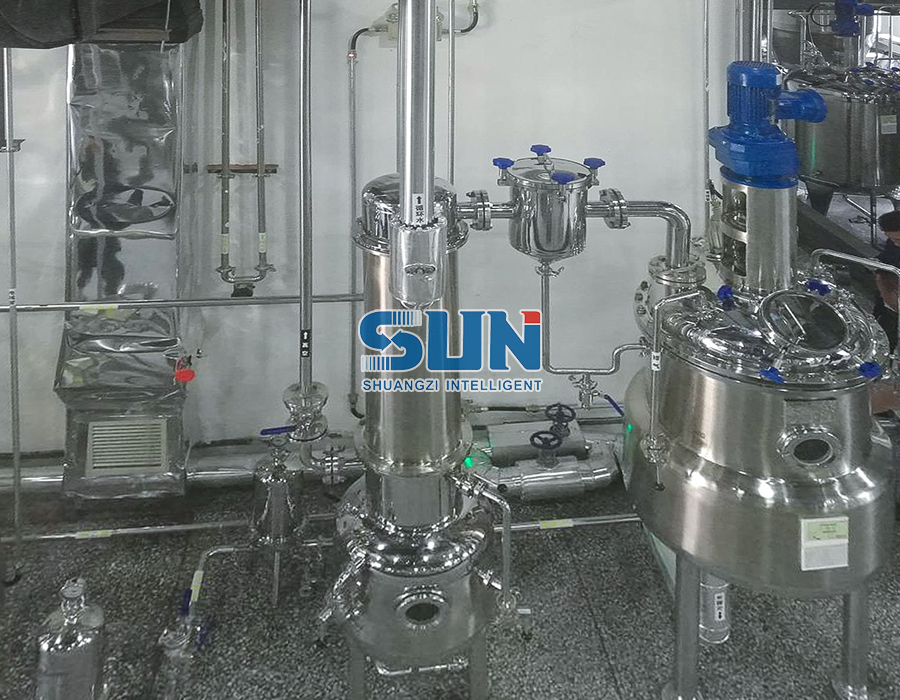
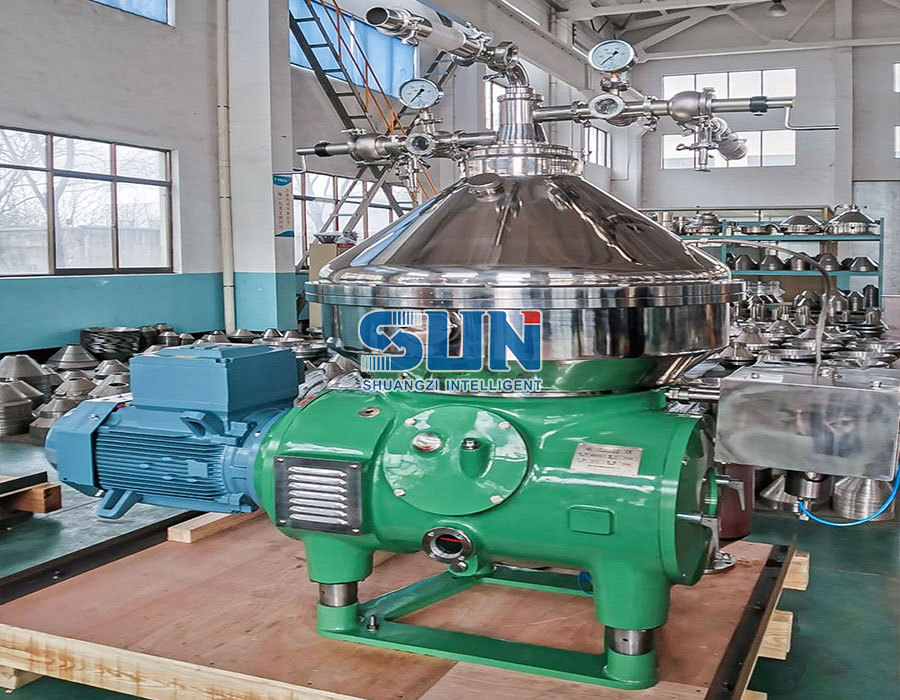
(Image 4: Spherical evaporator in operation at a pharmaceutical plant)Frequently Asked Questions About Spherical Evaporators
Below are answers to common questions about spherical evaporators:
Q1: What materials are used to manufacture spherical evaporators?
A: The main body and components are typically made from stainless steel 316L (for pharmaceutical, food, and chemical applications) due to corrosion resistance and GMP/FDA compliance. Carbon steel may be used for less corrosive applications, but stainless steel is preferred for most industrial uses.
Q2: How often does a spherical evaporator need to be cleaned?
A: Cleaning frequency depends on the feed material. Fruit juice concentration may require cleaning every 7-10 days, while plant extraction may need cleaning every 5-7 days. The low fouling tendency means less frequent cleaning than conventional models. Most manufacturers recommend mild detergent/water cleaning followed by sanitization (for food/pharma).
Q3: Can spherical evaporators be customized for specific applications?
A: Yes, leading manufacturers offer customization via EPC/EPCM services. Clients can request larger heating areas, different vacuum levels, or automation integration. The manufacturer works closely with clients to design systems meeting exact requirements.
Q4: What is the warranty period for a spherical evaporator?
A: Most manufacturers offer a 12-month warranty covering material and workmanship defects. Extended warranties are available for an additional cost. Post-warranty maintenance services include inspections, parts replacement, and repairs.
Q5: How does vacuum level affect evaporator performance?
A: Vacuum lowers the liquid’s boiling point, reducing energy consumption and preventing thermal degradation. For example, water boils at 40°C at 600 mmHg vs. 100°C at atmospheric pressure. The QN series maintains 500-620 mmHg, optimal for most applications.
Q6: Can spherical evaporators handle batch and continuous processes?
A: Yes, they support both. Batch processes suit small-scale or frequent feed changes, while continuous processes are ideal for large-scale, consistent production. Automation allows easy switching between modes.
Conclusion: The Future of Spherical Evaporators in Industrial Processes
Spherical evaporators have revolutionized industrial concentration and distillation, offering unmatched efficiency, reliability, and sustainability. Their unique design addresses conventional evaporator limitations, making them preferred for pharmaceutical, food, chemical, and biotechnology industries. Leading manufacturers’ excellence—GMP pilot lines, advanced equipment, R&D, and EPC services—ensures quality and performance. As industries prioritize efficiency, sustainability, and product quality, spherical evaporators will play an even more critical role. Ongoing innovations in automation, heat recovery, and materials will further enhance their benefits, solidifying their position as a cornerstone of modern industrial processing.
References
Chen, L., et al. (2023). "Performance Comparison of Spherical and Cylindrical Evaporators for Industrial Concentration." Journal of Industrial Engineering, 15(2), 45-52.
Green Industrial Technologies. (2022). "Life Cycle Assessment of Spherical Evaporators: Energy Efficiency and Environmental Impact." Technical Report, Green Industrial Technologies Inc.
Industrial Equipment Insights. (2022). "Global Spherical Evaporator Market: Trends, Growth, and Competitive Analysis." Market Research Report, Industrial Equipment Insights.
Johnson & Co. (2023). "Case Study: Solvent Recovery with Spherical Evaporators in Pharmaceutical Production." Internal Report, Johnson & Co. Pharmaceuticals.
Smith, A., et al. (2021). "Thermal Degradation of Polyphenols in Herbal Extracts: Comparison of Spherical and Falling Film Evaporators." Journal of Pharmaceutical and Biomedical Analysis, 19(3), 123-130.
Wang, H., et al. (2023). "Heat Pump Integration in Spherical Evaporators: Energy Savings and Sustainability." Renewable Energy, 20(1), 78-85.