
 英语
英语 俄语
俄语Content
- 1 Why Membrane Separation Matters in Modern Plant Extraction
- 2 Working Principle of the Equipment
- 3 Core Components and Process Functions
- 4 Advantages Over Conventional Separation Methods
- 5 Application Coverage Across Multiple Industries
- 6 Manufacturing Strength and Engineering Foundation
- 7 Advanced Fabrication and Quality-Oriented Production
- 8 Process Integration in Turnkey Projects
- 9 Competitive Advantages in Real Production
- 10 Role in Food Safety and Pharmaceutical Quality
- 11 Cleaning, Maintenance, and Long-Term Operation
- 12 How the Equipment Supports Energy Conservation
- 13 Industrial Design Considerations for Different Materials
- 14 Installation and Commissioning Value
- 15 Typical Production Scenarios
- 16 Why Customers Choose a Process-Oriented Manufacturer
- 17 Q&A Section
- 17.1 What is the main purpose of Plant Extraction Supporting Membrane Separation Equipment?
- 17.2 How does the membrane separation process work?
- 17.3 What industries can use this equipment?
- 17.4 What are the advantages compared with traditional filtration?
- 17.5 Why is ceramic membrane technology useful for difficult materials?
- 17.6 Can the equipment be integrated into a complete production line?
- 17.7 How is the membrane system cleaned?
- 17.8 What makes the manufacturer competitive?
- 17.9 Is pilot testing important before buying a membrane system?
- 17.10 What benefits can users expect in downstream processes?
- 18 Conclusion
- 19 References
- 20 Product: Plant Extraction Supporting Membrane Separation Equipment
Membrane separation equipment has become one of the most important process technologies for modern plant extraction, biological fermentation, food processing, pharmaceutical clarification, wastewater treatment, and high-value natural ingredient production. As industries move toward cleaner processing, lower thermal damage, higher automation, and more stable product quality, membrane filtration provides a selective, efficient, and scalable way to separate, clarify, purify, concentrate, and recover valuable components from complex liquid or gas systems.
Plant Extraction Supporting Membrane Separation Equipment is designed to use a membrane as the selective separation medium. Under a controlled driving force across both sides of the membrane, specific components in the raw material stream pass through the membrane while other components are retained. This controlled transfer enables the mixture to be separated according to particle size, molecular weight, solubility, charge characteristics, or other separation principles. The result is a process that can support purification, concentration, clarification, sterilization, decolorization, and material recovery while helping manufacturers improve yield, consistency, and production efficiency.
For companies operating in plant extraction, bio-fermentation, pharmaceutical engineering, food and beverage processing, natural pigment manufacturing, and environmental protection, this equipment offers a practical solution for replacing or improving conventional separation methods. Compared with many traditional clarification and filtration systems, membrane separation can reduce chemical consumption, minimize product loss, support continuous operation, improve automation, and help preserve heat-sensitive active ingredients. It is especially suitable for processes that require clean separation without aggressive thermal treatment or excessive chemical intervention.
Plant Extraction Supporting Membrane Separation Equipment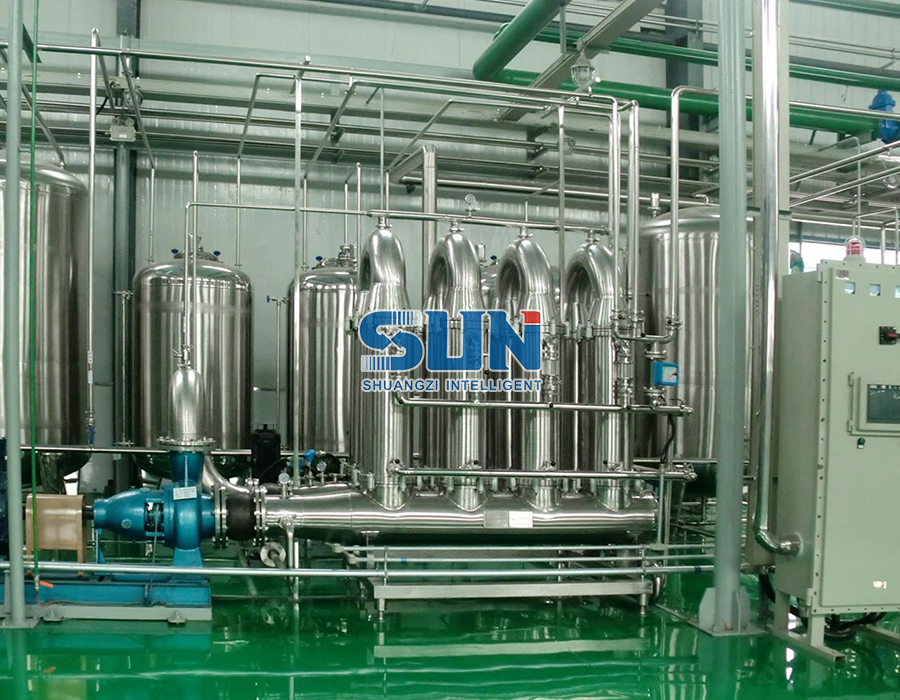
Why Membrane Separation Matters in Modern Plant Extraction
Plant extraction processes often involve complex mixtures. A typical extract may contain active ingredients, sugars, proteins, polysaccharides, pigments, starches, fibers, fine particles, colloids, microorganisms, salts, and residual solvents or water. Without effective separation, downstream concentration, drying, crystallization, or formulation can become unstable and inefficient. Turbidity, suspended solids, gums, and macromolecules may reduce product clarity, cause scaling in evaporators, shorten equipment life, and compromise final product appearance.
Membrane separation helps solve these challenges by introducing a controlled, physical separation step. It can remove particles and microorganisms, clarify extracts, recover valuable compounds, and reduce the burden on downstream evaporation and drying systems. In many extraction projects, membrane filtration can be used after extraction and before concentration, or it can be integrated with precipitation, centrifugation, resin adsorption, evaporation, crystallization, and vacuum low-temperature drying. This makes it highly valuable in complete plant extraction production lines.
Compared with traditional plate-and-frame filtration or diatomaceous earth filtration, membrane systems can offer higher cleanliness and more consistent filtration precision. They can reduce the introduction of filter aids, decrease solid waste generation, and improve the working environment. In addition, ceramic membrane configurations are often valued for their mechanical strength, chemical resistance, high-temperature tolerance, and long service life, especially when processing difficult feed liquids containing particles, oils, pigments, or fermentation residues.
In plant extraction, product quality is directly connected to the stability of process conditions. Excessive heat can damage aroma compounds, natural colors, enzymes, vitamins, alkaloids, flavonoids, polysaccharides, and other active components. Membrane separation can operate under moderate temperatures, helping protect sensitive ingredients. For manufacturers of natural extracts, functional foods, herbal oral liquids, botanical intermediates, and natural pigments, this advantage can directly improve product competitiveness.
Working Principle of the Equipment
The core principle of the system is selective permeation. The membrane acts as a separation barrier. When feed liquid is delivered to the membrane module under a certain pressure or flow condition, smaller or permitted components pass through the membrane as filtrate or permeate, while larger or retained components remain in the concentrate stream. By controlling membrane type, membrane pore size, operating pressure, cross-flow velocity, temperature, concentration ratio, and cleaning mode, the system can be adjusted for different materials and process goals.
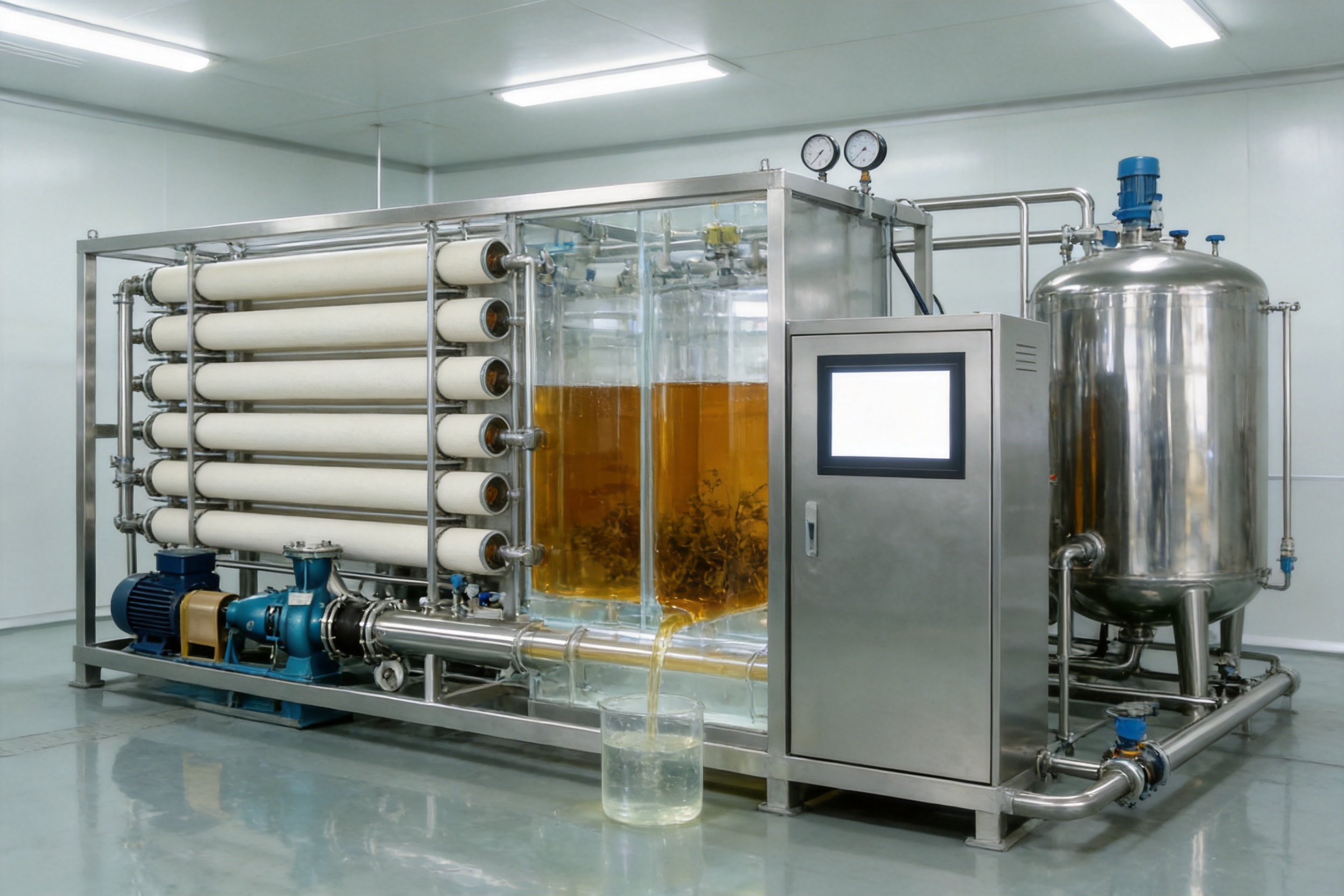
The equipment generally includes membrane modules, a feeding pump, a circulating pump, a raw material tank or circulation tank, pipelines, valves, instruments, and control components. The feeding pump supplies liquid to the system, while the circulating pump provides the required membrane surface velocity. This cross-flow movement is important because it helps reduce membrane surface fouling, keeps suspended solids moving, and supports stable filtration over a longer operating cycle.
According to the provided process configuration, the system is composed of eight unit components using a four-and-two channeling arrangement, and each membrane unit includes nineteen membrane tubes. This multi-unit structure helps provide sufficient membrane area, stable processing capacity, and flexible operation. For industrial customers, this modular arrangement is important because it allows the equipment to be integrated into different production scales and adapted to changing process requirements.
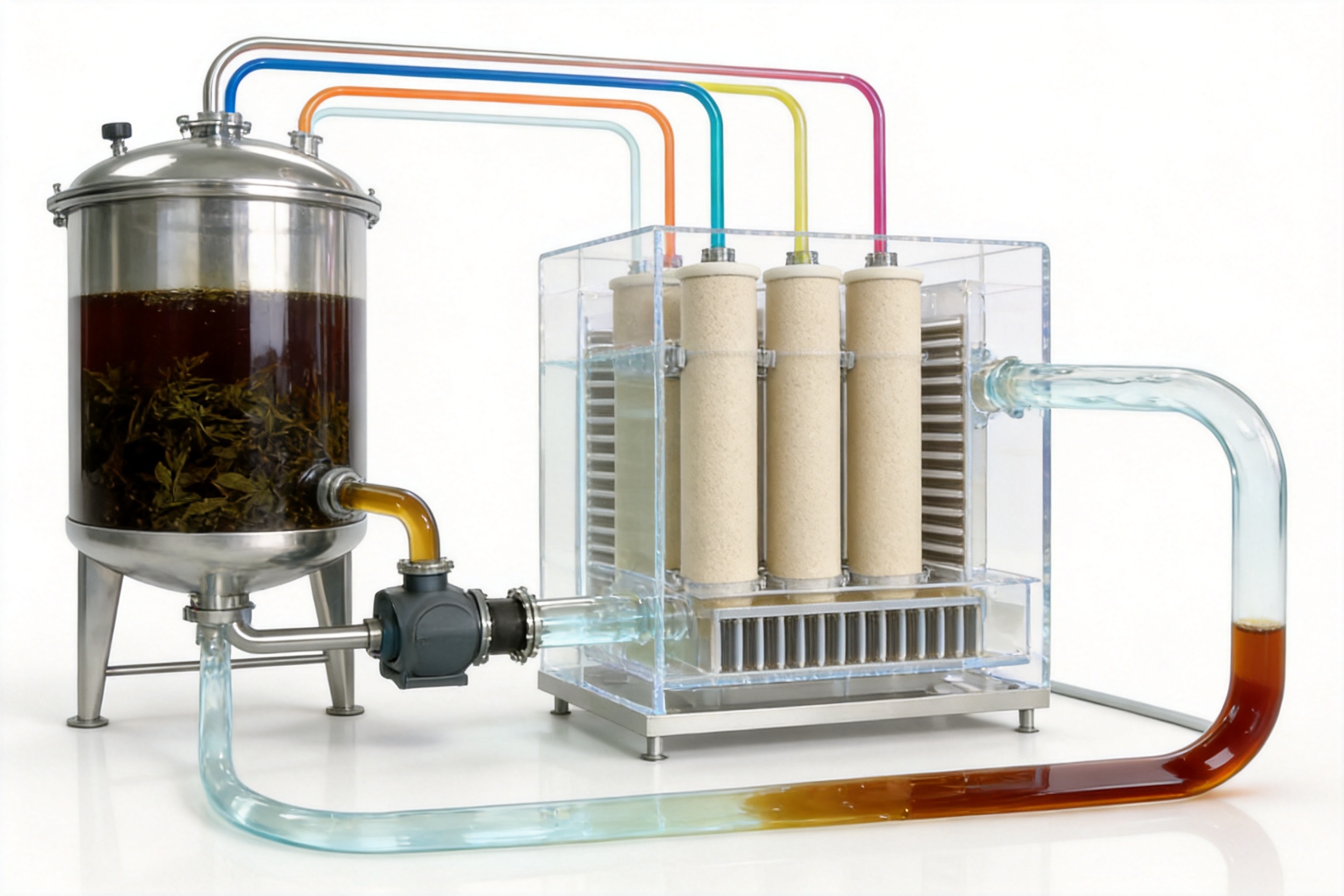
In operation, the filtration process can be summarized as follows: circulation tank to feed pump, feed pump to ceramic membrane, ceramic membrane to filtrate outlet, and retained concentrate returning through the circulation loop. During cleaning, the circulation tank and feed pump deliver cleaning solution through the membrane system, while osmotic solution and concentrate pathways allow residues and cleaning liquids to be circulated and discharged according to cleaning requirements.
This configuration is especially suitable for applications where stable membrane surface velocity and effective concentrate circulation are needed. By maintaining flow across the membrane surface, the system avoids relying solely on dead-end filtration. This can improve filtration stability, reduce clogging, and make the process better suited for feed liquids that contain suspended particles or macromolecular impurities.
Core Components and Process Functions
A membrane separation system is not simply a membrane module. Its performance depends on how the membrane, pump system, tank design, flow distribution, instrumentation, cleaning arrangement, and control logic work together. A well-designed system must support both process efficiency and operational reliability.
| Component or Process Section | Main Function | Operational Advantage |
|---|---|---|
| Membrane Module | Provides selective separation through membrane channels or tubes. | Supports clarification, purification, concentration, and impurity removal with controlled precision. |
| Feeding Pump | Delivers feed liquid from the raw material or circulation tank into the membrane system. | Ensures stable feed supply and helps maintain process pressure. |
| Circulating Pump | Maintains high membrane surface velocity and circulates concentrate. | Reduces fouling tendency and supports longer filtration cycles. |
| Raw Material or Circulation Tank | Stores feed liquid, cleaning liquid, or circulating process material. | Helps stabilize flow, concentration, and cleaning operation. |
| Filtrate Outlet | Collects liquid that passes through the membrane. | Provides clarified or purified liquid for downstream processing. |
| Concentrate Loop | Returns retained components to the circulation tank or concentration pathway. | Allows recovery, enrichment, or further processing of retained substances. |
| Cleaning Line | Circulates cleaning solution through the membrane system. | Helps restore membrane flux and maintain sanitary operating conditions. |
| Control and Instrumentation | Monitors pressure, flow, temperature, and operating status. | Improves process repeatability, safety, and automation capability. |
The proper selection and integration of these components determines whether a membrane system will perform reliably in real production. For example, a membrane with excellent separation accuracy may still underperform if the circulation pump cannot provide suitable surface velocity. Likewise, a powerful pump system may waste energy if the membrane arrangement and flow path are not optimized. Therefore, engineering design, fabrication quality, and process experience are all critical to the final result.
Advantages Over Conventional Separation Methods
The product offers several advantages when compared with conventional clarification, filtration, or separation technologies. These advantages are especially visible in applications involving plant extracts, fermentation broths, food liquids, oral liquid intermediates, and wastewater containing oil or suspended particles.
First, membrane separation is a physical separation process. It often reduces the need for chemical additives, filter aids, or repeated precipitation steps. This can lower operating costs and reduce the risk of unwanted residues in the product stream. For food, pharmaceutical, and natural extract applications, fewer additives can also support cleaner labeling, improved safety control, and more predictable downstream purification.
Second, the process can operate at relatively low or moderate temperatures. This is important for heat-sensitive natural products and biological materials. In traditional concentration or clarification systems, high temperature may destroy active substances or cause color and flavor changes. Membrane technology can perform clarification and partial concentration before thermal evaporation, reducing the overall heat exposure of the product.
Third, membrane systems can provide continuous or semi-continuous operation. Traditional batch filtration can require frequent replacement of filter media, manual cake removal, and downtime for cleaning. A properly designed cross-flow membrane system can maintain circulation, collect filtrate continuously, and control concentrate flow with less manual intervention. This improves production efficiency and reduces labor intensity.
Fourth, membrane filtration can improve product clarity and consistency. The membrane barrier provides a defined separation threshold, making results more repeatable than some traditional media filtration methods. For manufacturers producing oral liquids, beverages, fruit juices, vinegar, soy sauce, natural pigments, or biological products, consistent clarity and microbial reduction can be commercially important.
Fifth, ceramic membrane systems can show strong resistance to harsh process conditions. Ceramic membranes are often selected where feed liquids contain particles, oils, pigments, or abrasive impurities. Their robust structure can help maintain stable operation in demanding industrial environments. This makes them suitable not only for food and pharmaceutical processing but also for wastewater treatment, oilfield reinjection water treatment, and high-temperature gas dust removal applications.
Sixth, membrane separation can support valuable material recovery. In decolorization activated carbon recycling, sugar refining, pigment production, and fermentation product separation, the retained or permeated stream may contain recoverable substances. By designing the process around both filtrate and concentrate value, manufacturers can reduce waste and improve total material utilization.
Application Coverage Across Multiple Industries
The equipment has broad application coverage, making it suitable for different industrial projects. Its main application fields include wastewater treatment, food and fermentation, biological and pharmaceutical processing, and other specialized separation processes.
Wastewater Treatment
In wastewater treatment, membrane separation can be used for oily wastewater and wastewater containing particles. Industrial wastewater often includes emulsified oils, suspended solids, colloids, and fine impurities that are difficult to remove by simple sedimentation. Membrane filtration provides a more precise physical barrier, helping separate oil droplets, particles, and suspended matter. This can improve water quality before discharge, reuse, or further treatment.
For facilities focused on energy conservation and environmental protection, membrane separation can help reduce the volume of waste streams, recover reusable water, and improve compliance with treatment targets. In some processes, the membrane system can also work with chemical coagulation, biological treatment, dissolved air flotation, evaporation, or advanced oxidation, depending on the wastewater characteristics.
Food and Fermentation Industry
Food and fermentation applications are among the most important uses for this type of equipment. The system can be used for mineral water clarification preparation, soy sauce and vinegar degerming purification filtration, clarification and filtration of fruit juice, beverages, and alcohol, separation and purification of fermentation products, decolorization activated carbon recycling, and sugar refining.
In beverage clarification, membrane separation helps remove suspended solids and microorganisms while preserving desirable flavor and nutritional components. In soy sauce and vinegar processing, degerming purification can improve product stability and shelf quality. In fermentation product separation, the membrane can help separate cells, proteins, polysaccharides, enzymes, metabolites, or target compounds, depending on membrane selection and process conditions.
Fermentation broths are often challenging because they contain cells, cell fragments, soluble proteins, salts, and viscosity-changing components. A cross-flow membrane system with strong circulation can reduce fouling compared with dead-end filtration and can make downstream purification more efficient. This is particularly valuable for enzyme production, organic acid processing, probiotic-related intermediates, amino acid production, and other fermentation-derived products.
Biological and Pharmaceutical Industry
In biological and pharmaceutical applications, the equipment can support clarification and filtration of Chinese patent medicine oral liquids, purification and refining of biological products, air sterilization and dust removal separation, decolorization activated carbon filtration and separation, and related operations. These processes require stable quality, sanitary design awareness, repeatability, and careful control of contamination risks.
Chinese patent medicine oral liquid production often involves extraction from botanical materials followed by clarification, concentration, sterilization, and filling. Membrane filtration can help remove fine particles, colloids, and microbial load, improving appearance and stability. In biological product refining, membrane separation can help reduce impurities and support downstream purification steps. In activated carbon filtration and separation, the membrane can assist in recovering carbon or removing decolorization residues, which can reduce product loss and improve filtrate clarity.
Other Industrial Areas
The equipment can also be applied in high-temperature gas dust removal, oilfield reinjection water treatment, and natural pigment production. Natural pigment production is especially relevant to plant extraction. Pigments are often sensitive to heat, pH, light, and oxidation. Membrane separation can help clarify pigment extracts, remove impurities, and prepare the material for concentration or drying while reducing thermal stress.
Oilfield reinjection water requires removal of particles, oil, and impurities that may block formations or damage injection systems. Membrane separation can be part of a treatment train for improving water quality. High-temperature gas dust removal requires special material and structural considerations, but the selective separation principle remains valuable when robust filtration performance is required.
Manufacturing Strength and Engineering Foundation
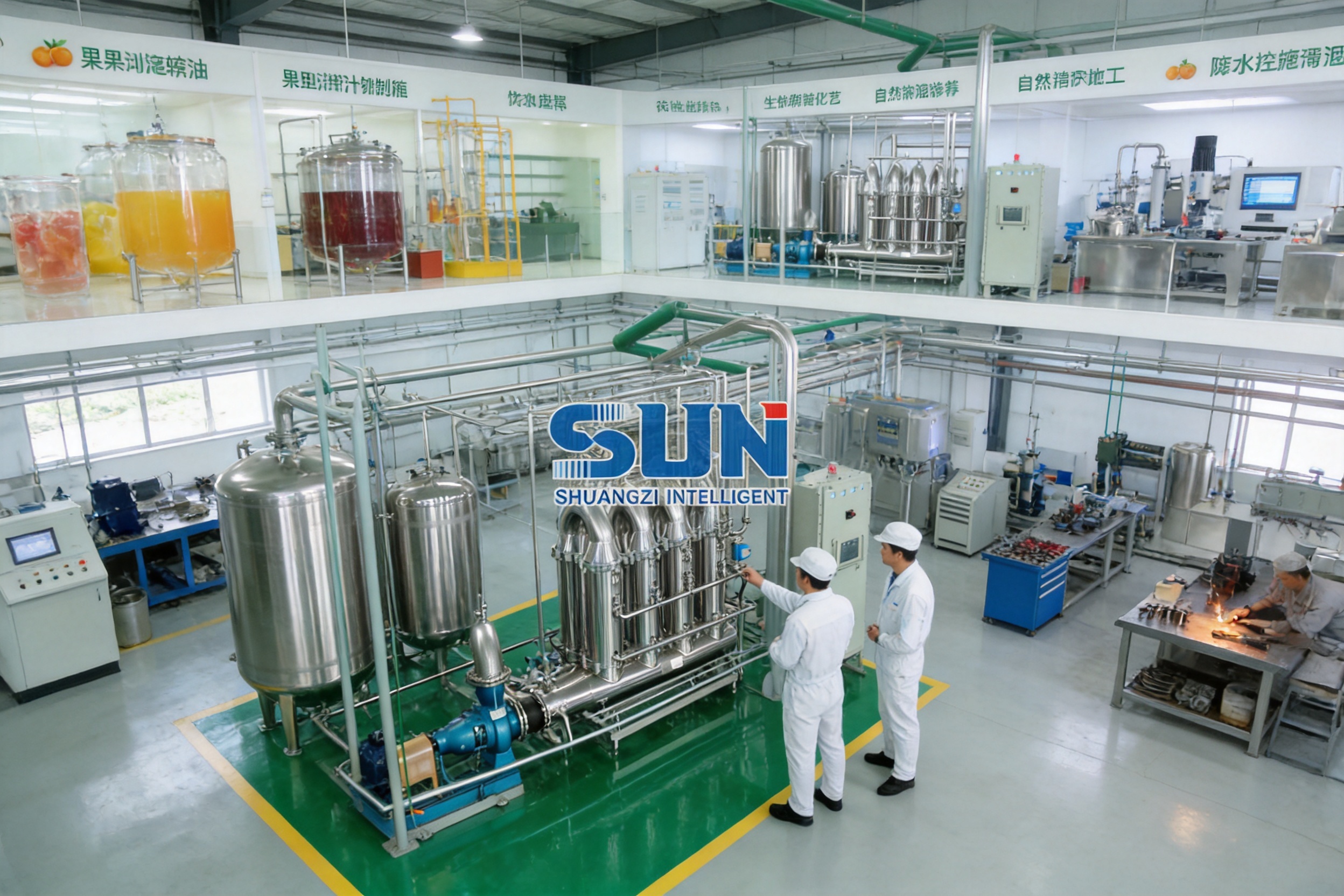
Behind a reliable membrane separation system is a manufacturing enterprise with engineering depth, production capacity, and process integration capability. Zhejiang Shuangzi Intelligent Equipment Co., Ltd. is a professional biology and medical equipment enterprise focused on EPC and EPCM services, process technology, automation engineering design, equipment manufacturing, matching purchase, installation, and system integration. The company serves fields such as plant extraction, biological fermentation, pharmaceutical engineering, natural food processing, energy conservation, and environmental protection.
Founded in 2007, the company has developed strong technical power and a mature industrial equipment portfolio. Its production base covers a floor area of 16,706 square meters and a structure area of 17,800 square meters. This scale supports manufacturing, assembly, testing, and project delivery for complete equipment systems rather than isolated components. For customers investing in production lines, this is important because membrane separation equipment often needs to connect with extraction tanks, evaporators, drying systems, fermentation systems, filtration units, storage vessels, pipelines, and automation controls.
The company’s mature product range includes vacuum low-temperature drying equipment, complete fermentation system equipment, evaporation and concentration equipment, extraction equipment, separation equipment, extraction and crystallization equipment, filtration equipment, containers, and other process products. This broad equipment foundation gives the company a practical advantage: it can design membrane separation not as a standalone machine but as one unit within a complete process route. When membrane filtration is properly positioned between extraction, concentration, drying, and packaging stages, the total production efficiency can be significantly improved.
The company emphasizes research and development in vacuum low-temperature drying, fermentation, extraction, concentration, and separation fields. It absorbs advanced industry technology and applies it to equipment design and manufacturing. This combination of process knowledge and fabrication capacity enables the company to serve users with engineering, process design, equipment design, installation, production line debugging, and turnkey project services.
A strong manufacturing process is also essential for equipment reliability. The company has introduced advanced welding and finishing equipment, including plasma argon arc welding machines, plasma cutting machines, CAM CNC machining centers, and other advanced production equipment. These manufacturing resources support accurate fabrication, high-quality welds, stable structural finishing, and better consistency across equipment units. In industries such as pharmaceuticals, food, and biological processing, weld quality, internal surface finish, hygienic structure, and dimensional precision directly affect cleaning performance and product safety.
Advanced Fabrication and Quality-Oriented Production
High-performance membrane separation equipment requires more than an appropriate membrane. The supporting skid, pressure-bearing components, pipework, pump mounting, flow channels, sealing structures, and control interfaces must be manufactured with accuracy. Poor welding, rough internal surfaces, dead corners, unstable alignment, or inadequate finishing can lead to contamination, cleaning difficulty, leakage, vibration, and shortened equipment life.
Advanced plasma argon arc welding helps create high-quality welds for stainless steel process equipment. Clean and consistent welds are especially important for food and pharmaceutical applications where product contact surfaces must resist corrosion and support effective cleaning. Plasma cutting improves the precision and cleanliness of material preparation, helping ensure better assembly quality. CAM CNC machining contributes to accurate component manufacturing, stable fit, and repeatable production. These manufacturing strengths are meaningful because membrane systems often include many connections, manifolds, flanges, supports, and high-flow sections where precision affects both performance and safety.
The company’s capability in finishing and equipment fabrication supports robust industrial use. In membrane equipment, vibration from pumps and flow velocity can stress pipework and joints. A well-manufactured skid with accurate alignment and stable supports helps reduce mechanical strain. Properly arranged pipelines reduce unnecessary pressure loss and improve cleanability. High-quality machining and assembly help ensure sealing reliability, which is crucial when processing valuable extracts, pharmaceutical intermediates, or biological products.
The production facility’s pilot production workshop and research and development platform are also important strengths. Pilot testing allows customers and engineers to evaluate process feasibility before large-scale investment. For plant extraction and fermentation materials, laboratory assumptions do not always translate directly to industrial operation because viscosity, solids content, fouling behavior, temperature sensitivity, and batch variation can differ. A pilot platform can help determine membrane suitability, operating pressure, circulation velocity, cleaning method, concentration ratio, and process sequence.
This pilot and research capability supports a more scientific project approach. Instead of simply selling a standard machine, the supplier can help users build a process route based on material behavior. This reduces project risk and improves the chance of achieving stable production after installation. For customers planning new production lines, upgrading outdated filtration equipment, or scaling from pilot research to industrial manufacturing, this engineering support is a major advantage.
Process Integration in Turnkey Projects
Membrane separation equipment is often most valuable when integrated into a complete production system. A plant extraction project may include raw material pretreatment, solvent or water extraction, solid-liquid separation, membrane clarification, concentration, precipitation, resin purification, sterilization, drying, powder collection, and packaging. A fermentation project may include media preparation, sterilization, fermentation, cell separation, membrane purification, concentration, crystallization, and drying. A food project may include blending, clarification, degerming, concentration, sterilization, storage, and filling. Each step affects the next.
The company’s EPC and EPCM service orientation allows it to provide engineering support beyond equipment supply. This includes process technology design, automation engineering design, equipment manufacture, matching purchase, installation, equipment system integration, line debugging, and turnkey delivery. For end users, this can simplify project management because process responsibility, equipment compatibility, and commissioning coordination are handled more systematically.
In many competing projects, users may purchase extraction tanks from one supplier, membrane systems from another, evaporators from another, and automation from a separate contractor. This can create interface problems. Flow rates may not match, control logic may not communicate properly, cleaning procedures may conflict, and installation responsibility may become unclear. An integrated equipment manufacturer with process design capability can reduce these risks by considering the entire line from the beginning.
For example, if membrane filtration is placed before evaporation, the membrane system must match the evaporator’s feed requirements. If the filtrate contains too many suspended solids, the evaporator may foul. If the membrane concentration ratio is too high, viscosity may increase and reduce flux. If the circulation tank is undersized, operation may become unstable. If the cleaning sequence is not coordinated with production scheduling, downtime may increase. Integrated engineering helps solve these issues during design rather than after installation.
Turnkey capability is especially valuable for overseas or cross-regional projects where local engineering resources may be limited. Customers can receive a more complete solution including process layout, equipment configuration, installation guidance, and commissioning support. This reduces uncertainty and helps shorten the path from project construction to stable production.
Competitive Advantages in Real Production
The competitive value of Plant Extraction Supporting Membrane Separation Equipment can be evaluated from several practical angles: separation precision, product protection, operating stability, cleaning capability, manufacturing quality, process integration, and supplier service capacity.
In separation precision, membrane equipment provides a defined barrier that can be selected according to the target process. This gives it an advantage over general filter screens or rough filtration media. For plant extracts and pharmaceutical liquids, defined separation helps maintain batch-to-batch consistency. In food and beverage applications, it improves clarity and reduces unwanted suspended solids.
In product protection, membrane separation can reduce excessive heat exposure. This is a major advantage for natural extracts, biological substances, aroma compounds, pigments, and fermentation products. By removing impurities and reducing load before thermal steps, membrane systems can help preserve product quality and reduce energy consumption downstream.
In operating stability, the cross-flow design supported by the circulating pump helps keep material moving across the membrane surface. This can reduce rapid blockage and extend filtration time compared with dead-end filtration. For feed streams containing particles, colloids, activated carbon, or fermentation residue, this design is especially important.
In cleaning capability, the equipment includes a cleaning process line that circulates cleaning solution through the membrane system. Effective cleaning is essential for restoring membrane flux and maintaining hygienic conditions. The ability to circulate cleaning solution through the ceramic membrane and related pathways supports repeatable operation between batches. For food and pharmaceutical users, cleaning design has direct implications for product safety and production scheduling.
In manufacturing quality, the company’s advanced welding, cutting, machining, and finishing equipment supports accurate and durable fabrication. Many low-cost competitors may focus only on basic assembly, but industrial users need stable welds, proper alignment, reliable seals, and hygienic surfaces. Manufacturing precision becomes even more important when equipment operates under pressure, high circulation velocity, or repeated cleaning cycles.
In process integration, the company’s experience across extraction, fermentation, evaporation, concentration, drying, crystallization, and filtration allows the membrane equipment to be matched with upstream and downstream systems. This is a significant advantage compared with suppliers that only provide a single filtration unit without understanding the complete production line.
In service capacity, the ability to provide process design, equipment design, installation, line debugging, and turnkey projects improves customer confidence. Industrial processing projects require not only equipment but also engineering decisions. A supplier with practical project experience can help reduce installation errors, shorten commissioning time, and support stable production.
Role in Food Safety and Pharmaceutical Quality
Food, beverage, biological, and pharmaceutical production all require strict attention to contamination control, repeatability, and cleaning. Membrane separation equipment contributes to these goals by reducing suspended matter, microorganisms, and process impurities. In mineral water clarification, the goal may be visual clarity and microbial control. In soy sauce and vinegar purification, the goal may be degerming and stability. In oral liquid production, the goal may be removal of fine particles and improvement of final appearance.
For pharmaceutical and biological products, impurity control is essential. Although the exact process must be validated according to the user’s product and regulatory requirements, membrane filtration can be an important part of a controlled production route. It can reduce load on downstream sterilization, improve consistency before concentration, and assist in separating undesired macromolecules or particles. When combined with appropriate sanitary design and cleaning procedures, the equipment can support high-standard production environments.
The company’s focus on automation engineering design is also relevant. Automated monitoring and control can reduce human error, stabilize pressure and flow, and improve batch records. In membrane filtration, pressure fluctuations, flow instability, or incorrect cleaning conditions can affect performance. Automation helps maintain set parameters and can make operation easier for production staff.
For food manufacturers, stable automated operation can support larger production volumes with consistent quality. For pharmaceutical and biological users, automation can support process repeatability and traceability. For plant extraction companies, it can help manage variable raw materials by allowing operators to adjust process parameters according to real-time conditions.
Cleaning, Maintenance, and Long-Term Operation
Membrane performance depends strongly on cleaning and maintenance. During filtration, retained particles, macromolecules, oils, pigments, proteins, polysaccharides, or salts may accumulate on or inside the membrane surface. If not controlled, this fouling can reduce flux, increase pressure, and shorten membrane life. Therefore, a properly designed cleaning process is essential.
The equipment includes a cleaning process line in which the circulation tank and feed pump deliver cleaning solution through the ceramic membrane. The system allows cleaning liquid to contact the membrane channels and remove deposits. Depending on the processed material, cleaning may involve water rinsing, alkaline cleaning, acid cleaning, enzymatic cleaning, oxidizing agents, or other suitable methods. The cleaning plan should be selected according to membrane material compatibility and product residue characteristics.
Ceramic membranes are often valued because they can tolerate more rigorous cleaning than many polymer membranes. This can be an advantage in applications involving oily wastewater, activated carbon, pigments, fermentation residue, or high-solids extracts. Stronger cleaning tolerance can help restore performance and extend usable life. However, correct operating conditions remain important. Excessive pressure, improper cleaning chemicals, sudden temperature changes, or poor pretreatment can still affect performance.
Routine maintenance should include inspection of pumps, seals, valves, instruments, pipelines, and membrane modules. Operators should monitor filtration flux, transmembrane pressure, circulation flow, feed temperature, and concentration ratio. Any sudden change may indicate fouling, blockage, air entry, pump wear, or process variation. Preventive maintenance reduces unplanned downtime and supports consistent production.
Training is also important. Membrane systems are efficient, but they require operators to understand circulation, pressure control, cleaning timing, and startup and shutdown procedures. As part of turnkey or system integration service, proper commissioning and staff training help ensure that users can operate the equipment safely and effectively after installation.
How the Equipment Supports Energy Conservation
Energy conservation is an important concern in extraction, fermentation, pharmaceutical, and food production. Evaporation and drying are typically energy-intensive processes. If a feed liquid contains large amounts of suspended solids or impurities, evaporators and dryers may operate less efficiently. Membrane separation can reduce impurity load and sometimes concentrate target components before evaporation, improving downstream efficiency.
By clarifying liquid before evaporation, the membrane system can reduce scaling and fouling in evaporator tubes or heat exchange surfaces. Cleaner feed can improve heat transfer, reduce cleaning frequency, and extend operating cycles. This can save steam, electricity, cleaning chemicals, and production time.
In wastewater treatment, membrane separation can reduce the volume of contaminated water requiring further treatment. In material recovery applications, valuable compounds can be separated and reused instead of being discharged. This supports both environmental protection and economic efficiency.
Compared with purely thermal separation, membrane separation can often work with lower energy input because it relies on pressure and selective permeation rather than phase change. While pumps consume electricity, the energy requirement may be favorable when membrane filtration replaces or reduces evaporation, centrifugation, repeated filtration, or chemical treatment steps. The actual energy savings depend on the process, material, and system design, but the potential is significant in well-engineered production lines.
Industrial Design Considerations for Different Materials
Different feed materials require different design choices. A fruit juice clarification system may prioritize aroma preservation, color stability, and microbial reduction. A fermentation broth system may require strong fouling control and cell separation. A plant extract system may need to handle tannins, polysaccharides, pigments, and fine fibers. Oily wastewater may require oil-resistant operation and pretreatment. Activated carbon recovery may involve abrasive particles and black suspension.
Important design parameters include membrane pore size, membrane material, membrane area, feed concentration, circulation velocity, operating pressure, temperature, viscosity, pH, cleaning method, and target filtrate quality. The eight-unit configuration with nineteen membrane tubes in each membrane unit provides an industrial basis for handling meaningful process volumes, but the exact capacity must be matched to customer requirements.
Material testing is often recommended before final equipment selection. Pilot trials can determine flux behavior, retention performance, cleaning recovery, and concentration limits. This is particularly important for plant extraction materials because botanical raw materials vary by origin, season, harvest conditions, and extraction method. A membrane system that works well for one extract may require adjustment for another.
The company’s pilot production workshop and research platform can support this evaluation process. By testing representative materials, engineers can recommend process parameters and system configurations that improve the likelihood of successful industrial operation. This practical approach is more reliable than selecting equipment only from theoretical capacity data.
Installation and Commissioning Value
Installation and commissioning are critical stages in every membrane separation project. Even well-designed equipment can underperform if installed incorrectly. Pipeline slope, pump direction, valve arrangement, electrical connection, instrument calibration, tank positioning, and cleaning access all affect operation. During commissioning, engineers must confirm flow direction, leak tightness, pressure control, circulation stability, cleaning function, and integration with upstream and downstream systems.
The company can provide installation and line debugging services, which helps customers move from equipment delivery to production more smoothly. In commissioning, process parameters can be adjusted according to actual material behavior. Operators can learn startup, operation, cleaning, shutdown, and troubleshooting procedures. Early optimization can prevent long-term problems such as insufficient flux, unstable pressure, incomplete cleaning, or mismatched downstream flow.
For turnkey projects, commissioning also involves coordination between different sections of the production line. The membrane system must receive feed at the correct temperature and solids level. The filtrate must flow to the correct storage, concentration, or sterilization step. The concentrate must be returned, recovered, or discharged according to process requirements. Automation signals must match the overall control strategy. A supplier with system integration experience can manage these details more effectively than a component-only supplier.
Typical Production Scenarios
In a plant extraction facility, the process may begin with raw herbal material extraction in water or solvent. After coarse separation, the extract still contains fine particles, colloids, and dissolved macromolecules. Membrane separation can clarify the extract before evaporation. This reduces evaporator fouling and improves final extract appearance. The clarified liquid may then be concentrated, dried, or further purified.
In a fruit juice production line, the membrane system can remove suspended solids and microorganisms while maintaining fresh flavor. Compared with heavy thermal treatment, membrane clarification can help preserve sensory characteristics. The filtrate may proceed to blending, sterilization, filling, or concentration.
In vinegar or soy sauce processing, degerming purification filtration can improve product stability. Membrane separation can remove unwanted microorganisms and turbidity-forming substances while preserving characteristic taste compounds. This helps manufacturers produce clearer and more stable products.
In fermentation product separation, the membrane can separate cells and insoluble residues from the fermentation broth. The clarified permeate may then enter purification, concentration, crystallization, or drying. This can reduce the load on centrifuges or filter presses and support continuous processing.
In wastewater treatment, oily or particle-containing wastewater can be processed to separate contaminants from water. The filtrate may enter further treatment or reuse pathways, while concentrate may be managed separately. This supports cleaner production and resource conservation.
Why Customers Choose a Process-Oriented Manufacturer
Customers do not purchase membrane separation equipment only for its physical structure. They purchase an expected process result: clearer liquid, higher purity, better concentration, lower waste, reduced operating cost, and more stable production. Achieving these results requires process understanding. A process-oriented manufacturer can analyze the customer’s material, production goal, capacity requirement, cleaning needs, and downstream process, then configure equipment accordingly.
Zhejiang Shuangzi Intelligent Equipment Co., Ltd. has developed experience in multiple related process areas, including plant extraction, fermentation, evaporation, concentration, separation, crystallization, filtration, and vacuum low-temperature drying. This gives the company a stronger ability to understand how membrane separation affects the whole production chain. Instead of treating filtration as an isolated step, the company can consider how it influences extraction yield, evaporation efficiency, drying quality, product stability, and waste management.
This approach is particularly beneficial for customers developing new products or scaling up pilot processes. Scaling up is not just a matter of increasing equipment size. Flow behavior, fouling, heat transfer, cleaning, batch scheduling, and automation all change with scale. A manufacturer with pilot testing and engineering capabilities can help customers avoid common scale-up mistakes.
For established factories, the benefit may come from process upgrading. Replacing outdated filtration methods with membrane separation can improve production efficiency and reduce manual labor. Integrating membrane systems with existing equipment can also extend the life of downstream evaporators or improve final product quality. With suitable design, the equipment can become a key upgrade point in modernization projects.
Q&A Section
What is the main purpose of Plant Extraction Supporting Membrane Separation Equipment?
The main purpose is to separate, clarify, purify, concentrate, or recover components from complex liquid or gas mixtures by using a membrane as a selective separation medium. In plant extraction, it is commonly used to remove fine particles, colloids, microorganisms, pigments, macromolecular impurities, or other unwanted substances before downstream concentration, drying, or refining.
How does the membrane separation process work?
The feed liquid is delivered to the membrane module by a feeding pump. A circulating pump maintains membrane surface velocity. Under pressure or another driving force, selected components pass through the membrane as filtrate, while retained components remain in the concentrate stream and circulate through the system. This enables controlled separation based on membrane characteristics and operating conditions.
What industries can use this equipment?
The equipment is suitable for plant extraction, bio-fermentation, pharmaceutical engineering, food and beverage processing, wastewater treatment, biological product refining, natural pigment production, oilfield reinjection water treatment, and other separation applications. It can be used for fruit juice clarification, soy sauce and vinegar degerming, fermentation product purification, oral liquid filtration, activated carbon recovery, sugar refining, and oily wastewater treatment.
What are the advantages compared with traditional filtration?
Compared with many traditional filtration methods, membrane separation can provide more consistent separation precision, reduce the need for filter aids, support continuous or semi-continuous operation, lower product loss, reduce manual handling, and improve downstream process efficiency. It is also suitable for heat-sensitive materials because it can operate at moderate temperatures.
Why is ceramic membrane technology useful for difficult materials?
Ceramic membranes are generally valued for mechanical strength, chemical resistance, temperature tolerance, and cleaning durability. These characteristics make them useful for materials containing particles, oils, pigments, activated carbon, fermentation residues, or other challenging impurities. Their robust nature can support longer service life when properly operated and cleaned.
Can the equipment be integrated into a complete production line?
Yes. The equipment can be integrated with extraction, fermentation, evaporation, concentration, crystallization, filtration, drying, storage, and automation systems. The manufacturer’s EPC and EPCM capabilities allow it to support process design, equipment manufacturing, installation, commissioning, and turnkey project delivery.
How is the membrane system cleaned?
The system includes a cleaning process line that circulates cleaning solution through the membrane modules and related pipelines. Cleaning methods depend on the processed material and membrane compatibility. Typical cleaning may include water rinsing and selected chemical cleaning procedures to remove organic, inorganic, oily, or particulate fouling.
What makes the manufacturer competitive?
The manufacturer combines process technology, automation engineering, equipment fabrication, installation, system integration, and turnkey project capability. It has advanced production equipment such as plasma argon arc welding machines, plasma cutting machines, and CAM CNC machining centers. It also has experience in plant extraction, fermentation, evaporation, concentration, separation, filtration, crystallization, and drying systems.
Is pilot testing important before buying a membrane system?
Pilot testing is highly valuable, especially for plant extracts, fermentation broths, natural pigments, and other complex materials. It helps determine flux, retention, cleaning recovery, concentration limits, and operating parameters. Pilot evaluation reduces scale-up risk and helps select a more suitable industrial configuration.
What benefits can users expect in downstream processes?
Users may achieve clearer feed for evaporation, reduced fouling in downstream equipment, improved product appearance, better microbial control, lower waste, higher material recovery, and improved production stability. The exact benefits depend on the material, membrane selection, system design, and operating conditions.
Conclusion
Plant Extraction Supporting Membrane Separation Equipment is a practical and advanced solution for modern industrial separation needs. By using selective membrane permeation, the system can clarify, purify, concentrate, and recover valuable components from complex process streams. Its configuration with membrane modules, feeding pump, circulating pump, raw material or circulation tank, filtrate outlet, concentrate loop, and cleaning line provides a strong foundation for stable cross-flow filtration.
The equipment is suitable for a wide range of applications, including oily wastewater treatment, particle-containing wastewater treatment, mineral water clarification, soy sauce and vinegar degerming, fruit juice and beverage filtration, alcohol clarification, fermentation product separation, biological product refining, Chinese patent medicine oral liquid filtration, activated carbon recovery, sugar refining, natural pigment production, oilfield reinjection water treatment, and high-temperature gas dust removal.
Its advantages over many competing or conventional technologies include physical separation without excessive additives, protection of heat-sensitive materials, stable clarification precision, continuous operation potential, strong cleaning capability, and integration with downstream concentration and drying processes. When supported by ceramic membrane technology, robust fabrication, and correct cleaning, the equipment can handle challenging feed streams while maintaining industrial reliability.
The manufacturing strength behind the equipment further increases its value. Zhejiang Shuangzi Intelligent Equipment Co., Ltd. combines EPC and EPCM project capability, process technology design, automation engineering, equipment manufacturing, installation, commissioning, and system integration. With a substantial production base, advanced welding and machining equipment, pilot testing resources, and experience across extraction, fermentation, evaporation, separation, crystallization, filtration, and drying, the company can provide not only a membrane filtration machine but a complete process solution.
For manufacturers seeking higher product quality, lower operating waste, improved automation, and more efficient downstream processing, this membrane separation equipment represents a strong investment. It supports the growing demand for cleaner production, natural ingredient preservation, pharmaceutical consistency, food safety, and environmental responsibility. In a market where separation quality directly affects final product value, choosing a process-oriented and manufacturing-capable supplier can make the difference between ordinary filtration and truly optimized industrial purification.
References
Baker, R. W. Membrane Technology and Applications. Wiley.
Mulder, M. Basic Principles of Membrane Technology. Springer.
Cheryan, M. Ultrafiltration and Microfiltration Handbook. CRC Press.
Rautenbach, R., and Albrecht, R. Membrane Processes. Wiley.
Singh, R. Hybrid Membrane Systems for Water Purification. Elsevier.
Grandison, A. S., and Lewis, M. J. Separation Processes in the Food and Biotechnology Industries. Woodhead Publishing.
Cui, Z. F., and Muralidhara, H. S. Membrane Technology: A Practical Guide to Membrane Technology and Applications in Food and Bioprocessing. Butterworth-Heinemann.