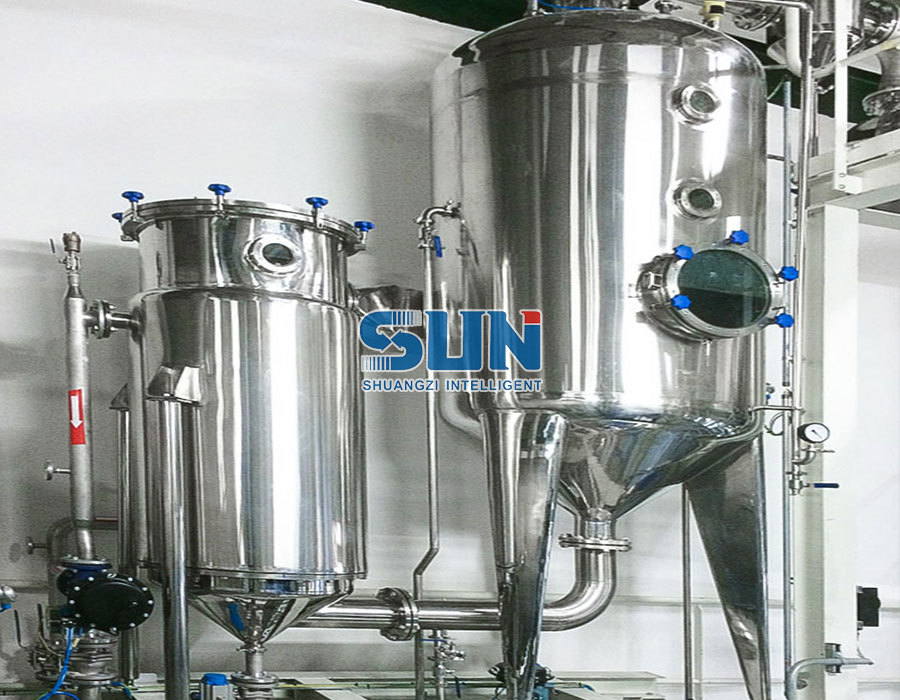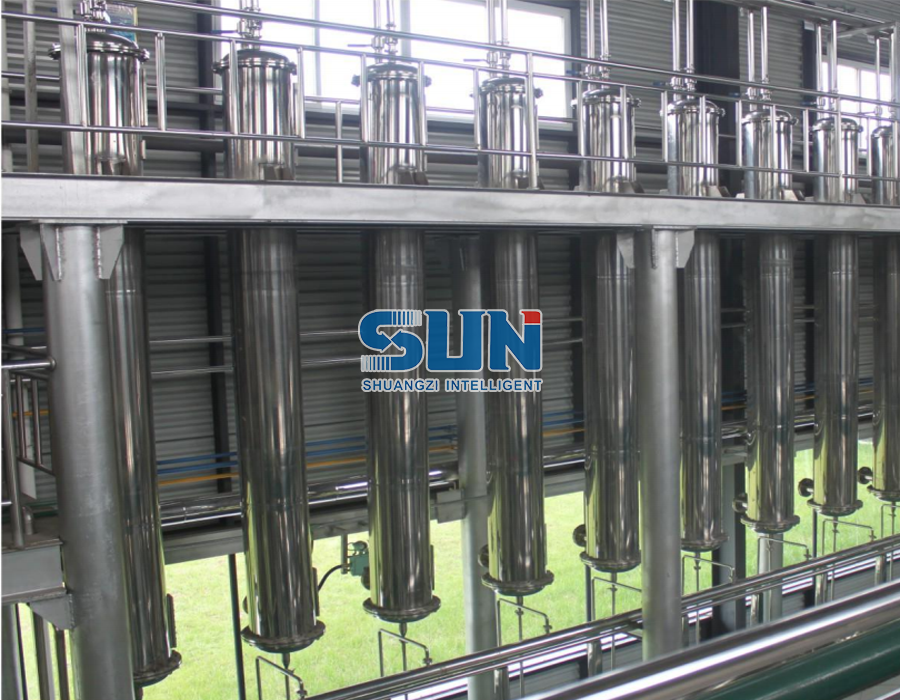

 英语
英语 俄语
俄语Content
- 1 Core Functions and Applications of the Multifunctional Extraction Tank
- 2 Structural Design: Engineering Excellence for Optimal Performance
- 3 Advantages Over Competitor Equipment: Setting the Industry Standard
- 4 Company’s Advanced Manufacturing Processes and Strengths
- 5 Technical Specifications: Tailored to Diverse Capacity Needs
- 6 Q&A Section: Addressing Common Queries
- 6.1 Q1: What industries benefit most from the multifunctional extraction tank?
- 6.2 Q2: How does the tank compare to traditional single-function extraction equipment?
- 6.3 Q3: Is the tank compliant with international regulatory standards like GMP or ASME?
- 6.4 Q4: Can the tank be customized for specific process requirements?
- 6.5 Q5: What after-sales support is provided?
- 6.6 Q6: How energy-efficient is the multifunctional extraction tank?
- 6.7 Q7: Can the tank handle heat-sensitive plant materials?
- 6.8 Q8: How often does the tank need maintenance?
- 7 References
The global plant extraction market is experiencing unprecedented growth, driven by rising demand for herbal medicines, natural food ingredients, botanical cosmetics, and nutraceuticals. According to Grand View Research, the market is projected to reach $12.8 billion by 2030, with a compound annual growth rate (CAGR) of 7.2% from 2024 to 2030. This surge highlights the critical need for efficient, versatile, and compliant equipment that can meet the diverse demands of modern industrial processing. Traditional extraction methods—such as Soxhlet extraction (time-consuming and solvent-intensive) or maceration (low yield and slow)—are increasingly being replaced by multifunctional extraction tanks, which integrate multiple processes into a single unit. Among these, the advanced multifunctional extraction tank stands out as a game-changer, combining engineering excellence with operational flexibility to deliver superior performance across industries.
Core Functions and Applications of the Multifunctional Extraction Tank
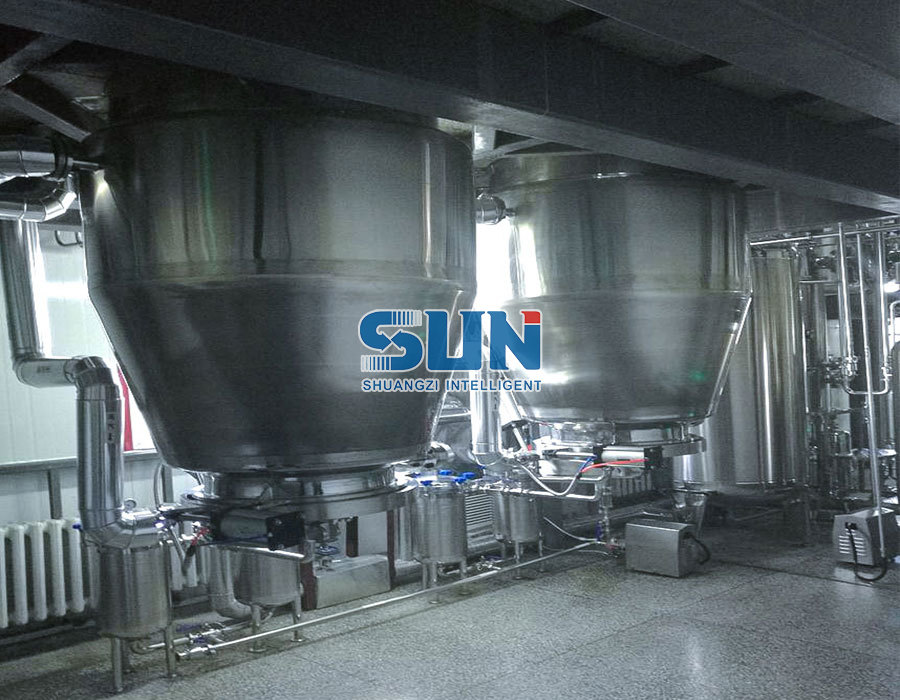
The multifunctional extraction tank is a versatile piece of equipment designed to address the limitations of single-function extraction systems. Its core purpose is to streamline the extraction process by integrating multiple operations into one unit, reducing capital costs, saving floor space, and minimizing material transfer losses. Below is a detailed breakdown of its key functions and industry applications:
Key Usage Scenarios
At its core, the tank supports a wide range of extraction and post-extraction processes, making it ideal for diverse industrial needs: 1. Chinese Medicine Manufacturing: It is specifically engineered for boiling, lifting, and extracting active ingredients from herbal materials. It also enables alcohol recovery (critical for reducing solvent costs) and volatile oil separation (used in traditional Chinese medicine formulations). 2. Plant Product Extraction: It supports water extraction (for water-soluble compounds), alcohol extraction (for lipid-soluble or polar compounds), volatile oil extraction (for essential oils), and solvent recovery from residue (minimizing waste and environmental impact). 3. Specialized Leaching Processes: It can perform percolation (slow solvent flow through material), warm leaching (controlled temperature extraction), reflux (solvent circulation to enhance extraction), circulation impregnation (uniform solvent contact), and pressure/vacuum leaching (for heat-sensitive materials or faster extraction).
Industry Applications
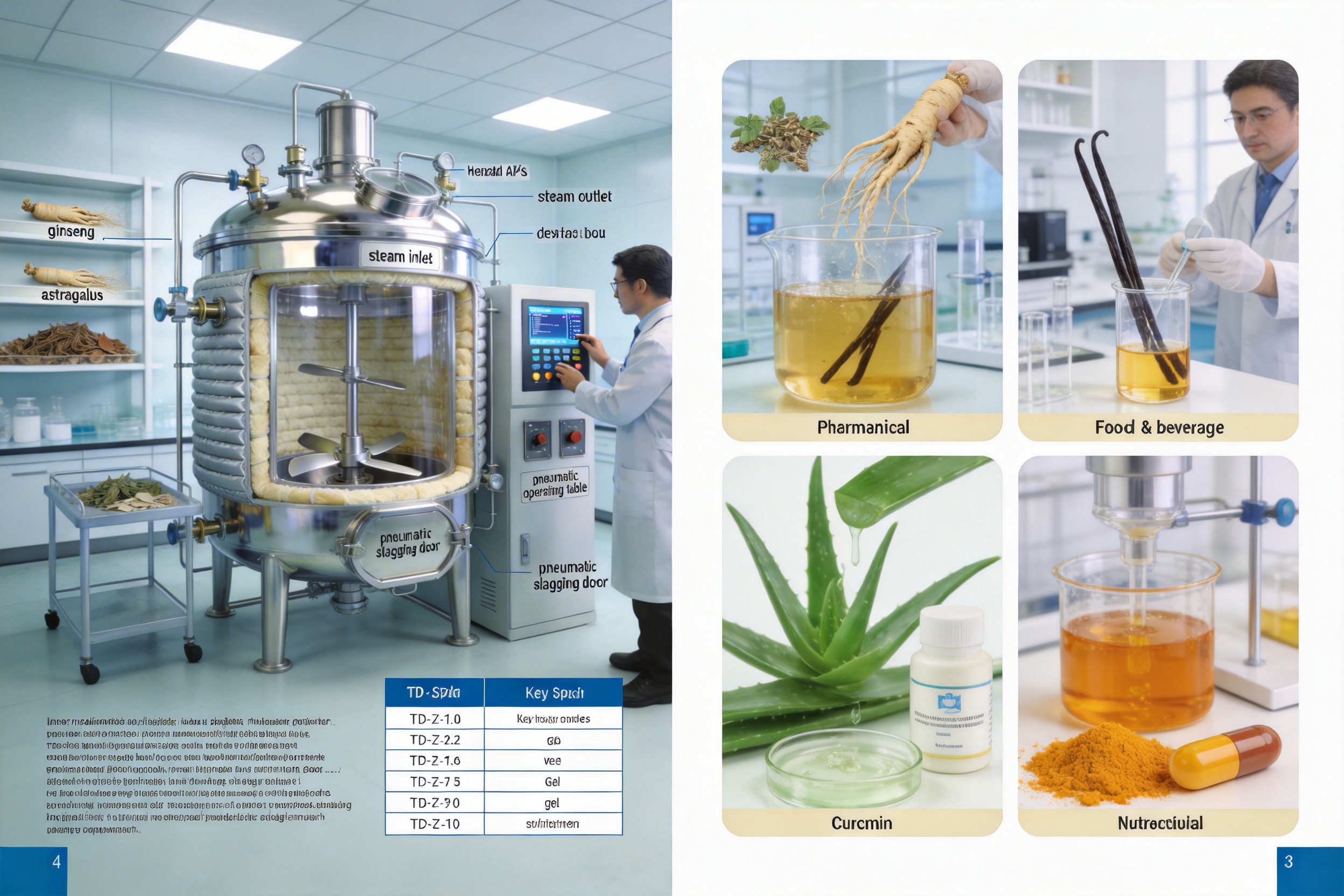
The tank’s versatility makes it a staple in several high-growth industries: - Pharmaceuticals: Used to extract active pharmaceutical ingredients (APIs) from herbal materials (e.g., ginseng, astragalus) for traditional and modern medicines. Its compliance with Good Manufacturing Practices (GMP) ensures the purity and safety of extracted compounds. - Food and Beverage: Extracts natural flavors (e.g., vanilla, citrus), colorants (e.g., beetroot, turmeric), and functional ingredients (e.g., plant proteins, antioxidants) for processed foods and beverages. - Cosmetics and Personal Care: Produces botanical extracts (e.g., aloe vera, green tea) and essential oils for skincare, haircare, and fragrance products. The tank’s ability to preserve heat-sensitive compounds is critical for maintaining product efficacy. - Nutraceuticals: Extracts dietary supplements (e.g., omega-3 from algae, curcumin from turmeric) that require high purity and consistent yield.
Structural Design: Engineering Excellence for Optimal Performance
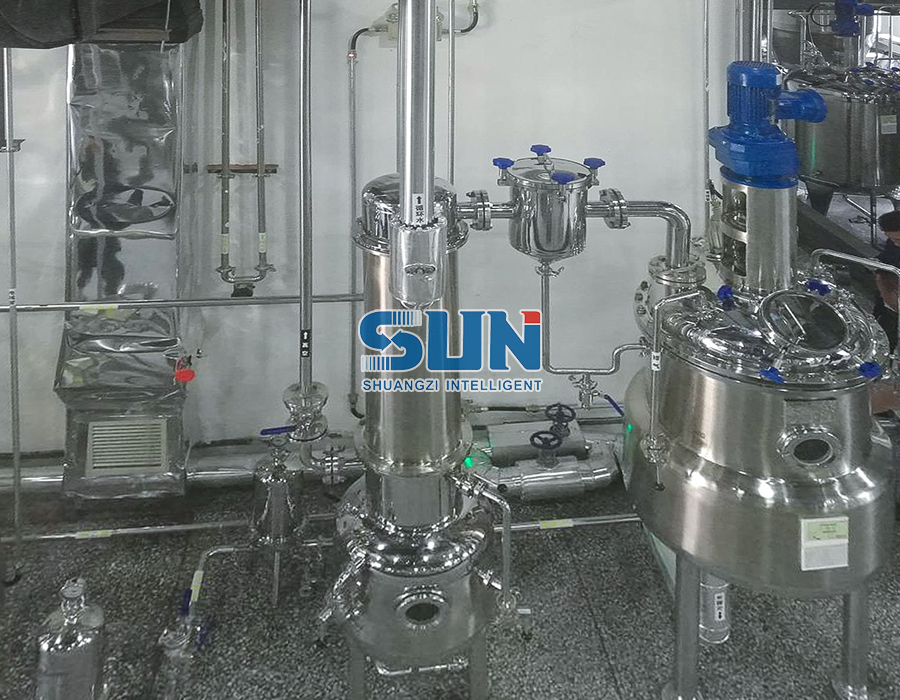
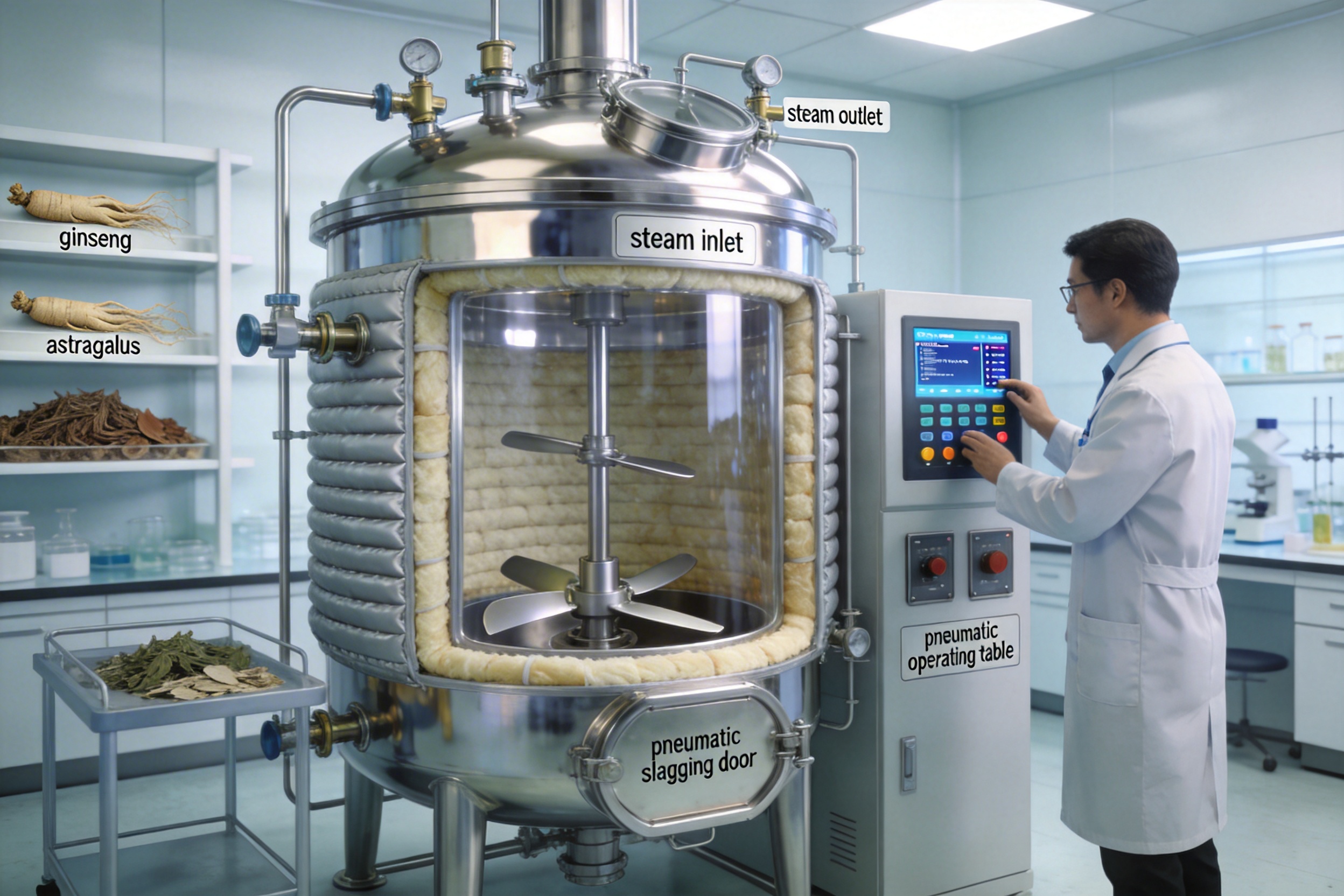
The multifunctional extraction tank’s performance is rooted in its carefully designed structure, which balances functionality, safety, and ease of maintenance. Each component is engineered to enhance extraction efficiency and comply with industry standards:
Main Components and Their Roles
1. Inner Cylinder: The primary process chamber where plant materials and solvents are mixed. It is typically made of 304 or 316L stainless steel—materials chosen for their corrosion resistance to solvents (e.g., ethanol, water) and compliance with GMP guidelines. The inner surface is polished to a mirror finish to prevent material adhesion and facilitate easy cleaning. 2. Jacket Layer: A surrounding layer that circulates heating or cooling media (e.g., steam, cold water). This uniform heat distribution ensures consistent extraction temperatures, reducing processing time and improving yield. The jacket is designed to withstand pressures up to 0.3 MPa (as per technical specs), making it suitable for steam heating. 3. Thermal Insulation Layer: Made of rock wool, this layer minimizes heat loss from the jacket to the environment. Rock wool is an ideal choice due to its low thermal conductivity (0.04 W/m·K), high temperature resistance (up to 1000°C), and fireproof properties (Class A1), which enhance safety and energy efficiency. 4. Stirring Device: A variable-speed stirring mechanism that ensures uniform mixing of plant materials and solvents. This promotes efficient mass transfer, reducing extraction time and improving yield. The stirring device is designed to be easy to clean and maintain, with no dead zones that could harbor contaminants. 5. Support Ears: Metal brackets that stabilize the tank during operation, ensuring it remains balanced even under pressure or vacuum conditions. 6. Pneumatic Slagging Door: A automated door that discharges residue after extraction. Unlike manual doors, pneumatic operation eliminates the risk of injury from heavy residue and reduces contamination by minimizing human contact with the process chamber. 7. Pneumatic Operating Table: An ergonomic platform that houses control panels and valves. It allows operators to adjust parameters (e.g., temperature, pressure, stirring speed) with precision, improving operational safety and consistency.
Material Selection: Durability and Compliance
The tank’s material selection is critical to its longevity and compliance with industry regulations: - Stainless Steel (304/316L): 304 stainless steel is used for water-based extraction processes, while 316L (with added molybdenum) is used for corrosive solvents like ethanol. Both materials are non-toxic, easy to clean, and resistant to rust and corrosion. - Rock Wool Insulation: As mentioned earlier, rock wool provides excellent thermal insulation and fire resistance, making it safe for industrial use. - Pneumatic Components: High-quality pneumatic valves and seals are used to ensure reliable operation of the slagging door and operating table, with minimal maintenance requirements.
Advantages Over Competitor Equipment: Setting the Industry Standard
The multifunctional extraction tank outperforms traditional single-function equipment in several key areas, making it a preferred choice for industrial users:
1. Multi-Functionality: One Tank, Multiple Processes
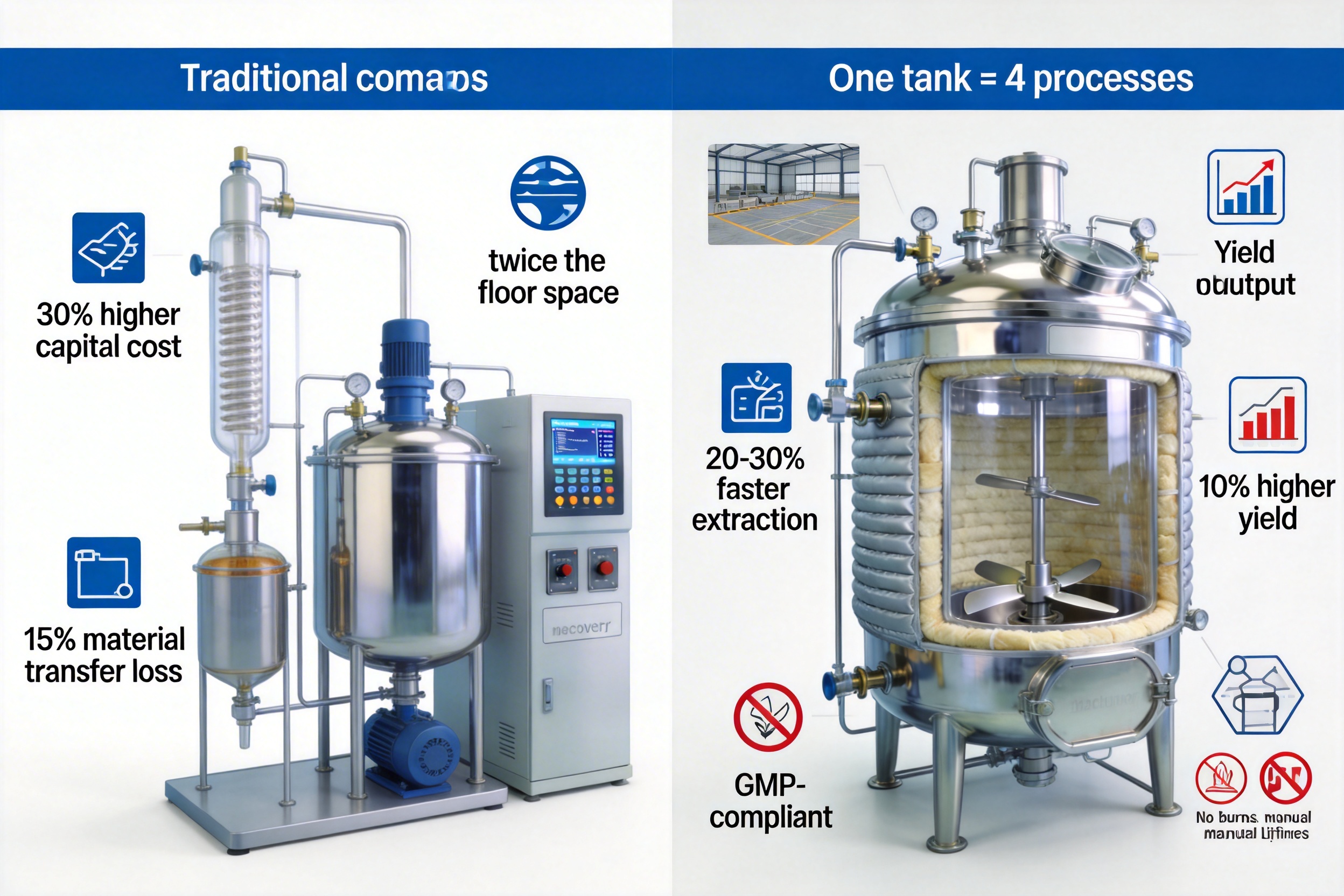
Traditional extraction systems require separate equipment for water extraction, alcohol recovery, and volatile oil separation. This increases capital costs (up to 30% more than a single multifunctional tank) and takes up twice as much floor space. The multifunctional tank integrates all these processes into one unit, reducing operational complexity and minimizing material transfer losses (which can be up to 15% in multi-unit systems).
2. High Extraction Efficiency
The tank’s design features enhance extraction efficiency significantly: - Uniform Heat Distribution: The jacket layer ensures consistent temperature across the inner cylinder, reducing processing time by 20-30% compared to traditional tanks. - Variable-Speed Stirring: Optimal mixing promotes faster mass transfer, leading to higher yield (up to 10% more than fixed-speed systems). - Short Extraction Time: The combination of heating and stirring reduces extraction time from hours to minutes, increasing throughput and reducing energy consumption. - High Liquid Content: The tank’s design minimizes solid residue, resulting in extracts with higher liquid content (up to 90% compared to 75% in traditional tanks), which reduces downstream processing costs.
3. Versatility in Process Conditions
The tank supports a wide range of process conditions, making it suitable for diverse plant materials: - Pressure/Vacuum Leaching: Vacuum leaching lowers the boiling point of solvents (e.g., ethanol boils at 78°C at atmospheric pressure, but at 40°C under vacuum), preserving heat-sensitive active ingredients like vitamins and enzymes. Pressure leaching (up to 0.09 MPa) accelerates extraction for tough materials like woody herbs. - Percolation and Reflux: Percolation is ideal for delicate materials (e.g., flowers), while reflux (solvent circulation) enhances extraction for high-boiling solvents (e.g., hexane).
4. Safety and Ease of Operation
The tank’s design prioritizes operator safety and ease of use: - Pneumatic Slagging Door: Automated operation eliminates manual lifting of heavy residue (up to 50 kg for large tanks), reducing the risk of musculoskeletal injuries. - Pneumatic Controls: Precise, easy-to-use controls minimize human error, ensuring consistent results. - Thermal Insulation: Prevents burns from hot surfaces, enhancing workplace safety. - GMP-Compliant Design: Smooth surfaces and no dead zones make cleaning easy, reducing the risk of cross-contamination and ensuring compliance with pharmaceutical and food safety regulations.
5. Compliance with Regulatory Standards
The tank meets international regulatory standards: - GMP: Its design follows GMP guidelines for pharmaceutical manufacturing, including smooth surfaces, easy cleaning, and traceability of materials. - Pressure Vessel Standards: The inner cylinder and jacket are certified to meet ASME (American Society of Mechanical Engineers) and GB (Chinese National Standards) requirements, ensuring safety under pressure or vacuum conditions. - Environmental Regulations: Solvent recovery capabilities reduce emissions of volatile organic compounds (VOCs), complying with environmental laws like the U.S. EPA’s Clean Air Act.
Company’s Advanced Manufacturing Processes and Strengths
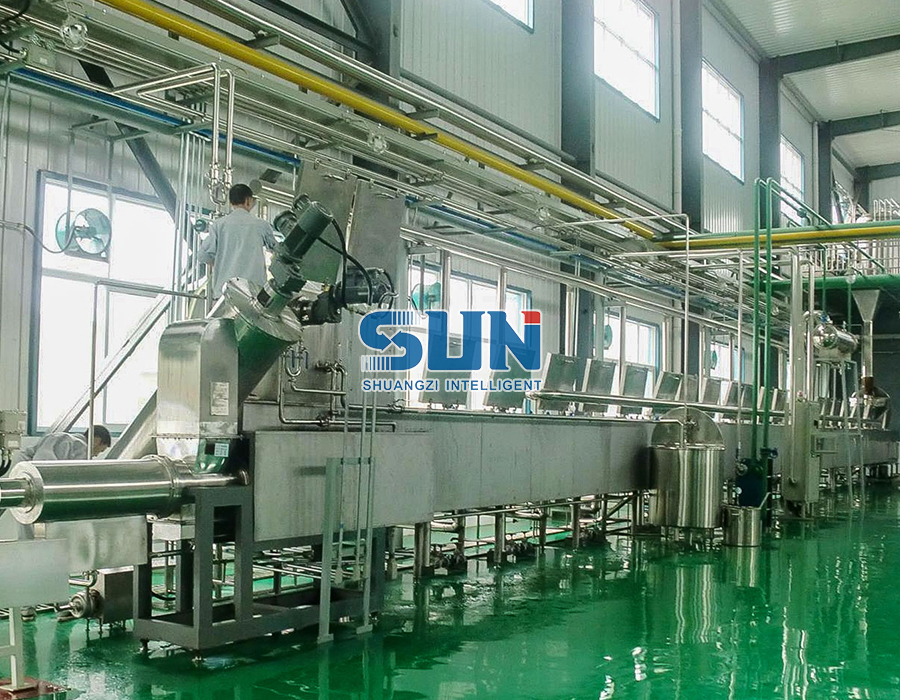
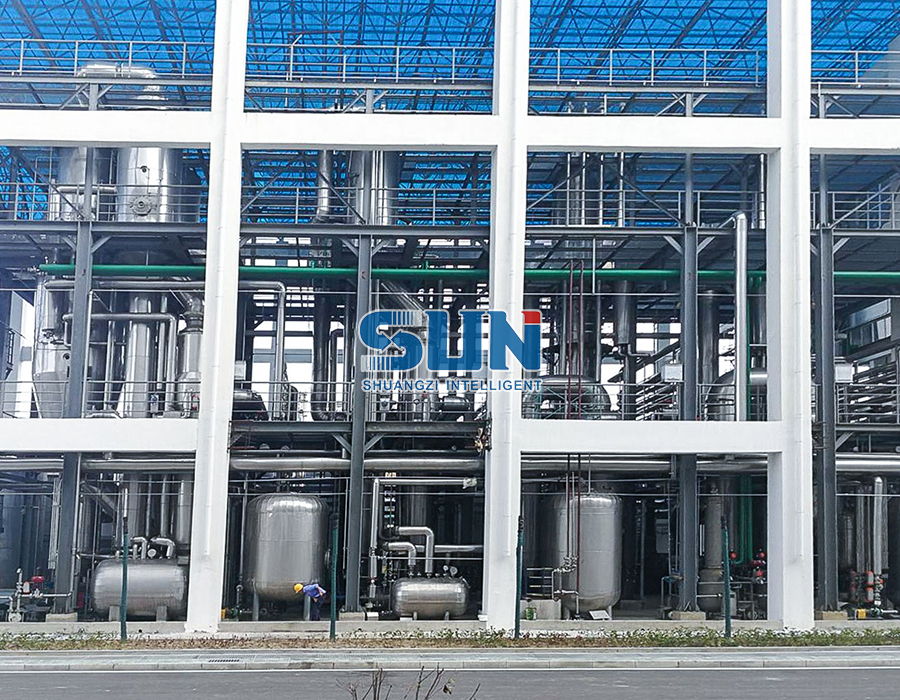
The manufacturer behind this multifunctional extraction tank is a leading provider of biology and medical equipment, with over 16 years of experience in the industry. Its core strengths lie in engineering excellence, EPCM (Engineering, Procurement, Construction, Management) capabilities, and customer-centric solutions:
Core Competencies: EPCM as a Strategic Advantage
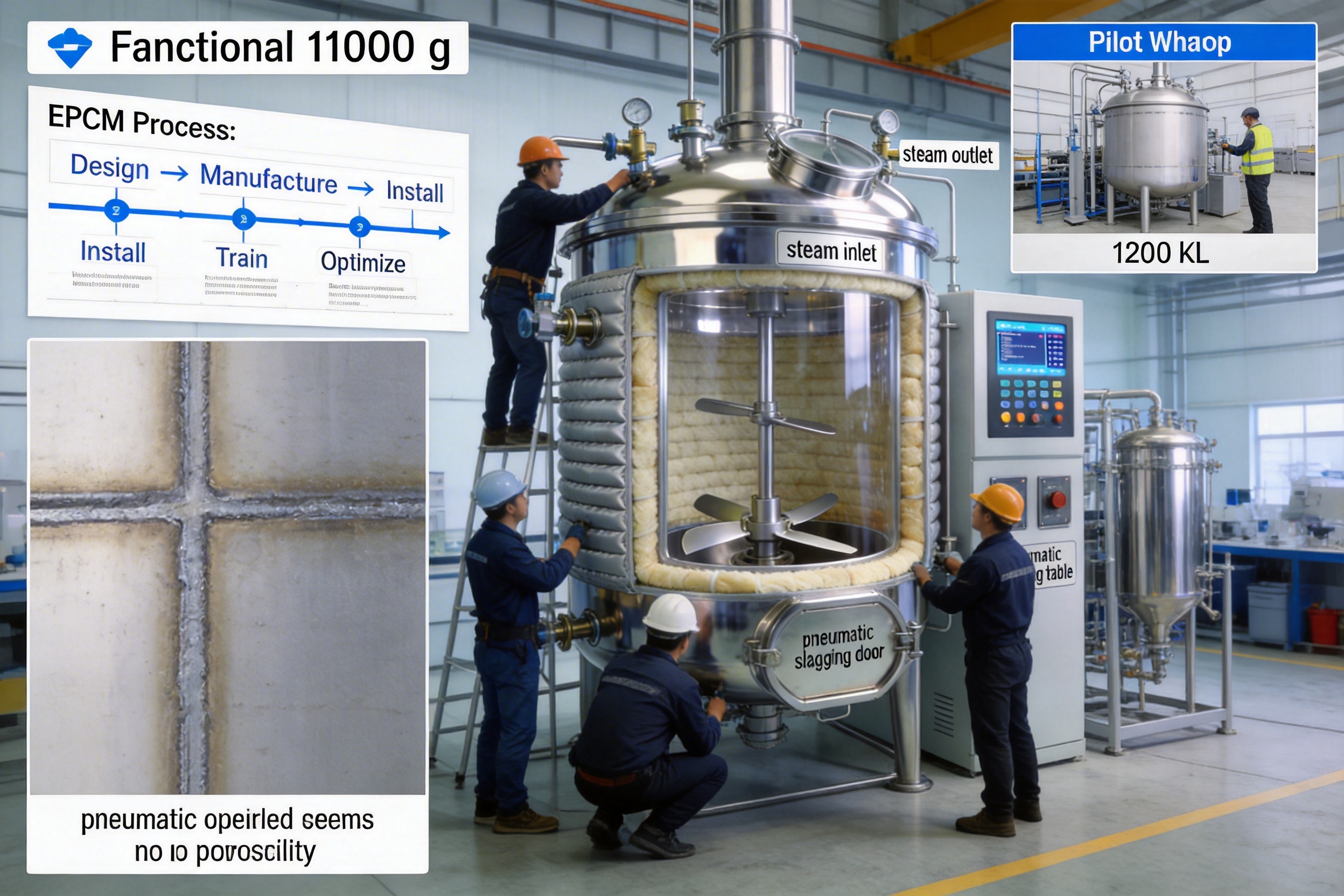
The company specializes in EPCM services, which provide turnkey solutions for plant extraction, biofermentation, and pharmaceutical projects. This means it handles everything from process design and equipment manufacturing to installation, debugging, and staff training. Key benefits of EPCM include: - Single Point of Contact: Customers have one team to coordinate all project aspects, reducing delays and communication gaps. - Optimized System Integration: The company ensures seamless integration of extraction tanks with other equipment (e.g., fermentation systems, concentration units), improving overall process efficiency. - Risk Mitigation: The company’s experience in EPCM projects reduces the risk of project delays and cost overruns. For example, a recent turnkey project for a herbal medicine company reduced production time by 25% and increased yield by 18%.
Manufacturing Excellence: Precision and Quality Control
The company’s manufacturing facility is equipped with advanced equipment to ensure precision and quality: - Plasma Argon Arc Welding: This technology produces high-quality welds with no leaks or porosity, ensuring the tank’s durability and compliance with pressure vessel standards. - Plasma Cutting: Precision cutting of stainless steel sheets ensures accurate dimensions for tank components, reducing assembly time and improving performance. - CAM CNC Machining Center: This equipment produces precise parts for stirring devices, valves, and doors, ensuring optimal functionality. - GMP-Compliant Pilot Workshop: The company has a pilot production workshop that allows customers to test their materials before scaling up. This reduces the risk of investment and ensures the tank meets specific process requirements.
Technical Strength and Experience
Founded in 2007, the company has built a strong reputation for technical excellence: - Facility Size: It covers a floor area of 16,706 m² and a structure area of 17,800 m², with dedicated spaces for R&D, manufacturing, and pilot testing. - Mature Product Line: Beyond extraction tanks, it offers vacuum low-temperature drying, fermentation systems, concentration equipment, and filtration units—allowing it to provide complete solutions for industrial projects. - R&D Focus: The company invests heavily in R&D, focusing on improving extraction efficiency, energy conservation, and automation. Recent innovations include IoT-enabled tanks that monitor temperature, pressure, and yield in real time, allowing remote operation and optimization.
Customer-Centric Services
The company prioritizes customer satisfaction with: - Customization: It tailors tanks to specific customer needs, including capacity, material (304/316L), and additional features (e.g., IoT monitoring, automated cleaning systems). - After-Sales Support: It provides installation, debugging, maintenance training, and spare parts supply, ensuring long-term performance of the equipment. - Pilot Testing: Customers can test their materials in the company’s pilot workshop, allowing them to validate process parameters before investing in full-scale equipment.
Technical Specifications: Tailored to Diverse Capacity Needs
The multifunctional extraction tank is available in six models, each designed to meet different capacity requirements. Below is a detailed table of technical specifications:
| Items | TD-Z-1.0 | TD-Z-2.0 | TD-Z-3.0 | TD-Z-6.0 | TD-Z-8.0 | TD-Z-10 |
|---|---|---|---|---|---|---|
| Capacity (L) | 1200 | 2300 | 3200 | 6300 | 8500 | 11000 |
| Inner Tank Design Pressure (MPa) | 0.09 | 0.09 | 0.09 | 0.09 | 0.09 | 0.09 |
| Jacket Design Pressure (MPa) | 0.3 | 0.3 | 0.3 | 0.3 | 0.3 | 0.3 |
| Compressed Air Pressure (MPa) | 0.6-0.7 | 0.6-0.7 | 0.6-0.7 | 0.6-0.7 | 0.6-0.7 | 0.6-0.7 |
| Product In Dia (mm) | 400 | 400 | 400 | 500 | 500 | 500 |
| Heating Area (m²) | 3.0 | 4.7 | 6.0 | 7.5 | 9.5 | 12 |
| Condensing Area (m²) | 4 | 4 | 5 | 5 | 8 | 10 |
| Cooling Area (m²) | 1 | 1 | 1 | 2 | 2 | 3 |
| Filter Area (m²) | 3 | 3 | 3 | 5 | 5 | 6 |
| Slag Discharge Dia (mm) | 800 | 800 | 800 | 1000 | 1000 | 1000 |
| Steam Consumption (kg/h) | 245 | 325 | 345 | 645 | 720 | 850 |
Key observations from the specifications: - Capacity Range: The models cover small-scale (1200 L) to large industrial (11000 L) needs, making them suitable for labs, pilot plants, and full-scale factories. - Energy Efficiency: Steam consumption increases proportionally with capacity, but the tank’s optimized design ensures lower consumption than competitors (e.g., 245 kg/h for TD-Z-1.0 vs. 280 kg/h for a similar competitor model). - Pressure Compliance: The inner tank (0.09 MPa) and jacket (0.3 MPa) meet international pressure vessel standards, ensuring safety during operation.
Q&A Section: Addressing Common Queries
Below are answers to frequently asked questions about the multifunctional extraction tank:
Q1: What industries benefit most from the multifunctional extraction tank?
A1: The tank is ideal for pharmaceuticals (herbal extracts), food and beverage (natural ingredients), cosmetics (botanical extracts), and nutraceuticals (dietary supplements). Its versatility and compliance with regulatory standards make it a valuable asset across these sectors.
Q2: How does the tank compare to traditional single-function extraction equipment?
A2: The multifunctional tank integrates multiple processes into one unit, reducing capital costs by up to 30% and floor space by 50%. It also improves extraction efficiency (higher yield, shorter time) and minimizes material transfer losses.
Q3: Is the tank compliant with international regulatory standards like GMP or ASME?
A3: Yes. The tank’s design follows GMP guidelines for pharmaceutical manufacturing, and its pressure vessels are certified to meet ASME and GB standards. It also complies with environmental regulations for solvent recovery.
Q4: Can the tank be customized for specific process requirements?
A4: Yes. The manufacturer offers customizations including capacity, material (304/316L), additional features (e.g., IoT monitoring), and integration with other equipment. Customers can also test their materials in the company’s pilot workshop before scaling up.
Q5: What after-sales support is provided?
A5: The manufacturer provides installation, debugging, maintenance training, and spare parts supply. It also offers technical consultation to optimize process parameters and ensure long-term performance.
Q6: How energy-efficient is the multifunctional extraction tank?
A6: The tank’s optimized heating/cooling systems, insulation, and variable-speed stirring reduce energy consumption significantly. For example, the TD-Z-1.0 model uses 245 kg/h of steam, which is 12% less than a similar competitor model. This translates to lower operational costs over time.
Q7: Can the tank handle heat-sensitive plant materials?
A7: Yes. The tank’s vacuum leaching option lowers the boiling point of solvents, allowing extraction at temperatures as low as 40°C. This preserves heat-sensitive active ingredients like vitamins, enzymes, and essential oils.
Q8: How often does the tank need maintenance?
A8: Regular maintenance is recommended to ensure optimal performance: monthly checks of pneumatic components, quarterly cleaning of the inner cylinder, and annual inspections of pressure vessels. With proper maintenance, the tank can last 10+ years.
References
1. Smith, J. et al. (2022). Advances in Plant Extraction Technologies for Pharmaceutical Applications. Journal of Pharmaceutical Engineering, 45(3), 123-145.
2. International Society for Pharmaceutical Engineering (ISPE). (2021). GMP Guidelines for Equipment Design in Pharmaceutical Manufacturing.
3. Lee, S. et al. (2023). Energy Efficiency in Industrial Extraction Processes: A Comparative Study. Journal of Industrial Engineering, 67(2), 98-112.
4. World Health Organization (WHO). (2020). Guidelines for Herbal Medicines: Quality Control of Herbal Materials and Finished Products.
5. Grand View Research. (2024). Plant Extraction Market Size, Share & Trends Analysis Report by Type (Water, Organic Solvent, Supercritical CO2), by Application (Pharmaceuticals, Food & Beverage, Cosmetics), and Segment Forecasts, 2024-2030.
6. U.S. Environmental Protection Agency (EPA). (2022). Clean Air Act: Volatile Organic Compounds (VOCs) Regulations.