
 英语
英语 俄语
俄语Content
- 1 Product Overview
- 2 Core Product Specifications
- 3 Why Stainless Steel Is the Preferred Material
- 4 Closed and Integrated Structure for Contamination Control
- 5 Mechanical Stirring for Efficient Oxygen Transfer
- 6 Process Control Interfaces for Fermentation Accuracy
- 7 Sterilization in Place for Safer Operation
- 8 Observation and Operator Convenience
- 9 Adaptability to Different Fermentation Processes
- 10 Advantages Over Competitor Fermentation Equipment
- 11 Manufacturing Strength and Engineering Capability
- 12 From Process Design to Turnkey Project Delivery
- 13 Research, Pilot Production, and GMP-Oriented Platform
- 14 Applications in Dairy and Food Fermentation
- 15 Applications in Beverages and Fruit Wine
- 16 Applications in Biotechnology and Pharmaceutical Engineering
- 17 Applications in Microbial Fertilizer and Agricultural Biotechnology
- 18 Design Considerations for Selecting a Fermentation System
- 19 Long-Term Value and Return on Investment
- 20 Quality Built Through Advanced Manufacturing
- 21 Q&A Section
- 21.1 What is a stainless steel biological fermentation system used for?
- 21.2 What capacities are available?
- 21.3 Which stainless steel materials can be selected?
- 21.4 Why is mechanical stirring important?
- 21.5 What process parameters can be monitored?
- 21.6 How does the system reduce contamination risk?
- 21.7 Can the equipment be used for pilot fermentation?
- 21.8 What makes this system different from basic fermentation tanks?
- 21.9 Can it be integrated into a turnkey production line?
- 21.10 Which industries benefit most from this equipment?
- 22 Conclusion
- 23 References
- 24 Product: Stainless Steel Fermenter Biological fermentation system
Modern biological production depends on fermentation systems that can maintain stable sterility, precise process control, efficient oxygen transfer, reliable mixing, and repeatable performance from laboratory scale to industrial scale. A stainless steel fermenter biological fermentation system is designed to meet these demands for dairy processing, beverage production, fruit wine fermentation, biotechnology, pharmaceutical intermediates, microbial fertilizer, enzymes, precision chemicals, and other bio-based manufacturing applications.
The system discussed in this article is a closed stainless steel bioreactor solution with mechanical agitation, in-place sterilization capability, sanitary interfaces, process monitoring ports, and customizable capacity from 50 L to 500,000 L. It is suitable for microbial and cell culture processes that require controlled temperature, pH, dissolved oxygen, aeration, defoaming, inoculation, sampling, feeding, exhaust handling, and clean operation.
Unlike simple storage tanks or open fermentation vessels, this biological fermentation system is engineered as an integrated process unit. It combines a tank body, tank cover, agitator, mechanical seal, inlet and outlet connections, exhaust system, temperature control, pH interface, dissolved oxygen interface, inoculation port, defoaming alarm port, viewing mirror, and sanitary pipeline design. These features help users reduce contamination risk, improve fermentation consistency, and build scalable production lines.
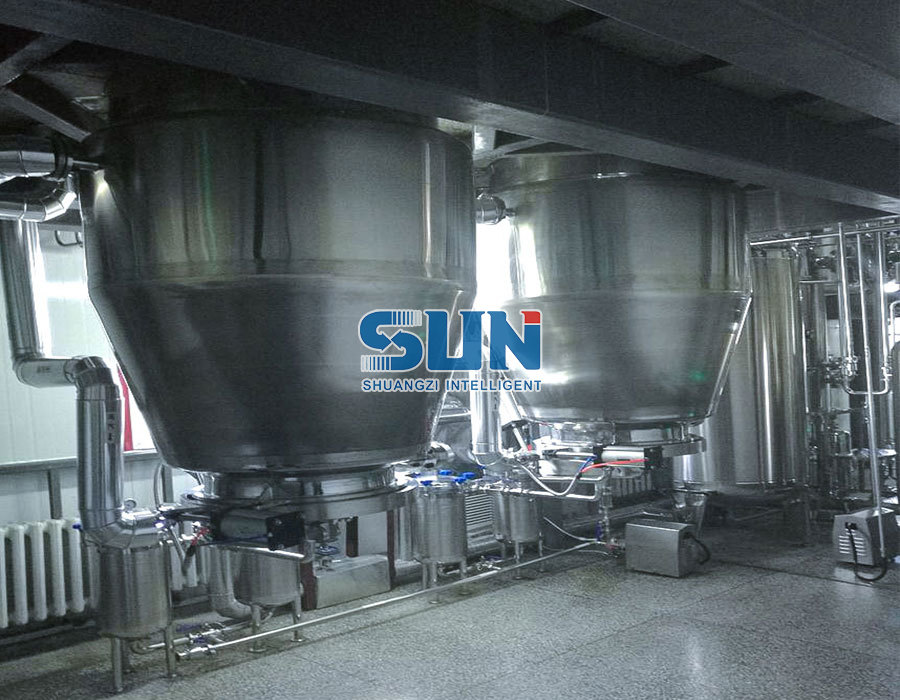
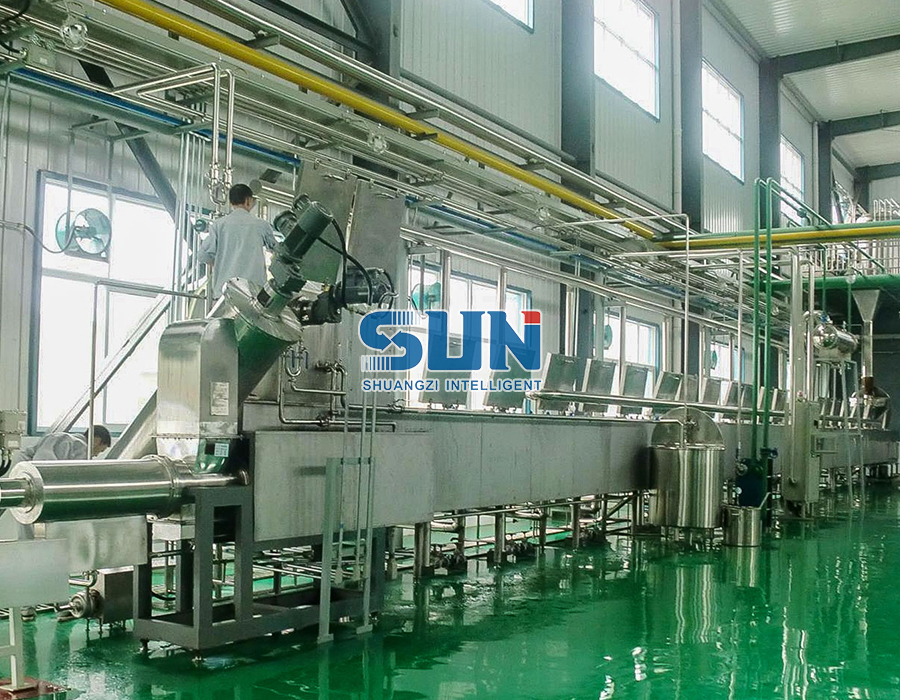
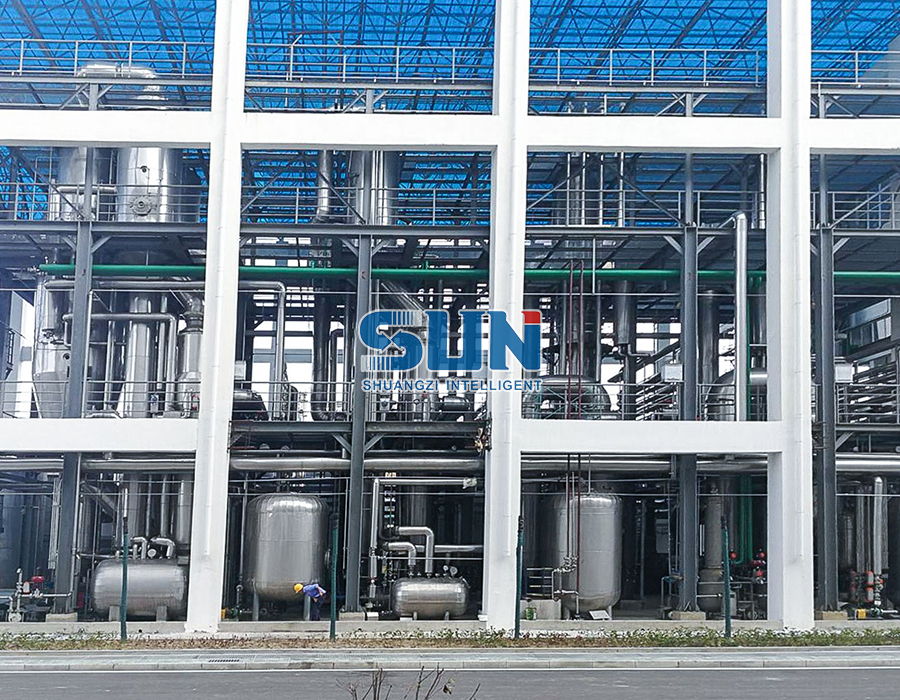
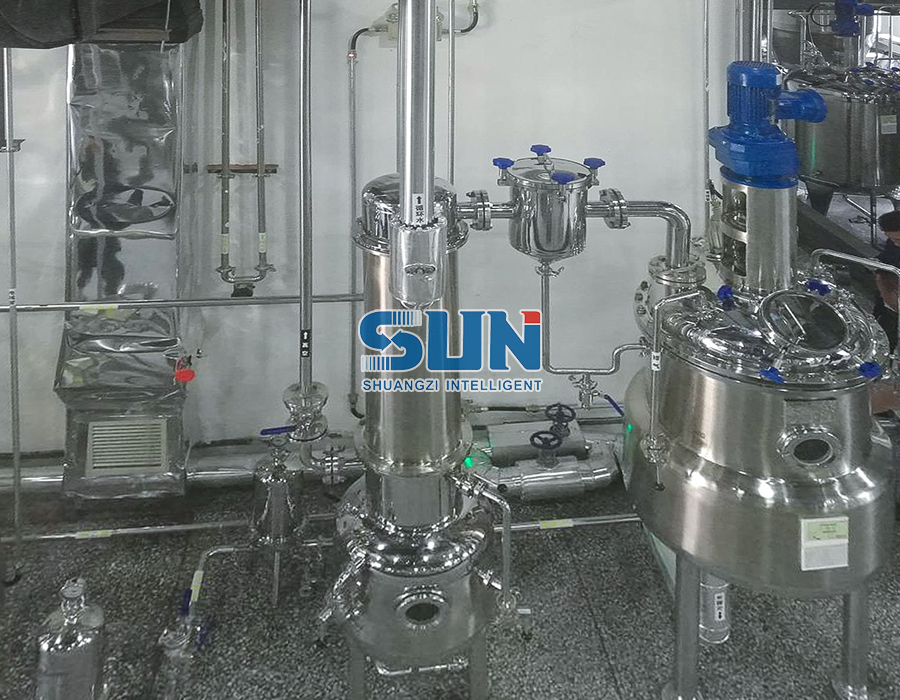
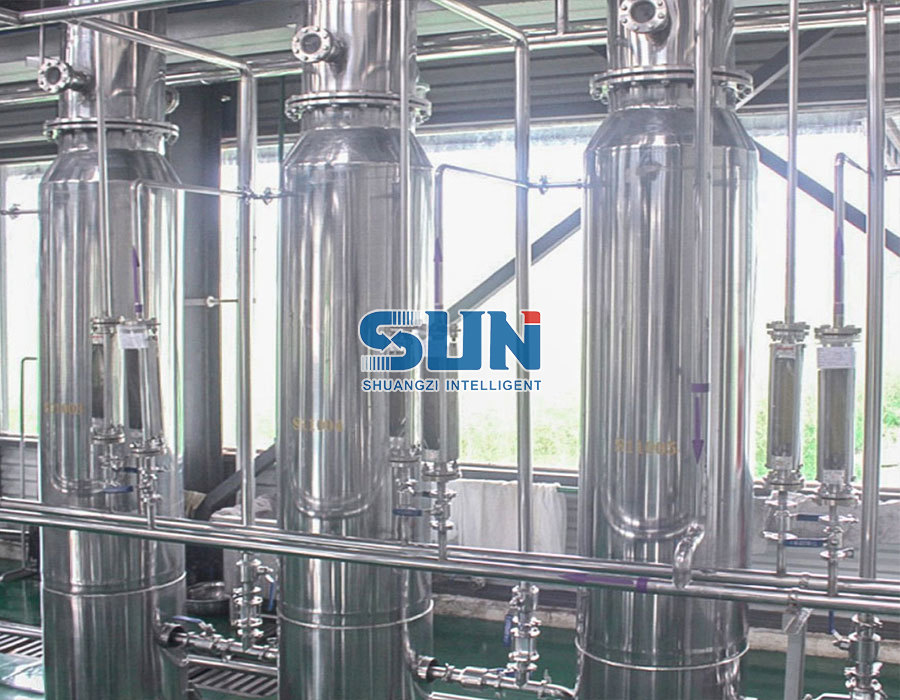
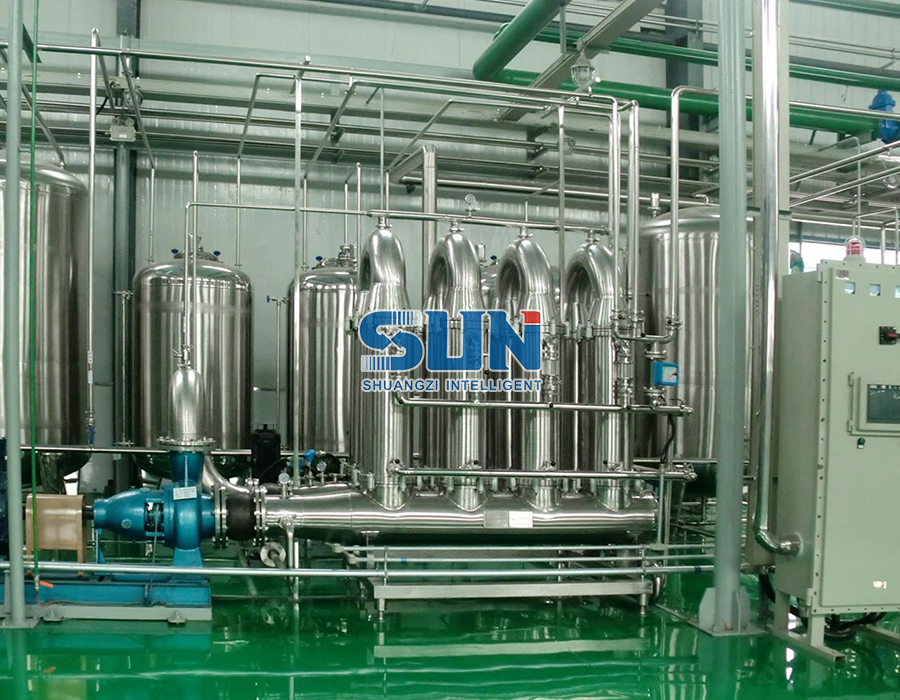
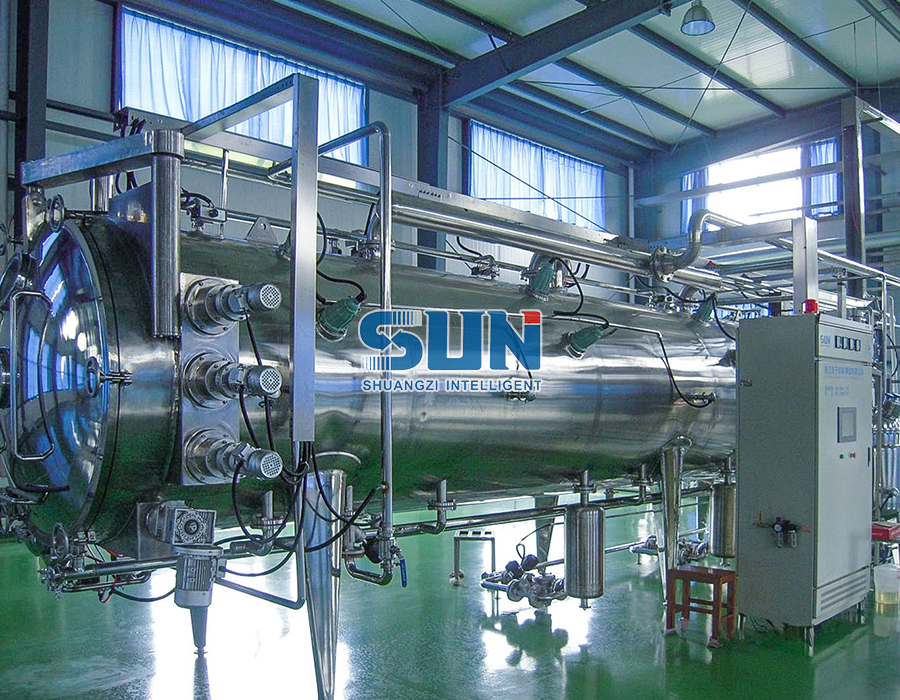
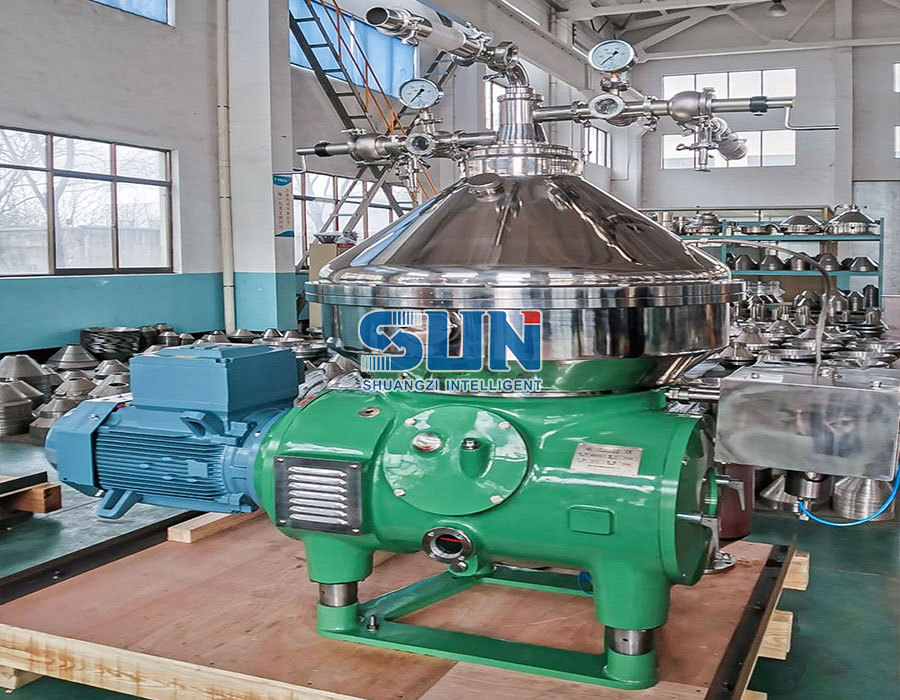
Stainless Steel Fermenter Biological fermentation system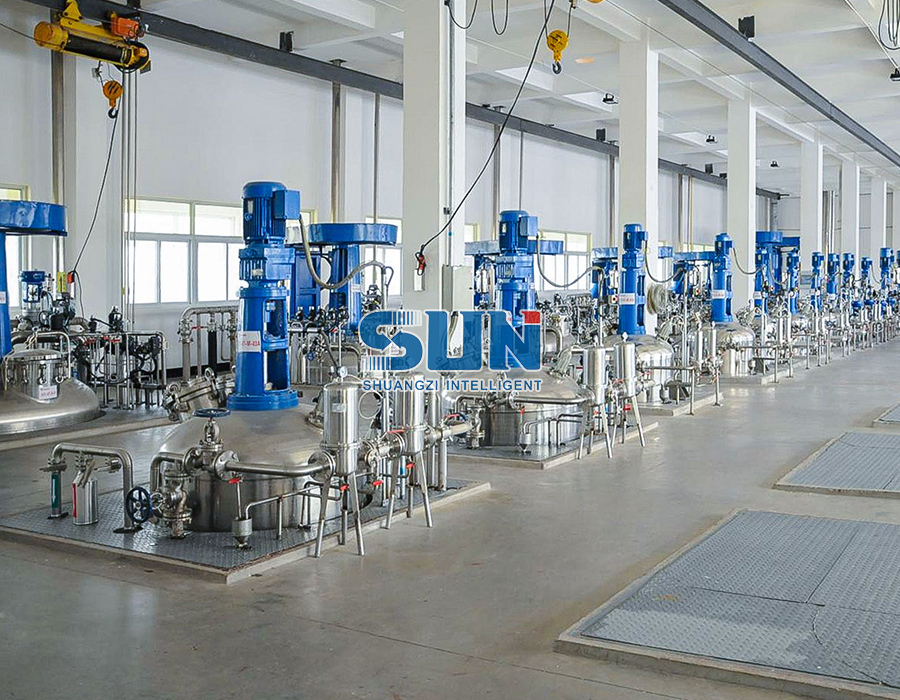
Product Overview
The stainless steel fermenter biological fermentation system is a closed container or bioreactor used for cultivating microorganisms or cells under controlled conditions. It is widely used in dairy, food, beverage, fruit wine, biotechnology, pharmaceutical, fertilizer, and precision chemical industries. The system is especially valuable in processes where microbial growth, metabolite formation, enzyme production, antibiotic fermentation, or biological transformation must be maintained within a carefully regulated environment.
The equipment uses a mechanical stirring structure. Mechanical agitation is one of the most widely adopted forms in industrial fermentation because it can disperse air into the fermentation broth, improve gas-liquid contact, enhance oxygen transfer, reduce concentration gradients, and keep nutrients, microorganisms, and temperature evenly distributed. For aerobic fermentation, efficient oxygen transfer is critical because many microorganisms require dissolved oxygen for growth, reproduction, and metabolism.
The system may be configured for different fermentation projects, including Bacillus thuringiensis fermentation systems, Trichoderma fermentation systems, fertilizer fermentation systems, penicillin fermentation systems, and pilot fermentation systems. The flexible design allows the same engineering platform to be adapted to different organisms, production volumes, process conditions, cleaning requirements, and automation levels.
Available capacities range from small pilot-scale vessels to large industrial tanks, allowing users to develop a process, validate it, and expand production while maintaining similar principles of control and hygiene. The equipment can be made from SUS304 or SUS316L stainless steel according to the process medium, corrosion resistance requirements, cleaning protocol, and regulatory expectations.
Core Product Specifications
Item |
Data |
Capacity |
50 L to 500,000 L |
Material |
SUS304 or SUS316L stainless steel |
Agitator |
Two four-straight-blade turbine type |
Sealing |
Mechanical sealing |
Voltage |
Made to order |
Motor |
Configured according to project requirements |
Typical Interfaces |
pH, dissolved oxygen, temperature control, inoculation, defoaming alarm, sampling, feeding, exhaust, and cleaning connections |
Typical Applications |
Dairy fermentation, beverages, fruit wine, biotechnology, pharmaceuticals, microbial fertilizer, enzymes, antibiotics, and precision chemicals |
Why Stainless Steel Is the Preferred Material
Stainless steel is one of the most reliable materials for fermentation equipment because it offers strength, corrosion resistance, cleanability, and long service life. In biological production, the contact surface of the vessel must resist corrosion from culture media, cleaning agents, sterilization steam, acidic or alkaline process conditions, and metabolic by-products. SUS304 is commonly used for general sanitary applications, while SUS316L provides improved corrosion resistance and is often selected for more demanding pharmaceutical, biochemical, or chloride-containing environments.
A stainless steel fermenter also supports hygienic design. Smooth internal surfaces reduce product retention and make cleaning easier. Proper polishing, welding, and sanitary pipeline construction help reduce dead corners where microorganisms may accumulate. This is important because a fermentation batch can be affected by even small contamination sources. A vessel that is easy to clean and sterilize protects both product quality and production yield.
Compared with non-metallic fermentation containers, stainless steel offers greater pressure resistance, better thermal conductivity, stronger mechanical stability, and easier integration with steam sterilization. It is also more suitable for large-volume industrial production, where the tank must withstand agitation forces, aeration pressure, vacuum conditions, repeated temperature cycling, and long-term operation.
Closed and Integrated Structure for Contamination Control
One of the most important advantages of the biological fermentation system is its integrated and fully sealed design. A closed tank helps isolate the fermentation broth from external air pollution, dust, unsterile droplets, and uncontrolled microorganisms. In industries such as pharmaceuticals, biotechnology, dairy, beverages, and microbial fertilizer, contamination control is directly connected with product safety, quality, and economic performance.
The sealed structure includes a tank body, tank cover, mechanical sealing system, controlled inlet and outlet points, exhaust handling, and sanitary interfaces. During production, operators can introduce air, nutrients, inoculum, antifoam, acid, alkali, or other process inputs through designated sterile connections instead of opening the vessel. This reduces the risk of introducing unwanted organisms.
For aerobic fermentation, air or oxygen-enriched gas can be supplied through controlled aeration devices. The gas is then dispersed by the agitator and exits through exhaust lines. Proper exhaust design helps maintain pressure balance and protects the tank from overpressure while supporting clean production. When paired with sterile filters and sanitary valves, the system can support reliable fermentation in sensitive applications.
Compared with simpler fermenters that have limited sealing quality or fewer sanitary ports, this equipment provides a more complete process platform. Users can monitor and adjust fermentation conditions without compromising the sterile environment. This is a major advantage for biological production where every batch represents time, raw material, labor, and energy investment.
Mechanical Stirring for Efficient Oxygen Transfer
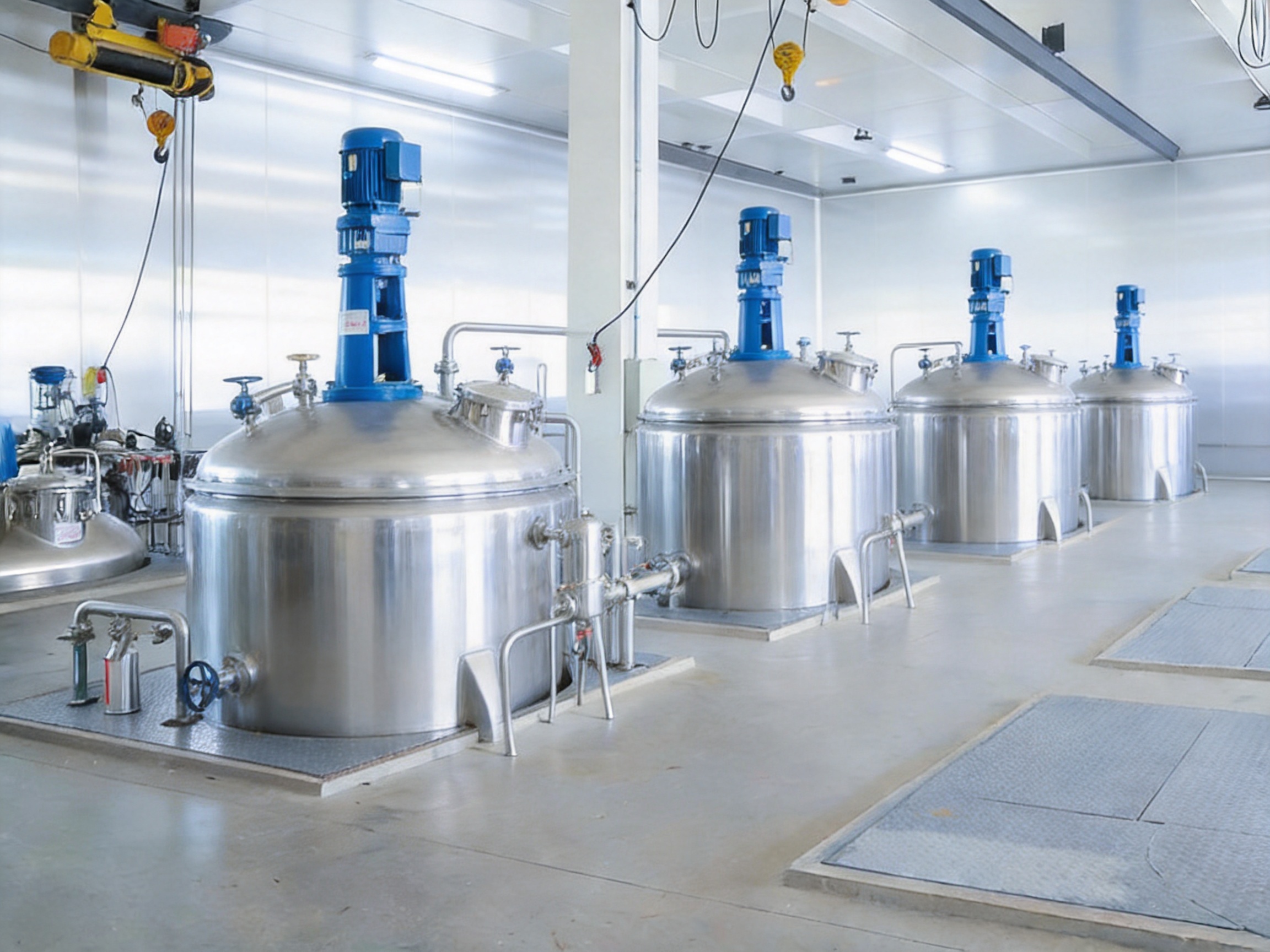
Mechanical stirring is central to the performance of this fermentation system. The two four-straight-blade turbine agitator is designed to mix the fermentation broth and disperse gas bubbles. In aerobic microbial culture, oxygen dissolves from gas bubbles into the liquid phase. The faster and more evenly this transfer occurs, the better the system can support microbial metabolism.
Without effective agitation, oxygen may not be distributed evenly. Some zones may become oxygen-rich while others become oxygen-poor. Nutrients, temperature, pH, and microbial concentration may also become uneven. These gradients can lead to inconsistent growth, lower yield, unwanted by-products, or incomplete fermentation.
The mechanical stirring system improves contact between air and broth, helps break large gas bubbles into smaller bubbles, and increases the gas-liquid interfacial area. Smaller bubbles generally support better oxygen transfer because they provide more surface area and longer residence time in the liquid. The agitator also helps suspend solids, maintain homogeneity, and prevent sedimentation in processes involving spores, mycelia, particulate nutrients, or biological fertilizer formulations.
In competitor systems with weak agitation, poor impeller design, or inadequate motor matching, production may suffer from oxygen limitation or uneven culture conditions. A well-engineered agitation system provides stronger process reliability and better scale-up potential. For producers seeking repeatable output, agitation is not simply a mechanical component; it is a core process driver.
Process Control Interfaces for Fermentation Accuracy
Biological fermentation is sensitive to environmental changes. Microorganisms respond to temperature, pH, dissolved oxygen, nutrient concentration, pressure, foam, and agitation speed. Therefore, a high-quality fermentation system must provide enough interfaces to measure and control these parameters.
This system can be equipped with standard fermentation tank interfaces such as pH interface, dissolved oxygen interface, temperature control interface, inoculation port, defoaming alarm port, and other customized ports. These interfaces allow users to connect sensors, probes, dosing lines, sampling devices, feeding systems, and automation modules.
The pH interface is essential because many fermentation processes produce organic acids, ammonia, carbon dioxide, or other metabolic products that change the acidity or alkalinity of the broth. If pH drifts too far from the optimal range, microbial activity may decrease or unwanted by-products may increase. By measuring pH continuously or periodically, the system can support controlled acid or alkali addition.
The dissolved oxygen interface helps users monitor oxygen availability. Aerobic organisms may consume oxygen rapidly, especially during active growth. When dissolved oxygen falls below the required level, operators may increase agitation speed, air flow, oxygen concentration, or pressure. The ability to detect and respond to oxygen demand is critical in processes such as enzyme production, antibiotic fermentation, Bacillus fermentation, and Trichoderma culture.
The temperature control interface supports stable thermal management. Fermentation generates metabolic heat, and uncontrolled temperature rise can damage microorganisms or reduce yield. The equipment can be integrated with heating and cooling systems to maintain a defined temperature profile. Accurate temperature control is particularly important during scale-up, because large tanks retain heat differently from small laboratory vessels.
Sterilization in Place for Safer Operation
The biological fermentation tank body and pipeline can be sterilized in place, which improves safety and reliability. Sterilization in place is a major advantage over systems that require frequent disassembly or manual sanitation. It allows steam or other sterilizing media to reach internal surfaces, pipelines, valves, and connections without exposing the system to the external environment.
In-place sterilization helps reduce labor intensity, shorten preparation time, improve reproducibility, and protect operators from unnecessary contact with hot equipment or cleaning chemicals. It also supports hygienic production in industries where batch contamination can cause significant economic loss.
For pharmaceutical and biotechnology users, in-place sterilization is closely related to good manufacturing practice expectations. Even in food, beverage, and fertilizer applications, sterilization improves process stability and reduces the risk of spoilage organisms. A fermenter that supports reliable sterilization is better suited for high-value production than a simple tank that only supports manual cleaning.
The sanitary pipeline design, sealed tank structure, and properly arranged ports contribute to sterilization effectiveness. When a system is designed with fewer dead legs and smoother internal surfaces, sterilizing media can contact target areas more effectively. This is one of the reasons advanced fabrication and process engineering are as important as the tank itself.
Observation and Operator Convenience
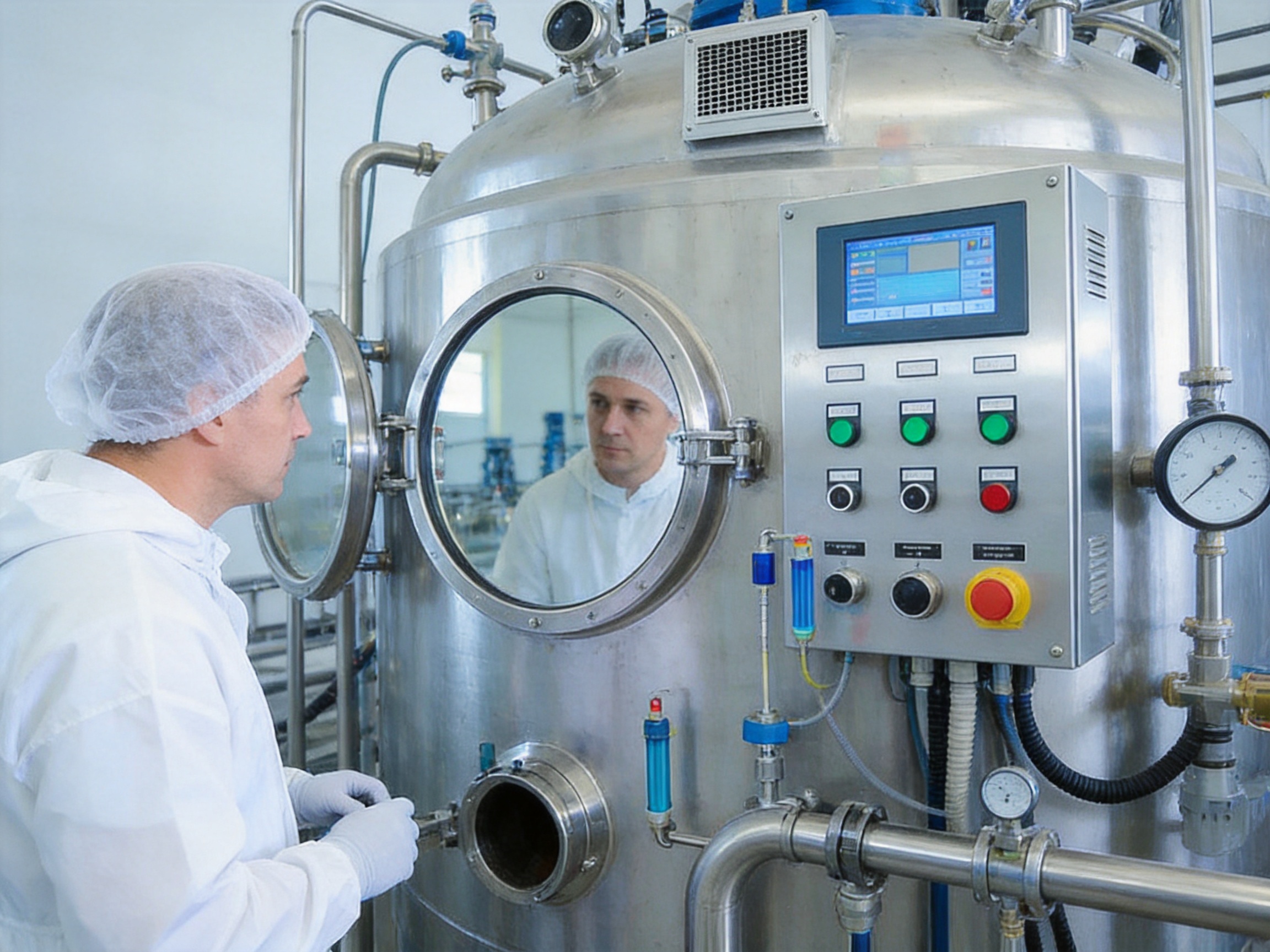
The cylinder body is equipped with a large viewing mirror, allowing operators to observe the fermentation status inside the tank. Visual observation remains useful even when digital sensors are installed. Operators may need to check foam level, broth color, mixing pattern, gas dispersion, contamination signs, or abnormal material accumulation.
A viewing mirror helps operators respond quickly to process changes. For example, excessive foam may require antifoam dosing or agitation adjustment. Poor mixing may indicate a mechanical issue or unsuitable viscosity. Unusual color changes may signal process deviation. The ability to observe the internal state improves operational confidence.
Convenient operation is also supported by compact structure, integrated design, and practical interface layout. When ports are arranged logically, operators can connect instruments, dosing lines, cleaning lines, and sampling devices more easily. This reduces operation errors and improves daily production efficiency.
Adaptability to Different Fermentation Processes
The system has a certain ability to regulate acidity or alkalinity and can adapt to various fermentation processes. This adaptability is important because fermentation applications differ widely. Dairy fermentation may prioritize temperature stability and food-grade hygiene. Beverage and fruit wine production may require flavor preservation and controlled alcohol formation. Biotechnology processes may require high oxygen transfer and strict sterility. Pharmaceutical fermentation may demand more rigorous documentation, material selection, and automation. Biological fertilizer production may involve robust microbial strains and larger-volume cost-effective production.
For Bacillus thuringiensis fermentation, the system must support microbial growth and sporulation under controlled oxygen, temperature, and nutrient conditions. For Trichoderma fermentation, it may need to handle filamentous fungal culture and maintain appropriate mixing without damaging the organism excessively. For fertilizer fermentation systems, it must support high-volume microbial cultivation with stable quality. For penicillin fermentation, sterility, oxygen control, and process consistency are especially important. For pilot fermentation, the system must provide flexibility for testing recipes, parameters, and scale-up strategies.
This versatility gives the equipment an advantage over single-purpose tanks. Users can configure tank volume, material, sealing, agitation, control points, voltage, and supporting systems according to their production needs. A customized system helps avoid both under-design and unnecessary over-investment.
Advantages Over Competitor Fermentation Equipment
The competitive value of a fermentation system should be measured by more than its tank volume or stainless steel grade. A high-performance system must deliver contamination control, stable mixing, accurate monitoring, cleanability, scalability, durability, and long-term production support. This stainless steel biological fermentation system offers several advantages compared with conventional or low-cost alternatives.
Stronger Hygiene and Sealing Performance
Many basic fermentation vessels offer limited sealing quality and fewer sterile interfaces. In contrast, this system uses a closed, integrated structure and mechanical sealing to protect the fermentation broth. The design reduces exposure to external contaminants and supports controlled addition, exhaust, sampling, and observation.
More Complete Process Interface Configuration
Some competitor products may provide only basic temperature control or limited sampling access. This system supports multiple standard interfaces, including pH, dissolved oxygen, temperature control, inoculation, and defoaming alarm ports. These interfaces make it easier to upgrade automation, improve data collection, and maintain process control.
Better Suitability for Scale-Up
Because the capacity range extends from 50 L to 500,000 L, users can select equipment for research, pilot production, medium-scale manufacturing, or full industrial production. This supports process development and later expansion. Scale-up is not merely increasing volume; it requires attention to mixing, oxygen transfer, heat transfer, sterilization, and control strategy. The equipment platform is designed with these industrial needs in mind.
Improved Mixing and Oxygen Transfer
The mechanical stirring system with turbine-type agitator supports effective gas-liquid mixing. Compared with poorly designed agitators, the system improves oxygen dissolution and helps maintain homogeneous culture conditions. This contributes to microbial growth, product formation, and batch consistency.
Reliable Material Selection
The availability of SUS304 and SUS316L provides flexibility for different process requirements. Users can select economical stainless steel for general applications or higher corrosion resistance for demanding media and regulatory environments. This is more practical than one-material systems that may be either under-specified or unnecessarily expensive.
Integrated Engineering Service
The equipment is supported by engineering, process design, equipment design, installation, line debugging, and turnkey project capabilities. Competitors that only sell single machines may not provide complete system integration. For fermentation users, integration is critical because the fermenter must work with utilities, sterilization systems, aeration, cooling, automation, feeding, downstream processing, and production layout.
Manufacturing Strength and Engineering Capability
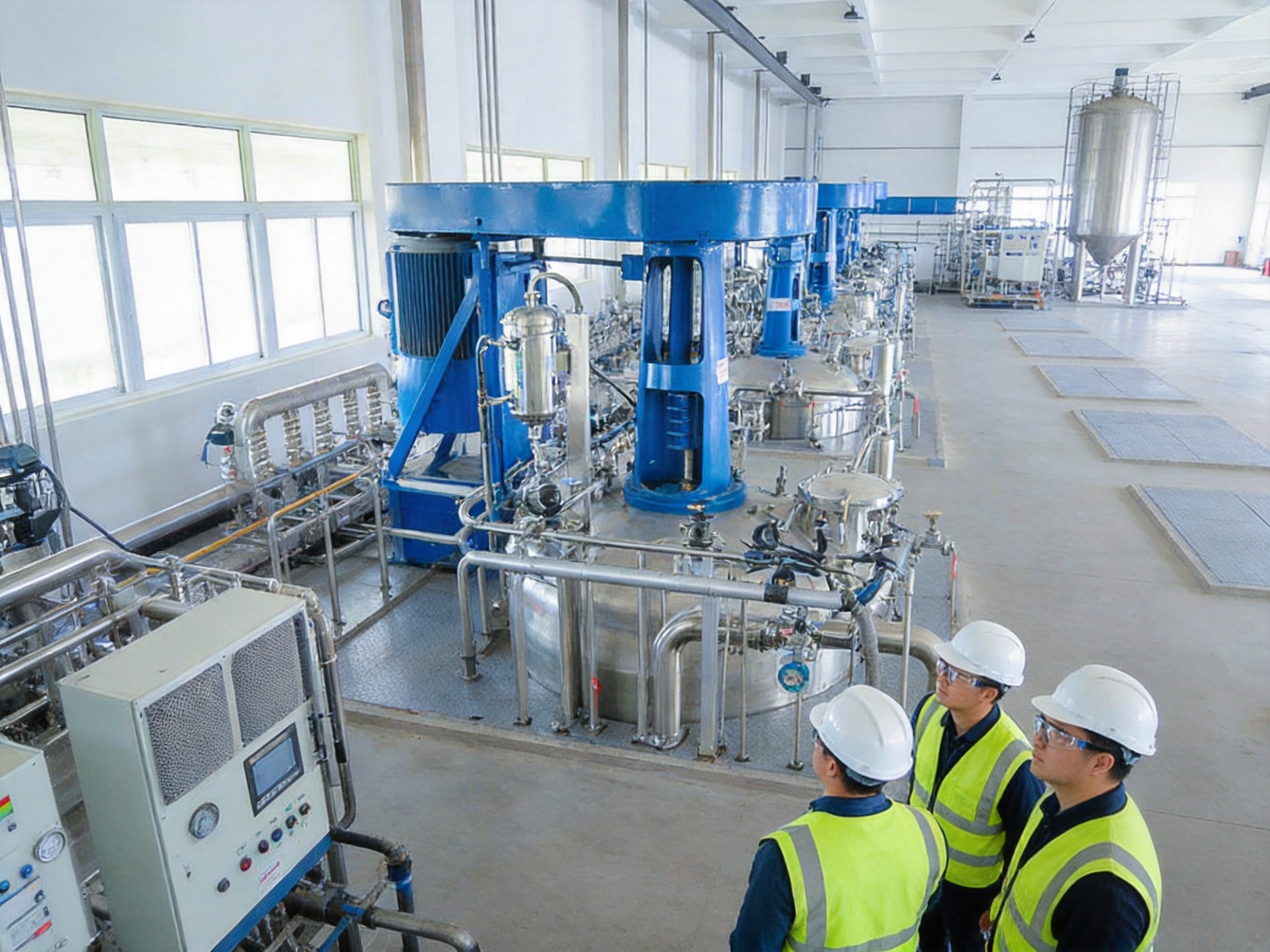
Zhejiang Shuangzi Intelligent Equipment Co., Ltd. is a professional biology and medical equipment enterprise with EPC and EPCM capabilities as its core. The company focuses on process technology, automation engineering design, equipment manufacturing, matching purchase, installation, system integration, and turnkey project delivery in fields such as plant extraction, biological fermentation, pharmaceutical engineering, natural food, energy conservation, and environmental protection.
Founded in 2007, the company has developed mature products including vacuum low-temperature drying systems, complete fermentation system equipment, evaporation and concentration equipment, extraction equipment, separation equipment, crystallization equipment, filtration equipment, and stainless steel containers. These product families are closely related to biological and pharmaceutical process lines, allowing the company to provide more complete solutions than manufacturers that specialize only in one type of vessel.
The company covers a floor area of 16,706 square meters and a structural area of 17,800 square meters. This manufacturing base supports fabrication, assembly, testing, and project preparation for various customized equipment systems. Strong technical power enables the company to combine process design with mechanical design and automation integration.
Advanced welding and finishing equipment contributes to product quality. The company has introduced equipment such as plasma argon arc welding machines, plasma cutting machines, CAM CNC machining centers, and other advanced manufacturing tools. These capabilities help improve cutting accuracy, welding consistency, surface finish, dimensional control, and overall equipment reliability.
In fermentation equipment manufacturing, weld quality is especially important. Internal welds must be smooth, strong, and cleanable. Poor welding can create crevices, rough areas, or weak points where contamination may occur or corrosion may begin. Advanced welding processes and skilled finishing help produce sanitary equipment suitable for biological production.
From Process Design to Turnkey Project Delivery
A fermenter is not an isolated machine in most production environments. It must connect with raw material preparation, sterilization, air compression and filtration, steam, water, cooling media, clean-in-place systems, control cabinets, downstream separation, concentration, drying, packaging, and quality control. Therefore, project success depends on system integration.
The company can provide engineering, process design, equipment design, installation, line debugging, and turnkey services. This means users can receive support from early process planning through equipment production and on-site commissioning. Such service is valuable for customers who need to build a new fermentation workshop, upgrade an existing line, or transfer a pilot process into industrial production.
Turnkey capability reduces coordination problems. If a buyer purchases tanks, pumps, pipelines, sensors, and controls from many unrelated suppliers, integration risk increases. Different standards, communication protocols, installation dimensions, and documentation levels may cause delays. A system-oriented supplier can better coordinate equipment selection, pipeline layout, automation logic, cleaning design, and production workflow.
For customers in pharmaceuticals, food, and biotechnology, project documentation and validation support may also be required. A supplier with process engineering knowledge can help align equipment design with production expectations and compliance needs.
Research, Pilot Production, and GMP-Oriented Platform
The company has a full set of production lines with a pilot production workshop and an R&D platform designed according to automation and GMP-oriented requirements. The platform includes processes such as vacuum low-temperature drying, plant extraction, evaporation, precipitation separation, extraction, and fermentation. This allows the company to serve pilot research users and customers who need practical process verification before full-scale investment.
Pilot testing is especially important in fermentation because biological systems are sensitive and complex. A microbial process that works in a flask may not perform the same way in a pilot fermenter. Oxygen transfer, mixing intensity, heat removal, pH control, foam behavior, and nutrient feeding strategy may change during scale-up. Access to pilot-scale experience helps reduce industrial risk.
The R&D platform also supports the development of customized equipment solutions. Instead of only copying standard tank designs, engineers can consider actual process behavior and user requirements. This is a significant strength for customers with specialized products, new strains, or unique production targets.
Applications in Dairy and Food Fermentation
In dairy and food production, fermentation systems must maintain sanitary conditions and stable temperature. Products such as yogurt, fermented milk ingredients, probiotics, food cultures, and functional food components depend on controlled microbial activity. The stainless steel fermenter can provide a clean and closed environment to reduce contamination and maintain consistent product characteristics.
Food producers value stainless steel construction because it is durable, cleanable, and compatible with sanitary processing. The ability to sterilize or clean the tank and pipelines helps reduce spoilage and improve production safety. Process interfaces allow operators to monitor temperature and pH, which are two of the most important parameters in many food fermentations.
Compared with open or semi-open fermentation methods, a closed stainless steel system provides better process control and repeatability. This is increasingly important as food manufacturers move toward standardized quality, larger batch sizes, and more automated production.
Applications in Beverages and Fruit Wine
Beverage and fruit wine fermentation require controlled microbial conversion of sugars into alcohol, organic acids, aroma compounds, and other flavor components. Although some traditional beverage processes use open or minimally controlled vessels, modern production benefits from hygienic stainless steel equipment and stable process management.
The fermenter can be configured to support controlled temperature, closed operation, sampling, exhaust, and observation. Temperature control is particularly important because it influences yeast activity, aroma formation, fermentation speed, and product quality. A large viewing mirror and sampling interface help operators evaluate fermentation progress without excessive exposure to the outside environment.
For fruit wine and beverage manufacturers that need higher consistency, stainless steel fermentation equipment provides an upgrade from less controlled methods. It can help reduce batch variation, improve hygiene, and support commercial-scale production.
Applications in Biotechnology and Pharmaceutical Engineering
Biotechnology and pharmaceutical fermentation often require higher levels of sterility, control, and documentation than general industrial fermentation. Products may include enzymes, antibiotics, biological intermediates, microbial metabolites, cell culture products, or active ingredients. In these applications, equipment design must protect both the culture and the product.
The stainless steel biological fermentation system supports important requirements such as closed operation, mechanical sealing, pH interface, dissolved oxygen interface, temperature control, sterile inoculation, defoaming alarm, and in-place sterilization. These features help maintain stable biological conditions and reduce contamination risk.
For processes such as penicillin fermentation, oxygen transfer and sterility are essential. Antibiotic-producing organisms often require carefully controlled conditions to maximize production and minimize unwanted metabolites. A reliable fermenter helps users maintain these conditions over long fermentation cycles.
The company’s experience in pharmaceutical engineering, automation design, and system integration strengthens its ability to support demanding projects. Users can combine fermentation systems with downstream processing equipment such as separation, concentration, crystallization, filtration, and drying systems to build complete production lines.
Applications in Microbial Fertilizer and Agricultural Biotechnology
Microbial fertilizers and agricultural biotechnology products depend on stable cultivation of beneficial microorganisms. These may include bacteria, fungi, or biological control agents used to improve soil health, support plant growth, suppress pathogens, or enhance nutrient availability.
Fermentation systems for agricultural microorganisms must often balance cost efficiency with biological performance. Large volume, reliable mixing, oxygen supply, and contamination control are important. The stainless steel fermenter’s capacity range and customization options make it suitable for both pilot development and industrial microbial fertilizer production.
For organisms such as Bacillus thuringiensis and Trichoderma, proper aeration, agitation, and environmental control can influence spore formation, viability, and product activity. The mechanical stirring system and monitoring interfaces help producers maintain stable culture conditions and improve batch-to-batch consistency.
Design Considerations for Selecting a Fermentation System
When selecting a biological fermentation system, users should evaluate more than purchase price. The correct design depends on the microorganism, medium composition, target product, batch size, oxygen demand, foam behavior, viscosity, sterilization method, cleaning procedure, automation level, workshop layout, and future expansion plan.
Capacity is one of the first decisions. A 50 L system may be suitable for pilot testing or process development, while large industrial tanks may reach hundreds of thousands of liters. However, users should not choose capacity based only on desired output. They should also consider fermentation cycle time, cleaning time, sterilization time, downstream processing capacity, and raw material supply.
Material selection is another key factor. SUS304 may be suitable for many food and industrial applications, while SUS316L may be preferred for pharmaceutical, high-corrosion, or high-cleanliness applications. Surface finish, weld treatment, and sanitary design should also be considered.
Agitation and aeration must match the biological process. High oxygen-demand organisms require strong oxygen transfer, while shear-sensitive cultures may need gentler mixing. Foam generation should also be considered because excessive foam can cause contamination risk, product loss, or sensor interference. A defoaming alarm port and antifoam dosing capability can help manage this issue.
Control requirements should be defined early. Basic systems may monitor temperature and pH, while advanced systems may include dissolved oxygen control, feeding programs, pressure monitoring, foam control, data recording, automated sterilization, and integration with supervisory control systems. Choosing a supplier with automation engineering capability helps users plan a system that can grow with production needs.
Long-Term Value and Return on Investment
A high-quality fermentation system creates value through stable operation, reduced contamination, improved yield, lower maintenance frequency, shorter downtime, and better scalability. Although the initial investment may be higher than a simple tank, the total cost of ownership can be lower over time.
Contamination is one of the most expensive risks in fermentation. A contaminated batch may require disposal of product, cleaning of equipment, investigation of root cause, and production delay. Closed design, mechanical sealing, sanitary interfaces, and in-place sterilization reduce this risk.
Energy and time efficiency also influence operating cost. Effective agitation and temperature control help the process reach target performance without excessive correction. Reliable equipment reduces unplanned shutdowns. Smooth surfaces and cleanable pipelines reduce cleaning difficulty and preparation time.
For growing companies, scalability is another form of value. A supplier that can support pilot systems and large industrial systems helps customers expand with less technical uncertainty. Consistent engineering principles across different capacities support smoother technology transfer.
Quality Built Through Advanced Manufacturing
The strength of the fermentation system is not only in its design concept but also in its manufacturing execution. Stainless steel biological equipment requires precision fabrication, controlled welding, accurate assembly, and surface treatment. The use of advanced cutting, welding, machining, and finishing equipment helps create vessels and pipelines that meet demanding process requirements.
Plasma cutting improves the accuracy and cleanliness of stainless steel plate preparation. Argon arc welding supports high-quality stainless steel joints. CNC machining improves the precision of key components, interfaces, and fittings. Finishing work helps achieve smoother internal surfaces and better sanitary performance.
Manufacturing experience across fermentation, extraction, concentration, separation, drying, filtration, and container equipment provides a broader process understanding. This is valuable because many fermentation projects require upstream and downstream systems. A manufacturer that understands the full production line can design equipment connections more logically and reduce later modification costs.
Q&A Section
What is a stainless steel biological fermentation system used for?
It is used for cultivating microorganisms or cells under controlled conditions. Common applications include dairy fermentation, beverage production, fruit wine, biotechnology, pharmaceuticals, microbial fertilizer, enzymes, antibiotics, and precision chemical production.
What capacities are available?
The system can be customized from 50 L to 500,000 L, making it suitable for pilot testing, process development, medium production, and large-scale industrial manufacturing.
Which stainless steel materials can be selected?
The fermenter can be made from SUS304 or SUS316L stainless steel. SUS304 is suitable for many general sanitary applications, while SUS316L provides stronger corrosion resistance for more demanding processes.
Why is mechanical stirring important?
Mechanical stirring mixes air and fermentation broth, promotes oxygen dissolution, maintains homogeneous nutrients and temperature, suspends microorganisms or solids, and supports stable microbial growth and metabolism.
What process parameters can be monitored?
The system can include interfaces for pH, dissolved oxygen, temperature control, inoculation, defoaming alarm, sampling, feeding, exhaust, and other customized monitoring or control points.
How does the system reduce contamination risk?
The fermenter uses a closed and integrated structure, mechanical sealing, sanitary interfaces, and in-place sterilization capability. These features reduce exposure to external air and uncontrolled microorganisms.
Can the equipment be used for pilot fermentation?
Yes. Smaller capacity models and customized control interfaces make it suitable for pilot fermentation, process optimization, scale-up research, and production validation.
What makes this system different from basic fermentation tanks?
It offers stronger sealing, more complete control interfaces, in-place sterilization, mechanical agitation for oxygen transfer, customizable stainless steel materials, wide capacity coverage, and engineering support for complete project integration.
Can it be integrated into a turnkey production line?
Yes. The manufacturer can provide process design, equipment design, installation, line debugging, system integration, and turnkey project services for biological fermentation and related process lines.
Which industries benefit most from this equipment?
Dairy, food, beverage, fruit wine, biotechnology, pharmaceutical engineering, microbial fertilizer, agricultural biotechnology, enzymes, antibiotics, and precision chemical industries can benefit from this fermentation system.
Conclusion
The stainless steel fermenter biological fermentation system is a practical and scalable solution for modern bio-based production. Its closed structure, stainless steel construction, mechanical stirring, process control interfaces, in-place sterilization, viewing mirror, and customizable design help users achieve reliable fermentation performance in a wide range of applications.
Compared with basic or low-cost fermentation vessels, the system provides stronger hygiene, better oxygen transfer, more complete monitoring options, improved scalability, and stronger integration potential. These advantages are especially important for producers who need stable batch quality, reduced contamination risk, and long-term industrial value.
Supported by advanced manufacturing equipment, process engineering knowledge, pilot production capability, and turnkey project experience, the system represents more than a single tank. It is part of a complete biological production solution that can support research, scale-up, and commercial manufacturing.
For companies seeking dependable fermentation equipment for dairy, beverages, biotechnology, pharmaceuticals, microbial fertilizer, or precision chemical applications, a well-designed stainless steel biological fermentation system offers the control, hygiene, and engineering reliability needed for competitive production.
References
Bailey, J. E., and Ollis, D. F. Biochemical Engineering Fundamentals. McGraw-Hill.
Doran, P. M. Bioprocess Engineering Principles. Academic Press.
Shuler, M. L., and Kargi, F. Bioprocess Engineering: Basic Concepts. Prentice Hall.
Stanbury, P. F., Whitaker, A., and Hall, S. J. Principles of Fermentation Technology. Butterworth-Heinemann.
McNeil, B., and Harvey, L. M. Practical Fermentation Technology. Wiley.
Junker, B. H. Scale-Up Methodologies for Escherichia coli and Yeast Fermentation Processes. Journal of Bioscience and Bioengineering.
American Society of Mechanical Engineers. Bioprocessing Equipment Standard.
Food and Drug Administration. Guidance for Industry: Sterile Drug Products Produced by Aseptic Processing.