
 英语
英语 俄语
俄语Content
- 1 Product Overview: A Multifunctional Solution for Diverse Industries
- 2 Key Advantages Over Competitor Products
- 3 Manufacturing Expertise: The Foundation of Quality
- 4 Detailed Product Specifications
- 5 Q&A Section
- 5.1 Q1: Can the tank be customized for volume or pressure beyond the listed specs?
- 5.2 Q2: Is the tank compatible with CIP/SIP (Clean-in-Place/Sterilize-in-Place) systems?
- 5.3 Q3: What certifications does the tank have?
- 5.4 Q4: How long is the lead time for a custom tank?
- 5.5 Q5: Does the enterprise provide installation and commissioning services?
- 5.6 Q6: What maintenance is required for the tank?
- 5.7 Q7: What is the warranty period for the tank?
- 6 References
In the rapidly evolving landscape of biopharmaceutical manufacturing, food processing, and industrial fermentation, the need for reliable, hygienic, and customizable liquid storage solutions has never been more critical. Liquid preparation storage tanks serve as the backbone of these industries, facilitating everything from ingredient mixing and batch preparation to temporary storage before downstream processing. However, traditional tanks often fall short of meeting modern demands—struggling with contamination risks, limited customization, inefficient agitation, and non-compliance with regulatory standards. This article explores a next-generation stainless steel liquid preparation storage tank that addresses these gaps, highlighting its key advantages over competitors and the manufacturing expertise that underpins its performance.
Product Overview: A Multifunctional Solution for Diverse Industries
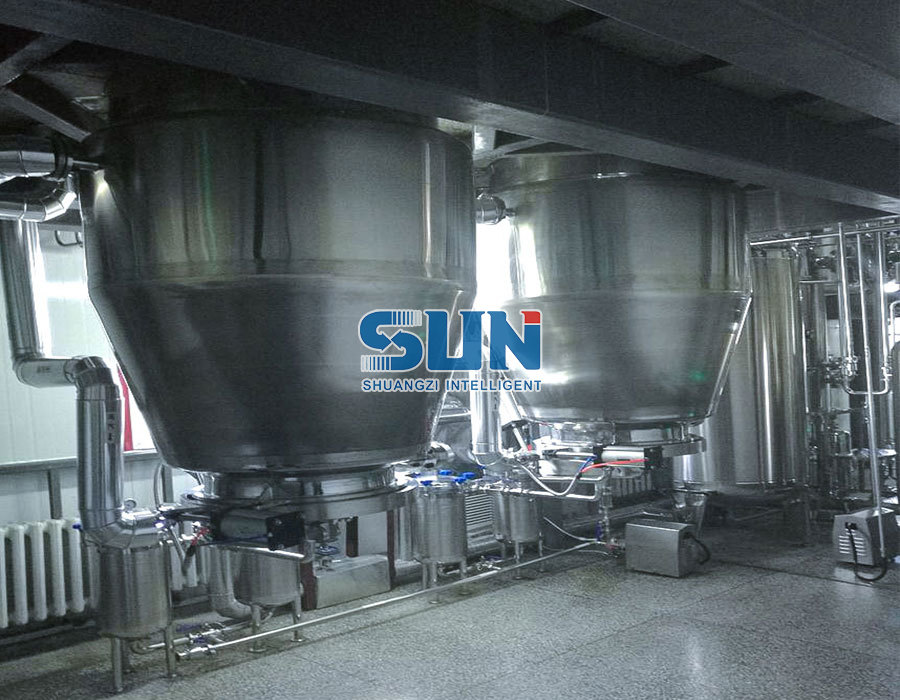
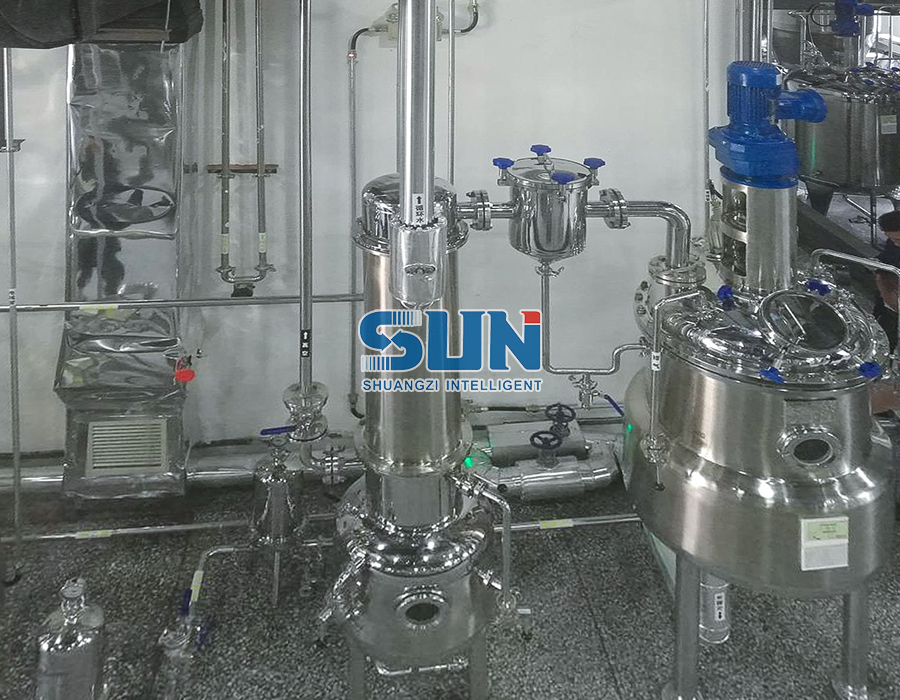
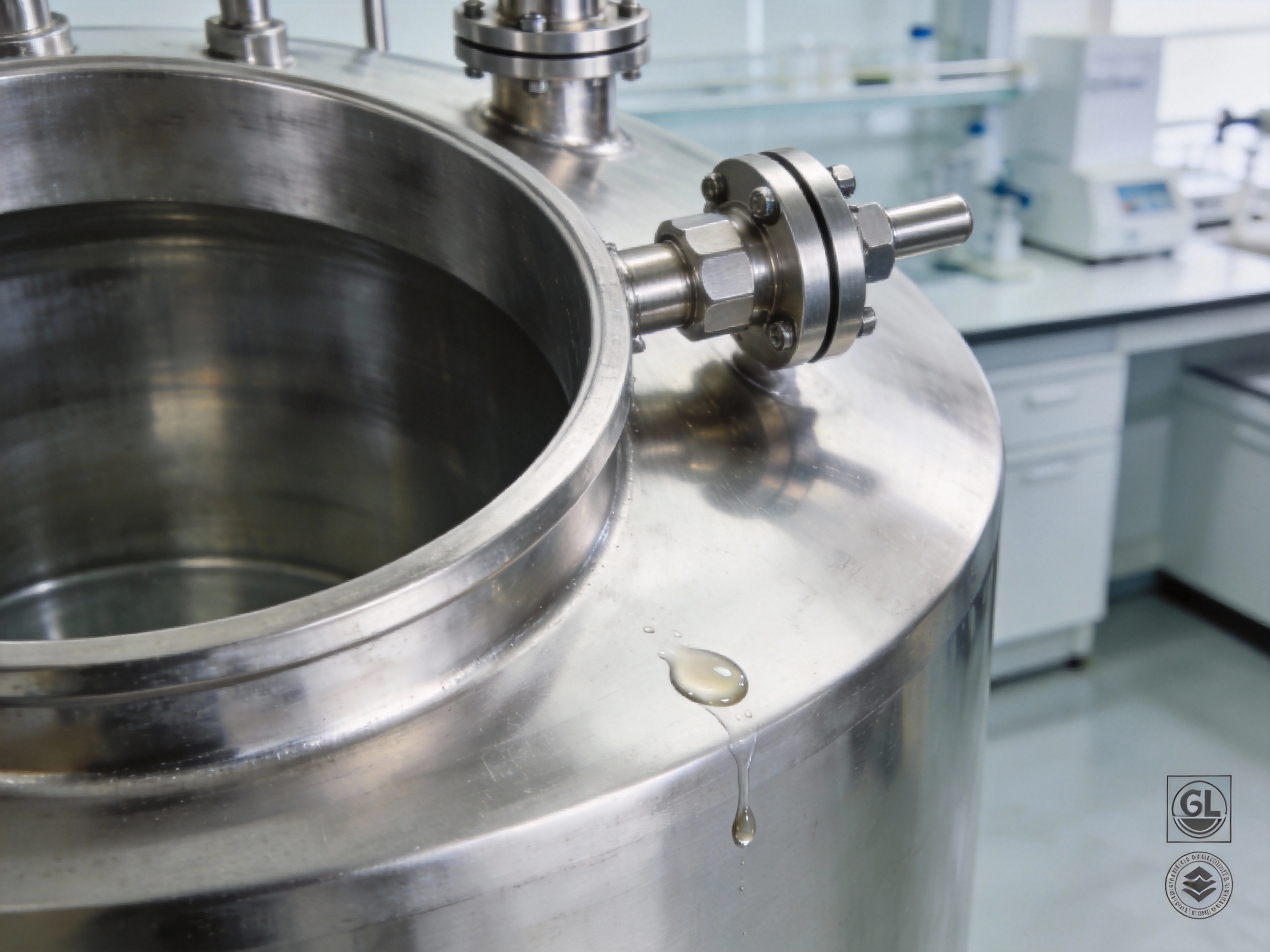
The stainless steel liquid preparation storage tank is a versatile piece of equipment designed to meet the rigorous requirements of plant extraction, bio-fermentation, Western medicine synthesis, food processing, and turnkey projects. Unlike single-purpose tanks, this model integrates core functions including heating, heat preservation, agitation, and pressure testing—all while adhering to strict hygienic and safety standards for welded steel vessels. Its design prioritizes flexibility, allowing it to adapt to a wide range of liquid types (from pharmaceutical APIs to food ingredients) and process scales (from lab-scale pilot batches to industrial production runs).
At its core, the tank is engineered to ensure: (1) Uniform mixing of liquids without contamination; (2) Stable temperature control for heat-sensitive ingredients; (3) Compliance with industry regulations (e.g., GMP for pharmaceuticals, ISO for food processing); (4) Easy cleaning and maintenance; and (5) Customization to match specific client needs. These features make it a go-to solution for manufacturers seeking to optimize their production lines and reduce operational risks.
Key Advantages Over Competitor Products
To stand out in a crowded market, this liquid preparation storage tank offers several distinct advantages that address common pain points in the industry. Below is a detailed breakdown of these benefits:
1. Superior Material Quality & Hygienic Design
Competitors often use lower-grade stainless steel (e.g., SUS304 without proper passivation) or non-hygienic joint designs, leading to corrosion, contamination, and difficulty in cleaning. In contrast, this tank uses imported SUS316L or SUS304 stainless steel for its interior—materials known for their high corrosion resistance, durability, and compatibility with food and pharmaceutical products. SUS316L, in particular, is ideal for processes involving acidic or corrosive liquids, as it contains molybdenum to enhance resistance to pitting and crevice corrosion.
Additionally, the tank’s joints use quick-acting chucks compliant with ISO standards. Unlike traditional flanged connections (which require bolts and gaskets that can trap debris), these chucks enable fast, tool-free assembly and disassembly, reducing downtime for cleaning and maintenance. The interior surface is polished to a high finish (Ra ≤ 0.8 μm) to prevent product adhesion and facilitate thorough cleaning—critical for meeting GMP requirements in pharmaceutical manufacturing.
2. Unmatched Customization Flexibility
Many competitor tanks offer limited volume ranges (e.g., only 500L to 5000L) or fixed specifications, forcing clients to compromise on their process needs. This tank, however, supports nominal volumes from 100L to 10000L, with full customization options for: (a) Working pressure (from 0.1 MPa to 0.5 MPa, depending on client requirements); (b) Temperature control (heating jackets for temperatures up to 120°C); (c) Agitation systems (variable speed, different impeller types); and (d) Instrumentation (custom combinations of level gauges, thermometers, and cleaning devices).
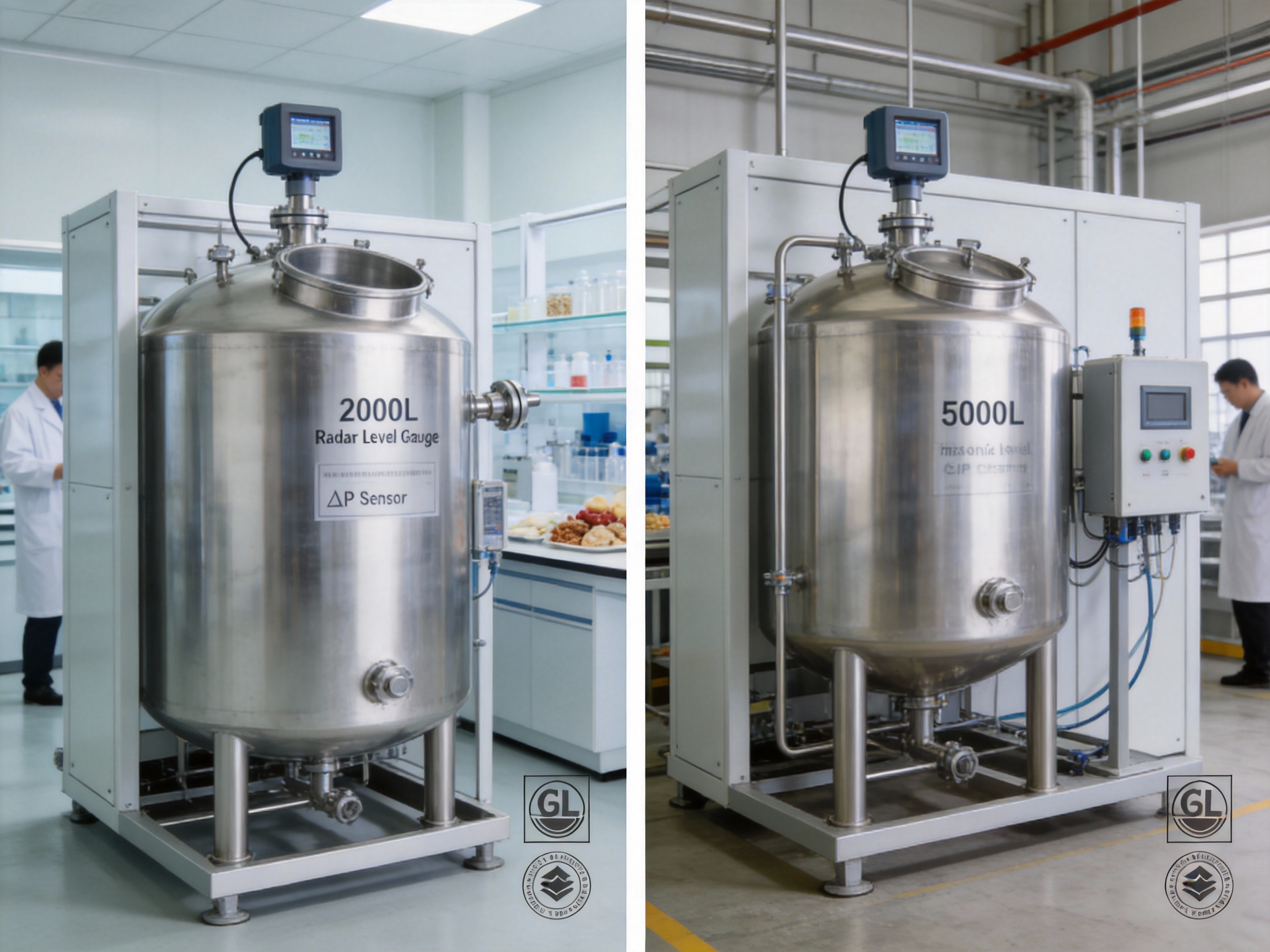
For example, a pharmaceutical client specializing in vaccine production might require a 2000L tank with a radar level gauge (for precise volume measurement) and a differential pressure sensor (for pressure monitoring). A food processing client could opt for a 5000L tank with an ultrasonic level gauge and a CIP universal cleaning device. This level of customization ensures that the tank integrates seamlessly into existing production lines without the need for costly modifications.
3. Advanced Agitation & Sealing Systems
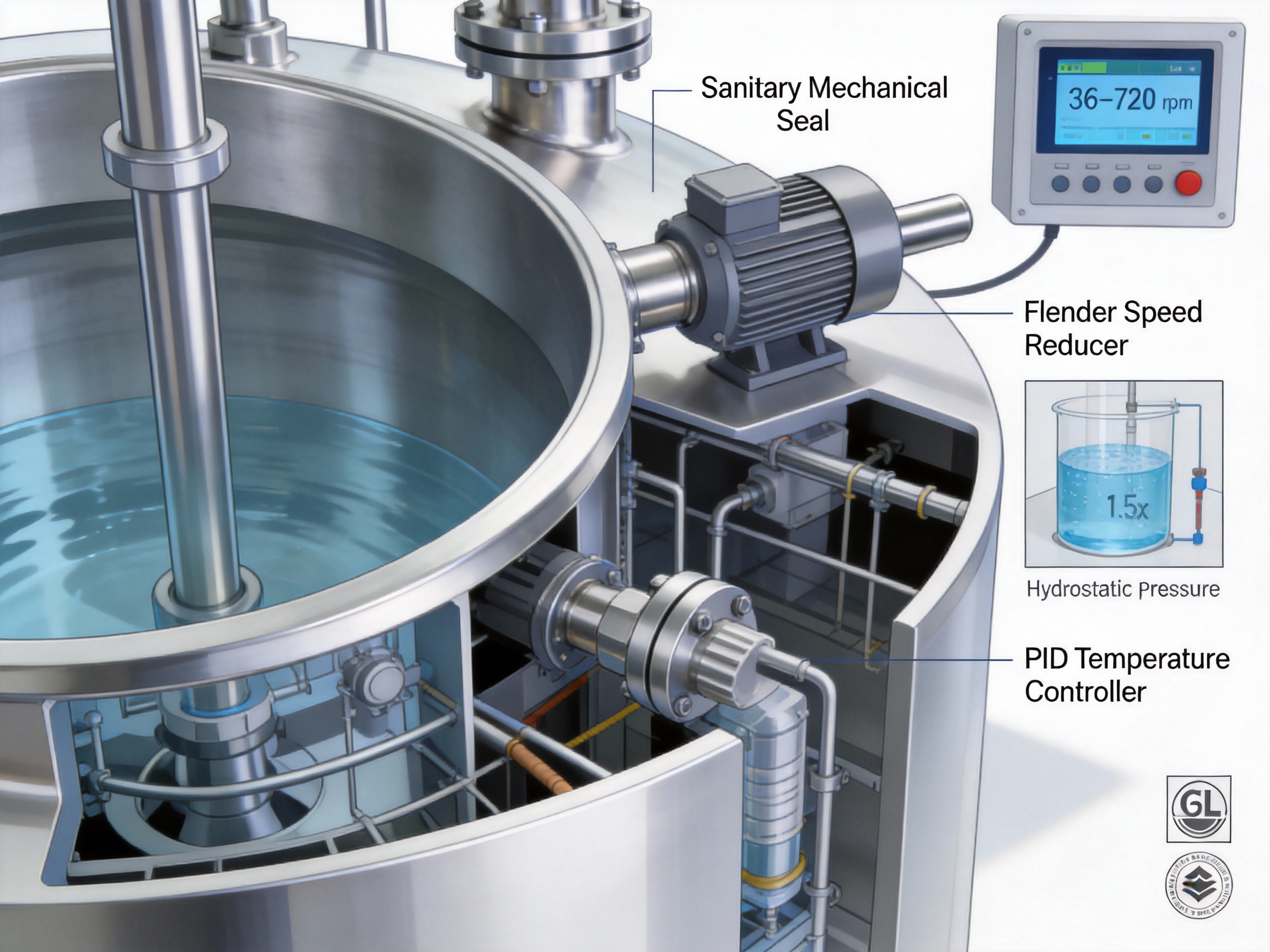
Agitation is a critical function for liquid preparation, but many competitors use low-quality reducers or seals that lead to uneven mixing, leaks, or contamination. This tank addresses these issues with: (a) Imported sanitary mechanical seals for the agitating shaft—these seals are designed to prevent product leakage and contamination, even under high-pressure conditions; (b) German-made Flender or SEW speed reducers—renowned for their durability, efficiency, and low noise levels; (c) Variable-frequency speed control (36–53 rpm as standard, with options up to 720 rpm) to adjust agitation intensity based on the process (e.g., gentle mixing for sensitive proteins vs. high-speed homogenization for emulsions).
Competitors often use generic seals that wear out quickly, requiring frequent replacements and increasing maintenance costs. The sanitary mechanical seals in this tank have a longer lifespan (up to 5 years with proper maintenance) and are easy to replace, reducing downtime. The German reducers also offer higher torque efficiency, ensuring uniform mixing even for viscous liquids—something that generic reducers struggle to achieve.
4. Rigorous Pressure & Temperature Compliance
Safety and compliance are non-negotiable in industries like pharmaceuticals and fermentation, but some competitors cut corners on pressure testing and temperature control. This tank is manufactured, pressure-tested, and inspected in strict accordance with technical conditions for welded steel vessels (e.g., ASME Section VIII, GB 150). Each tank undergoes a hydrostatic pressure test (1.5x the working pressure) to ensure structural integrity, and a leak test to detect any potential leaks.
The heating and heat preservation system uses electric heating rods or steam jackets (depending on client preference) to maintain stable temperatures. For heat-sensitive products (e.g., probiotics in food processing or biologic drugs), the system includes a PID temperature controller that maintains accuracy within ±1°C. Competitors often use basic heating elements without precise control, leading to product degradation and batch failures.
5. Comprehensive Instrumentation for Process Monitoring
Many competitor tanks lack integrated instrumentation, requiring clients to source and install additional sensors separately—leading to compatibility issues and increased costs. This tank comes with a range of standard and optional technical openings, including: (a) Fluid level gauges (radar, ultrasonic, electric capacity, differential pressure types); (b) Breathing apparatus (to maintain pressure balance); (c) Sterilization steam opening (for in-situ sterilization); (d) Thermometers (digital or dial type); (e) CIP universal tank-cleaning device; (f) Manhole (for inspection and maintenance); (g) Spotlight viewing mirror (for visual inspection); (h) Fluid inlets and outlets.
For example, the radar level gauge provides non-contact, continuous volume measurement—ideal for viscous or corrosive liquids that might damage other gauge types. The CIP cleaning device uses high-pressure steam or water to clean the tank interior without disassembly, reducing the risk of cross-contamination between batches. Competitors often offer only basic level gauges (e.g., float-type) that are prone to wear and require frequent calibration.
Manufacturing Expertise: The Foundation of Quality
The performance of this liquid preparation storage tank is directly tied to the manufacturing expertise of its producer—a professional enterprise with over 16 years of experience in biopharmaceutical and food processing equipment. Below are the key strengths that enable the production of high-quality, reliable tanks:
1. EPC/EPCM Capabilities for Turnkey Solutions
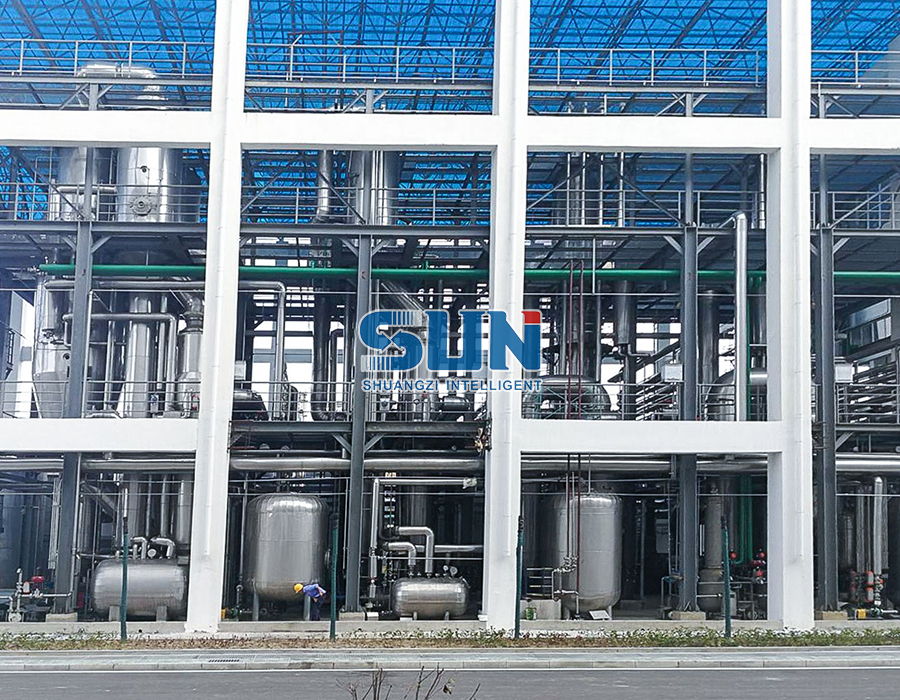
Unlike many manufacturers that only supply equipment, this enterprise offers EPC (Engineering, Procurement, Construction) and EPCM (Engineering, Procurement, Construction Management) services for turnkey projects. This means they can handle the entire project lifecycle—from process design and equipment manufacturing to installation, commissioning, and validation. For clients, this eliminates the need to coordinate multiple vendors, reducing project delays and ensuring seamless integration of the tank into their production lines.
For example, a client launching a new plant extraction project can work with the enterprise to design the entire production line, including the liquid preparation tank, extraction equipment, and downstream processing units. The enterprise will then procure all necessary materials, manufacture the equipment, install it on-site, and validate it to meet regulatory standards—saving the client time and resources.
2. Robust R&D & Pilot Production Platforms
The enterprise invests heavily in R&D to stay ahead of industry trends and meet evolving client needs. It has a dedicated R&D team of over 30 engineers with expertise in mechanical engineering, process design, and automation. The team works closely with clients to develop custom solutions (e.g., tanks with integrated automation systems for batch tracking) and improve existing products.
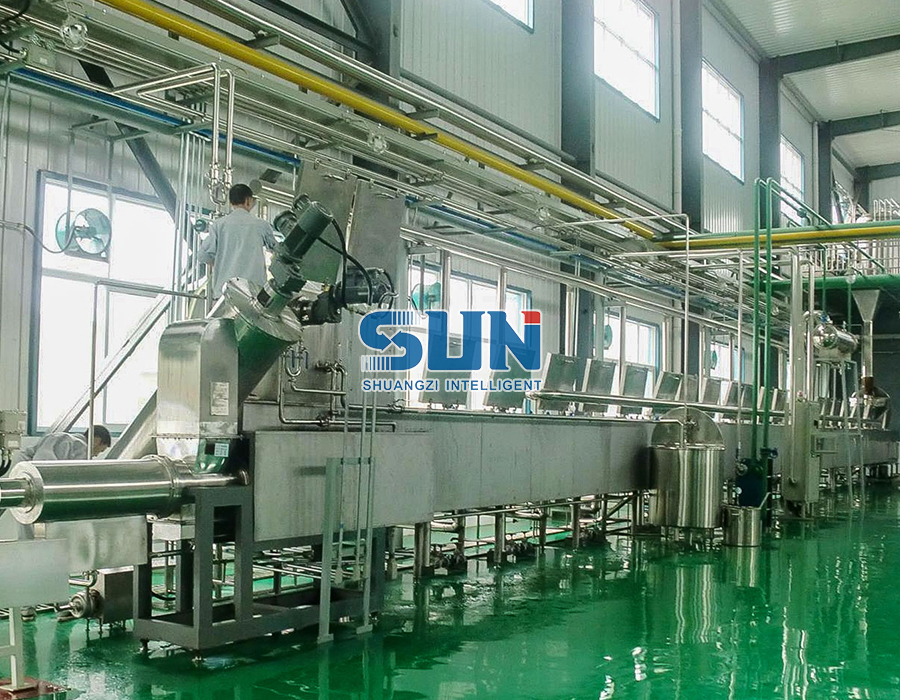
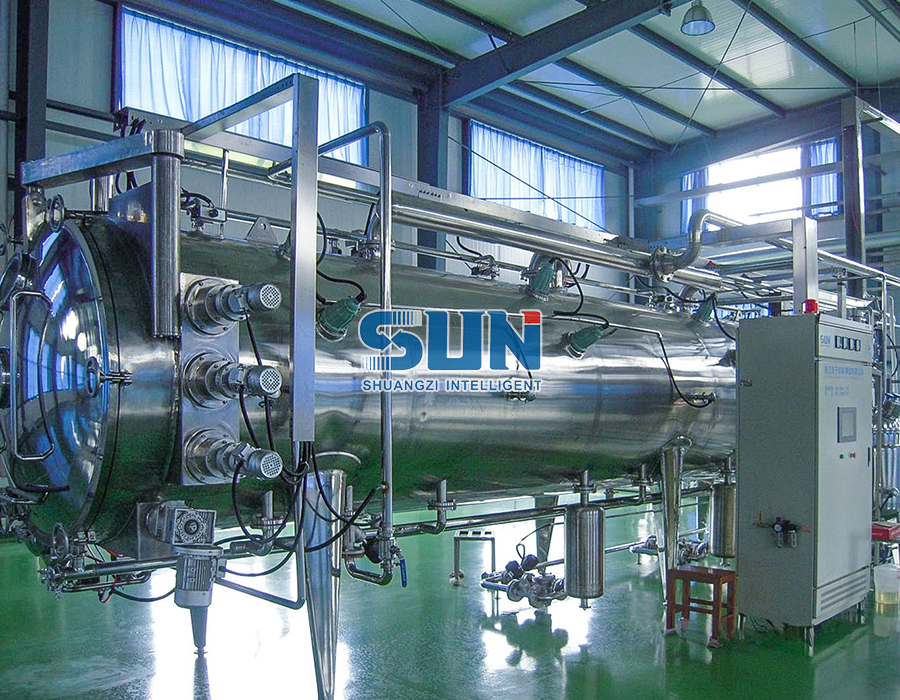
Additionally, the enterprise has a pilot production workshop that meets GMP requirements. This workshop includes full-scale production lines for vacuum low-temperature drying, plant extraction, fermentation, and evaporation—allowing clients to test their processes before scaling up to industrial production. For example, a pharmaceutical client can use the pilot line to test the performance of the liquid preparation tank with their specific API, ensuring that it meets their quality standards before investing in a full-scale tank.
3. Advanced Manufacturing Equipment & Quality Control
The enterprise uses state-of-the-art manufacturing equipment to ensure precision and consistency in tank production. Key equipment includes: (a) Plasma argon arc welding machines (for clean, strong welds that meet hygienic standards); (b) Plasma cutting machines (for precise cutting of stainless steel sheets); (c) CAM CNC machining centers (for custom parts like impellers and joints); (d) Hydrostatic pressure test machines (for verifying structural integrity); (e) Surface polishing machines (for achieving high-finish interior surfaces).
Quality control is integrated into every stage of production. Raw materials are inspected for compliance with SUS316L/SUS304 standards; welds are inspected using non-destructive testing (NDT) methods like ultrasonic testing; and finished tanks undergo a final inspection that includes pressure testing, leak testing, and surface finish verification. This rigorous quality control ensures that every tank meets or exceeds industry standards.
4. Compliance with Global Regulatory Standards
The enterprise understands the importance of regulatory compliance for its clients in the pharmaceutical and food industries. Its tanks are designed and manufactured to meet a range of global standards, including: (a) GMP (Good Manufacturing Practice) for pharmaceuticals; (b) ISO 14159 for food processing equipment; (c) ASME Section VIII for pressure vessels; (d) GB 150 for Chinese pressure vessel standards. This compliance ensures that clients can use the tanks without worrying about regulatory non-compliance or product recalls.
For example, the tank’s hygienic design (polished interior, quick-acting chucks) meets GMP requirements for preventing cross-contamination. The pressure testing and inspection processes comply with ASME standards, ensuring that the tank is safe for use under high-pressure conditions.
Detailed Product Specifications
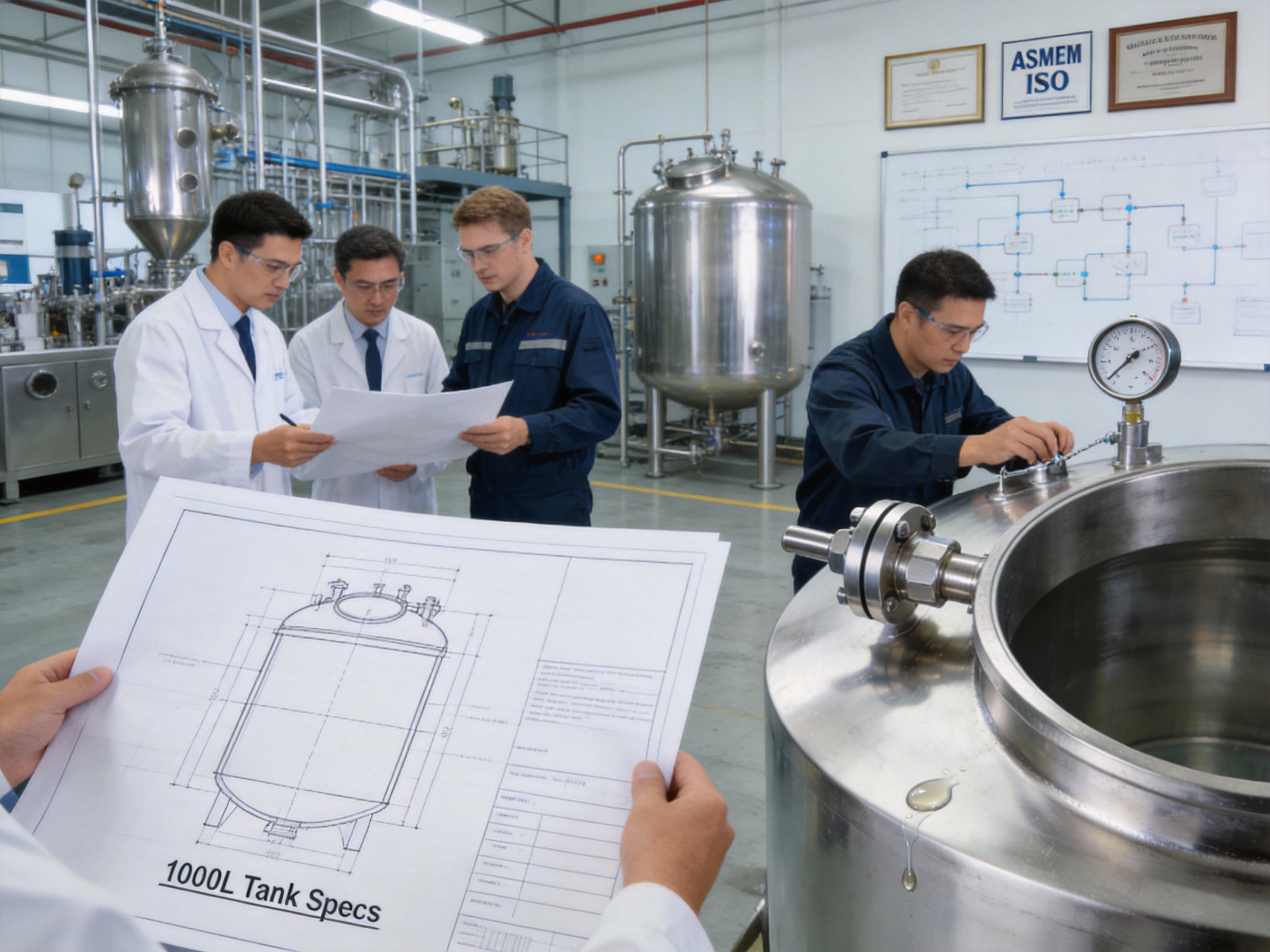
The table below outlines the standard specifications for the stainless steel liquid preparation storage tank. Customizations are available for all parameters:
Nominal volume (L) |
Working pressure (MPa) |
Working temperature (℃) |
Stirring speed (rpm) |
H (mm) |
H1 (mm) |
D (mm) |
D1 (mm) |
h (mm) |
100 |
0.25 |
100 |
0-720 |
1750 |
450 |
Φ750 |
Φ550 |
300 |
200 |
0.25 |
100 |
0-720 |
1950 |
600 |
Φ850 |
Φ650 |
300 |
600 |
0.25 |
100 |
0-720 |
2500 |
1000 |
Φ1100 |
Φ900 |
350 |
1000 |
0.25 |
100 |
0-720 |
2850 |
1200 |
Φ1300 |
Φ1100 |
350 |
2000 |
0.25 |
100 |
0-720 |
3350 |
1500 |
Φ1500 |
Φ1300 |
350 |
3000 |
0.25 |
100 |
0-720 |
3700 |
1700 |
Φ1700 |
Φ1500 |
350 |
5000 |
0.25 |
100 |
0-720 |
4250 |
2000 |
Φ2000 |
Φ1800 |
400 |
10000 |
0.25 |
100 |
0-720 |
5000 |
2500 |
Φ2500 |
Φ2300 |
400 |
Note: H = Total height of the tank; H1 = Height of the cylindrical section; D = Outer diameter of the tank; D1 = Inner diameter of the tank; h = Height of the conical bottom.
Q&A Section
Below are answers to common questions about the stainless steel liquid preparation storage tank:
Q1: Can the tank be customized for volume or pressure beyond the listed specs?
A: Yes. The enterprise offers full customization for all parameters, including nominal volume (from 50L to 20000L), working pressure (from 0.1 MPa to 0.5 MPa), and working temperature (from -20°C to 150°C). Clients can provide their specific requirements, and the engineering team will design a tank that meets their needs.
Q2: Is the tank compatible with CIP/SIP (Clean-in-Place/Sterilize-in-Place) systems?
A: Yes. The tank is designed with a CIP universal tank-cleaning device as standard, which uses high-pressure water or steam to clean the interior without disassembly. For SIP, the tank includes a sterilization steam opening that allows in-situ sterilization with saturated steam (121°C for 30 minutes). The hygienic design (polished interior, quick-acting chucks) ensures that cleaning and sterilization are effective.
Q3: What certifications does the tank have?
A: The tank is manufactured to meet GMP, ISO 14159, ASME Section VIII, and GB 150 standards. It undergoes third-party inspection to verify compliance, and the enterprise can provide certification documents (e.g., ASME stamp, GMP compliance report) upon request.
Q4: How long is the lead time for a custom tank?
A: The standard lead time for a non-custom tank is 2-3 weeks. For custom tanks, the lead time depends on the complexity of the requirements (e.g., additional instrumentation, special materials). Typically, custom tanks take 4-6 weeks from order confirmation to delivery.
Q5: Does the enterprise provide installation and commissioning services?
A: Yes. The enterprise offers on-site installation and commissioning services for clients worldwide. The team of engineers will install the tank, connect it to the production line, and commission it to ensure that it operates correctly. They will also provide training for the client’s staff on how to use and maintain the tank.
Q6: What maintenance is required for the tank?
A: Regular maintenance includes: (1) Cleaning the tank after each batch using the CIP system; (2) Inspecting the sanitary mechanical seal every 6 months and replacing it if worn; (3) Calibrating the level gauges and thermometers every 12 months; (4) Checking the pressure relief valve every 6 months. The enterprise provides a detailed maintenance manual with each tank.
Q7: What is the warranty period for the tank?
A: The enterprise offers a 12-month warranty for the tank from the date of commissioning. The warranty covers defects in materials and workmanship. For extended warranty options, clients can contact the enterprise.
References
1. American Society of Mechanical Engineers (ASME). (2022). ASME Boiler and Pressure Vessel Code, Section VIII, Division 1: Rules for Construction of Pressure Vessels. New York: ASME International.
2. European Medicines Agency (EMA). (2021). GMP Guidelines: Annex 11—Computerized Systems. London: EMA.
3. Food and Drug Administration (FDA). (2020). Sanitary Design Principles for Food Processing Equipment. Silver Spring: FDA Center for Food Safety and Applied Nutrition.
4. International Organization for Standardization (ISO). (2019). ISO 14159:2019—Hygiene Requirements for Machinery Used in the Food, Beverage and Feed Industries. Geneva: ISO.
5. Smith, J. D., & Lee, H. S. (2023). Biopharmaceutical Equipment: Design, Validation, and Compliance. Academic Press: New York.
6. World Health Organization (WHO). (2022). Good Manufacturing Practices for Pharmaceutical Products: Annex 2—Validation. Geneva: WHO.
7. Zhang, Y. Q., et al. (2021). "Hygienic Design of Stainless Steel Tanks for Pharmaceutical Manufacturing." Journal of Pharmaceutical Innovation, 16(3), 245-258.