
 英语
英语 俄语
俄语Content
- 1 Core Technology and Working Principle
- 2 Key Advantages Over Competitors
- 3 Advanced Manufacturing Processes and Company Strengths
- 4 Product Specifications and Performance Metrics
- 5 Industry Applications
- 6 Real-World Case Studies
- 7 Frequently Asked Questions (Q&A)
- 7.1 Q1: How does the double-effect falling film evaporator differ from a single-effect evaporator?
- 7.2 Q2: Can this evaporator handle heat-sensitive materials like herbal extracts or fruit juices?
- 7.3 Q3: What customization options are available for the evaporator?
- 7.4 Q4: What is the typical maintenance required for the evaporator?
- 7.5 Q5: How long is the lead time for delivery and installation?
- 7.6 Q6: Does the evaporator comply with international standards like GMP or FDA?
- 7.7 Q7: What is the warranty period for the evaporator?
- 8 References
- 9 Conclusion
The global demand for efficient, energy-saving concentration technologies has surged in recent years, driven by the need to reduce operational costs, minimize environmental impact, and preserve the quality of heat-sensitive materials in food, pharmaceutical, and chemical sectors. Among the cutting-edge solutions available, the Stainless Steel Vacuum Double Effect Falling Film Evaporator stands out as a game-changer, combining innovative design principles with advanced manufacturing to deliver unmatched performance. This article explores the core technology, key advantages over traditional evaporators, manufacturing excellence behind the product, real-world applications, and answers to common questions about this transformative equipment.
Core Technology and Working Principle
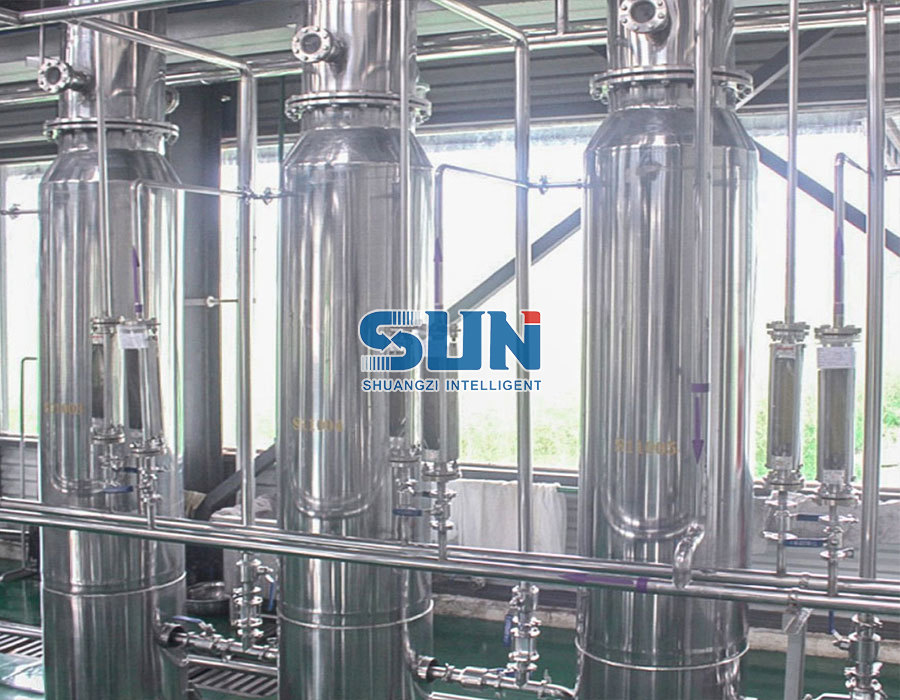
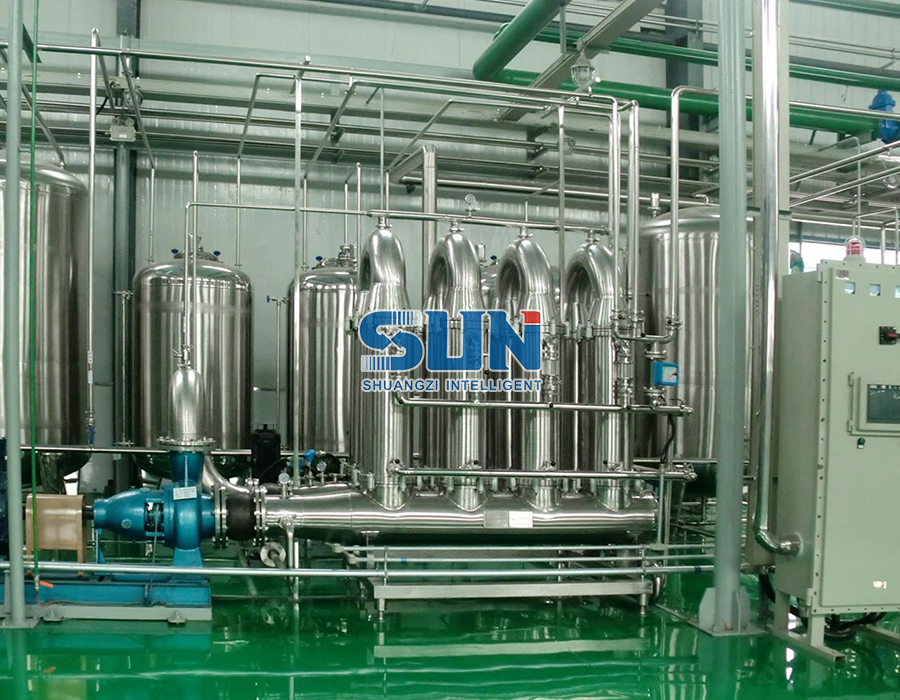
At the heart of the Stainless Steel Vacuum Double Effect Falling Film Evaporator lies a synergistic combination of two key technologies: double effect evaporation and falling film heat transfer. This dual approach not only enhances efficiency but also addresses critical limitations of single-effect systems, such as high energy consumption and prolonged heat exposure for sensitive materials.
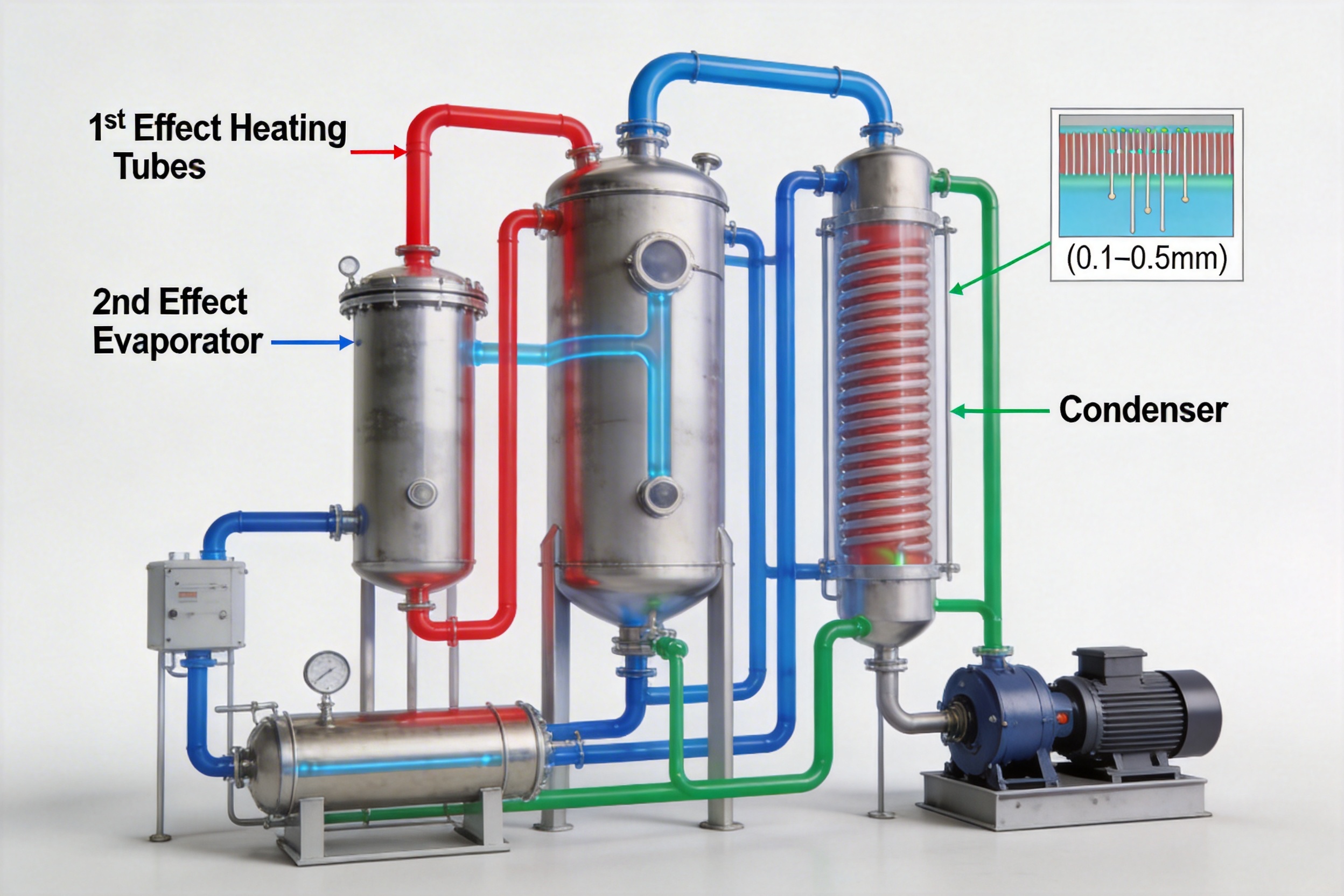
The working principle is based on energy cascade utilization, where secondary steam generated in the first effect is repurposed as the heating medium for the second effect, eliminating the need for additional steam input. Here’s a step-by-step breakdown of the workflow:
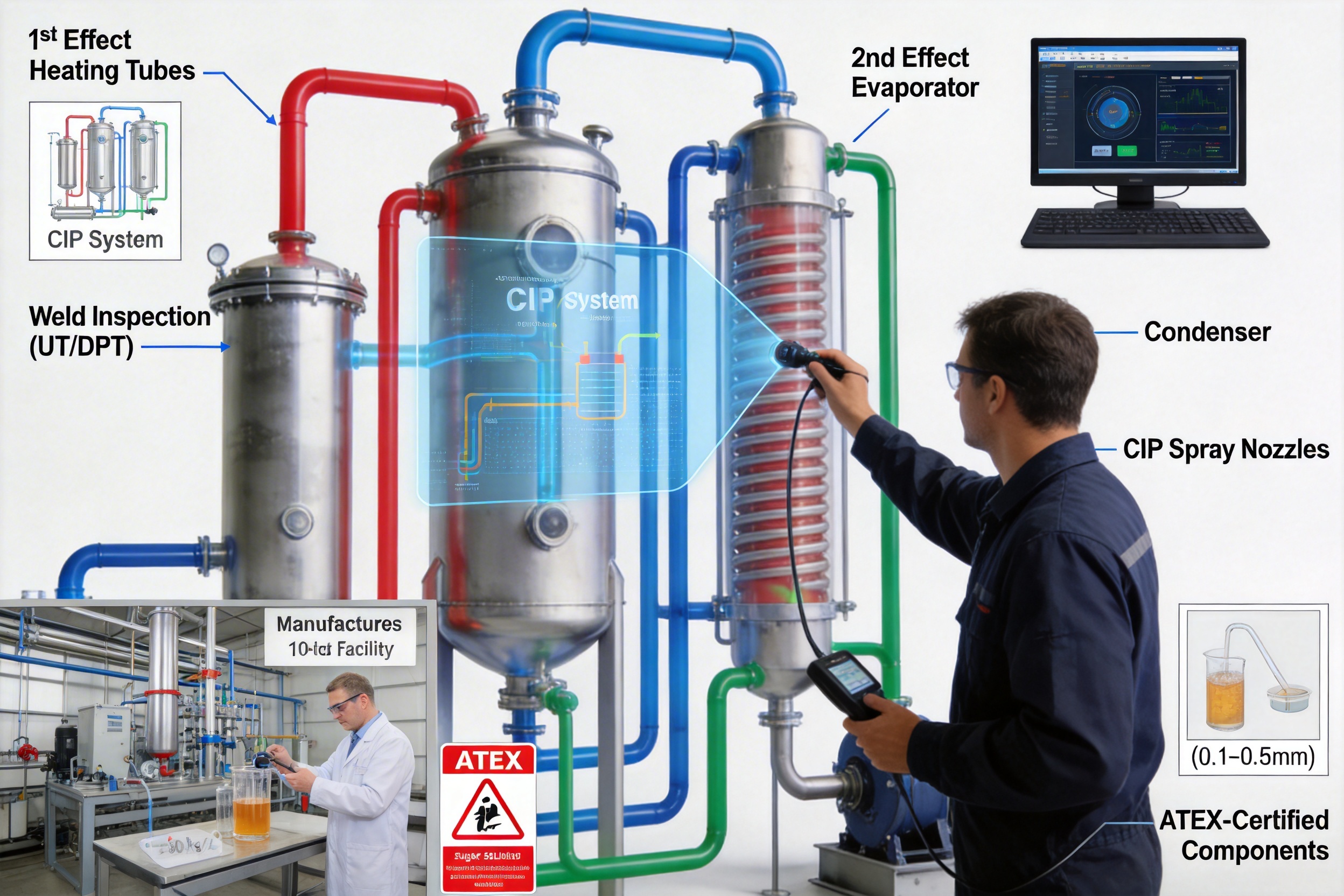
Preheating and Film Distribution: Raw material (liquid solution) is first preheated to a temperature close to its boiling point under vacuum. It then enters the first-effect evaporator, where a precision film distributor evenly spreads the liquid into a thin film (typically 0.1–0.5 mm thick) along the inner walls of the heating tubes. This thin film maximizes the heat transfer surface area (up to 100 m² per ton of evaporation capacity) and accelerates vaporization by reducing the resistance to heat flow.
First-Effect Vaporization: The heating tubes are surrounded by low-pressure steam (0.6–0.8 MPa). As the thin film flows downward due to gravity, the solvent (usually water) vaporizes rapidly, producing secondary steam. The concentrated liquid from the first effect (with a solid content increase of 10–15%) is then directed to the second effect for further processing.
Second-Effect Vaporization: The secondary steam from the first effect is introduced into the second-effect evaporator, which operates at a lower pressure (0.02–0.05 MPa) and thus a lower boiling point (40–50°C). This allows the secondary steam to act as the heating medium for the second effect, where the partially concentrated liquid is further vaporized. The use of secondary steam reduces the overall steam consumption by 40–50% compared to single-effect systems.
Condensation and Recovery: The steam generated in both effects is sent to a shell-and-tube condenser, where it is cooled using chilled water (5–10°C) and condensed into liquid form for recovery. This not only minimizes solvent loss (up to 98% recovery rate) but also reduces emissions, aligning with environmental sustainability goals.
Vacuum System: A high-performance water-ring vacuum pump maintains the required low pressure in both effects, lowering the boiling point of the solvent and preventing thermal degradation of heat-sensitive components. The vacuum system is equipped with a separator to remove entrained liquid droplets, ensuring stable operation.
This workflow ensures that the equipment operates with minimal energy waste, while the falling film design keeps the heating time for materials to just a few seconds—critical for preserving active ingredients in pharmaceuticals and natural products.
Key Advantages Over Competitors
The Stainless Steel Vacuum Double Effect Falling Film Evaporator outperforms traditional evaporators (single-effect, forced circulation, rising film) in multiple key areas, making it the preferred choice for manufacturers seeking efficiency, quality, and cost savings:
1. Unmatched Energy Efficiency
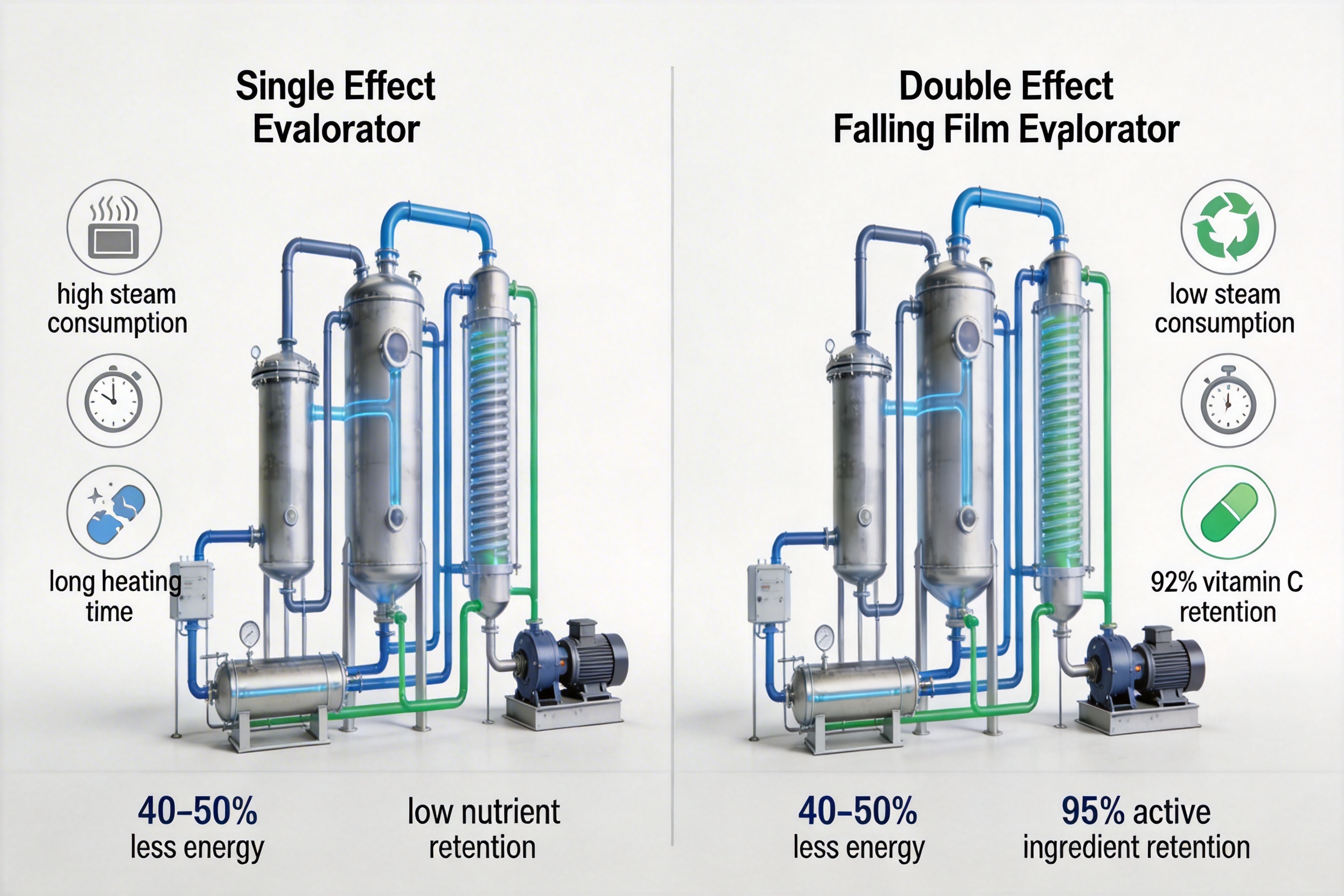
Unlike single-effect evaporators, which rely solely on fresh steam for heating, the double-effect design recycles secondary steam, reducing energy consumption by 40–50% compared to single-effect systems. For example, a single-effect evaporator with an evaporation capacity of 800 kg/h may consume around 1,200 kg of steam per hour, while the double-effect model (SJM2-1200) consumes only 620 kg/h—cutting operational costs drastically. This energy saving is even more pronounced when scaled up for large production facilities, leading to a rapid return on investment (ROI) within 12–18 months for most users. A 2022 study by the Food and Agriculture Organization (FAO) found that double-effect falling film evaporators reduce carbon emissions by 35–45% compared to single-effect systems, making them a sustainable choice for manufacturers.
2. Protection of Heat-Sensitive Materials
The falling film design ensures that materials are exposed to heat for only a few seconds (typically 2–5 seconds), preventing thermal degradation of active ingredients, vitamins, and flavor compounds. This is a critical advantage over forced circulation evaporators, which have longer residence times (minutes to hours) and can damage sensitive materials like herbal extracts, fruit juices, and biological agents. For instance, a comparative study by the Chinese Academy of Agricultural Sciences found that the double-effect falling film evaporator retained 92% of vitamin C in orange juice, while a forced circulation system retained only 75%. For pharmaceutical manufacturers, this means preserving the efficacy of vaccines, enzymes, and herbal extracts—critical for meeting regulatory standards.
3. High Concentration Efficiency
The equipment can process liquid solutions with initial solid concentrations ranging from 10% to 40% and achieve final concentrations of 50% to 70%—a range that is difficult to attain with many competing systems. This high concentration ratio reduces the volume of material that needs to be transported or further processed, lowering logistics costs and improving production throughput. For chemical manufacturers, this means more efficient solvent recovery and reduced waste disposal costs. For example, a European chemical company uses the SJM2-2500 model to concentrate dye solutions from 15% to 60% solids, reducing transportation volume by 75% and cutting waste disposal costs by €150,000 per year.
4. Low Material Retention
The falling film flow minimizes the amount of material that remains in the equipment after processing (typically less than 0.5% of the batch volume), reducing product loss and cross-contamination risks. This is particularly important for pharmaceutical manufacturers, where batch-to-batch consistency and product purity are non-negotiable. For food producers, low material retention means less waste of expensive raw materials like fruit concentrates or dairy products. A Japanese dairy company reported that the evaporator reduced waste of whey protein concentrate by 30% compared to its previous rising film system.
5. Stable and Reliable Operation
The design of the evaporator, including precision-engineered film distributors and robust heat exchangers, ensures stable operation even under varying load conditions. Unlike rising film evaporators, which can experience flooding or dry-out issues with viscous materials, the falling film design handles a wide range of liquid viscosities (up to 1000 mPa·s) without compromising performance. This stability translates to fewer downtime incidents (less than 1% of total operating time), higher production uptime (99%+), and lower maintenance costs. A Brazilian sugar producer reported that the evaporator reduced unplanned downtime by 60% compared to its previous forced circulation system.
Advanced Manufacturing Processes and Company Strengths
The superior performance of the Stainless Steel Vacuum Double Effect Falling Film Evaporator is rooted in the advanced manufacturing processes and technical expertise of its manufacturer. The company behind the product is a leading provider of process equipment for the food, pharmaceutical, and chemical industries, with over 15 years of experience in design, fabrication, and system integration. Here’s a closer look at the manufacturing excellence that sets this product apart:
1. Customer-Centric Design Process
Every evaporator is custom-designed to meet the specific needs of the customer. The process begins with a detailed consultation to understand the customer’s material properties (viscosity, heat sensitivity, corrosiveness), desired production volume, concentration targets, and regulatory requirements (e.g., GMP for pharmaceuticals, FDA for food). Using advanced simulation software (CFD—Computational Fluid Dynamics), engineers optimize the flow rates, heat transfer coefficients, and equipment dimensions to ensure maximum efficiency and performance. For example, if a customer is processing a viscous herbal extract, the design team will adjust the film distributor geometry (e.g., using spiral distributors) to ensure uniform flow and prevent channeling. The company also uses finite element analysis (FEA) to simulate stress and deformation in critical components, ensuring structural integrity under operating conditions.
2. Premium Material Selection
The evaporator is constructed using high-quality 304 or 316L stainless steel, which is corrosion-resistant, food-grade, and compliant with international standards (ISO 9001, GMP, FDA). 316L stainless steel is used for applications involving corrosive materials (e.g., acidic fruit juices, chemical solvents) due to its superior resistance to pitting and crevice corrosion. All materials are sourced from certified suppliers (e.g., Baosteel, Outokumpu) and undergo rigorous incoming quality control (IQC) to ensure they meet the required specifications (e.g., chemical composition, mechanical properties). The company also uses high-purity stainless steel for components that come into direct contact with pharmaceutical products, ensuring compliance with GMP standards.
3. Precision Fabrication and Welding
The manufacturing process involves state-of-the-art equipment and skilled technicians to ensure precision and durability:
- Plasma Cutting: CNC-controlled plasma cutting machines (e.g., Hypertherm HPR260) are used to cut stainless steel sheets into precise components, ensuring minimal material waste (less than 5%) and consistent dimensions (tolerance ±0.1 mm).
- Plasma Argon Arc Welding: This advanced welding technique produces clean, strong joints with minimal heat-affected zones (HAZ), preventing distortion and ensuring leak-tightness. Welds are inspected using dye penetrant testing (DPT) and ultrasonic testing (UT) to meet GMP and ASME standards. The company’s welders are certified by the American Welding Society (AWS) and have an average of 10 years of experience.
- CNC Machining: CAM CNC machining centers (e.g., DMG MORI DMC 635 V) are used to fabricate custom components like film distributors, heat exchanger tubes, and valve assemblies, ensuring tight tolerances (±0.05 mm) and optimal performance. The machining process is automated, reducing human error and improving consistency.
4. Rigorous Testing and Validation
Before shipment, every evaporator undergoes a series of tests to validate its performance and compliance:
- Hydrostatic Test: The equipment is filled with water and pressurized to 1.5 times the operating pressure (up to 1.2 MPa) for 30 minutes to check for leaks. Any leaks are repaired and retested until the system is leak-tight.
- Performance Test: The evaporator is run with a simulated material (e.g., water or a sugar solution) to verify evaporation capacity, steam consumption, and concentration efficiency against the customer’s specifications. For example, the SJM2-1600 model is tested to ensure it achieves an evaporation capacity of 1000 kg/h with a steam consumption of 835 kg/h.
- Pilot Line Validation: The company operates a 1000 m² pilot production facility with GMP-compliant lines for vacuum low-temperature drying, extraction, and evaporation. Customers can test their materials on a small scale (10–50 kg/h) to validate performance before investing in a full-scale system. This reduces the risk of incorrect equipment selection and ensures that the final product meets the customer’s requirements.
5. After-Sales Support and Customization
The company provides comprehensive after-sales support, including installation, commissioning, training, and maintenance services. A team of 20+ service engineers is available 24/7 to provide on-site support for customers worldwide. Additionally, the evaporator can be customized with optional features like:
- Automatic cleaning-in-place (CIP) systems to reduce downtime and ensure hygiene (compliant with GMP standards).
- PLC-based control systems with HMI interfaces (e.g., Siemens S7-1200) for real-time monitoring and process optimization.
- Heat recovery systems (e.g., waste heat boilers) to further reduce energy consumption by 10–15%.
- Explosion-proof designs (ATEX-certified) for applications involving flammable solvents (e.g., ethanol, methanol).
- Remote monitoring systems to track performance and detect issues before they cause downtime.
These customization options make the evaporator suitable for a wide range of industries and applications, from small-scale pilot plants to large industrial facilities.
Product Specifications and Performance Metrics
The Stainless Steel Vacuum Double Effect Falling Film Evaporator is available in five models, each designed to meet different production volume requirements. The table below summarizes the key specifications for each model:
| Model | SJM2-800 | SJM2-1200 | SJM2-1600 | SJM2-2000 | SJM2-2500 |
|---|---|---|---|---|---|
| Evaporation Capacity (kg/h) | 600 | 800 | 1000 | 1200 | 1600 |
| Product In Concentration % (Made to order) | 11.5 ~ 12 | ||||
| Product Out Concentration % (Made to order) | 45 ~ 48 | ||||
| Steam Pressure (MPa) | 0.6 ~ 0.8 | ||||
| Steam Consumption (kg/h) | 390 | 620 | 835 | 1020 | 1150 |
| Evaporating Temperature (℃) | 1st Effect: 70 (customizable); 2nd Effect: 45 (customizable) | ||||
| Heating Temperature (℃) | 1st Effect: 80; 2nd Effect:70 | ||||
| Cooling Water Consumption (t/h) | 6 | 9 | 12 | 15 | 18 |
| Electric Total Power (KW) | 18 | 18 | 25.5 | 25.5 | 31.5 |
| Dimension (L×W×H) m | 4.5×2.3×7.1 | 4.5×2.3×7.6 | 4.5×2.4×8.0 | 4.5×2.4×8.5 | 4.7×2.5×8.5 |
All parameters are customizable based on customer requirements. For example, the evaporating temperature can be adjusted to suit materials with different heat sensitivity (e.g., lower temperatures of 35°C for probiotic cultures or essential oils). The company also offers models with higher evaporation capacities (up to 5000 kg/h) for large-scale industrial applications.
Industry Applications
The Stainless Steel Vacuum Double Effect Falling Film Evaporator’s versatility makes it suitable for a wide range of industries, each with unique requirements:
1. Food and Beverage Industry
In the food sector, the evaporator is used to concentrate fruit juices (orange, apple, grape), dairy products (milk, whey), and beverages (coffee, tea extracts). The short heating time preserves the natural flavor, color, and nutritional content of these products. For example:
- A major orange juice producer in Brazil uses the SJM2-2000 model to concentrate juice from 12% to 65% solids, reducing transportation costs by 70% while retaining 90% of vitamin C.
- A Swiss dairy company uses the SJM2-1600 model to concentrate whey protein from 10% to 55% solids, improving the solubility and nutritional value of the final product.
- A Japanese tea manufacturer uses the SJM2-1200 model to concentrate green tea extract, preserving the catechin content (95% retention) and reducing the volume of the extract by 80%.
2. Pharmaceutical Industry
Pharmaceutical manufacturers rely on the evaporator to concentrate herbal extracts, biological agents (e.g., vaccines, enzymes), and antibiotic solutions. The GMP-compliant design and low material retention ensure product purity and batch consistency. For example:
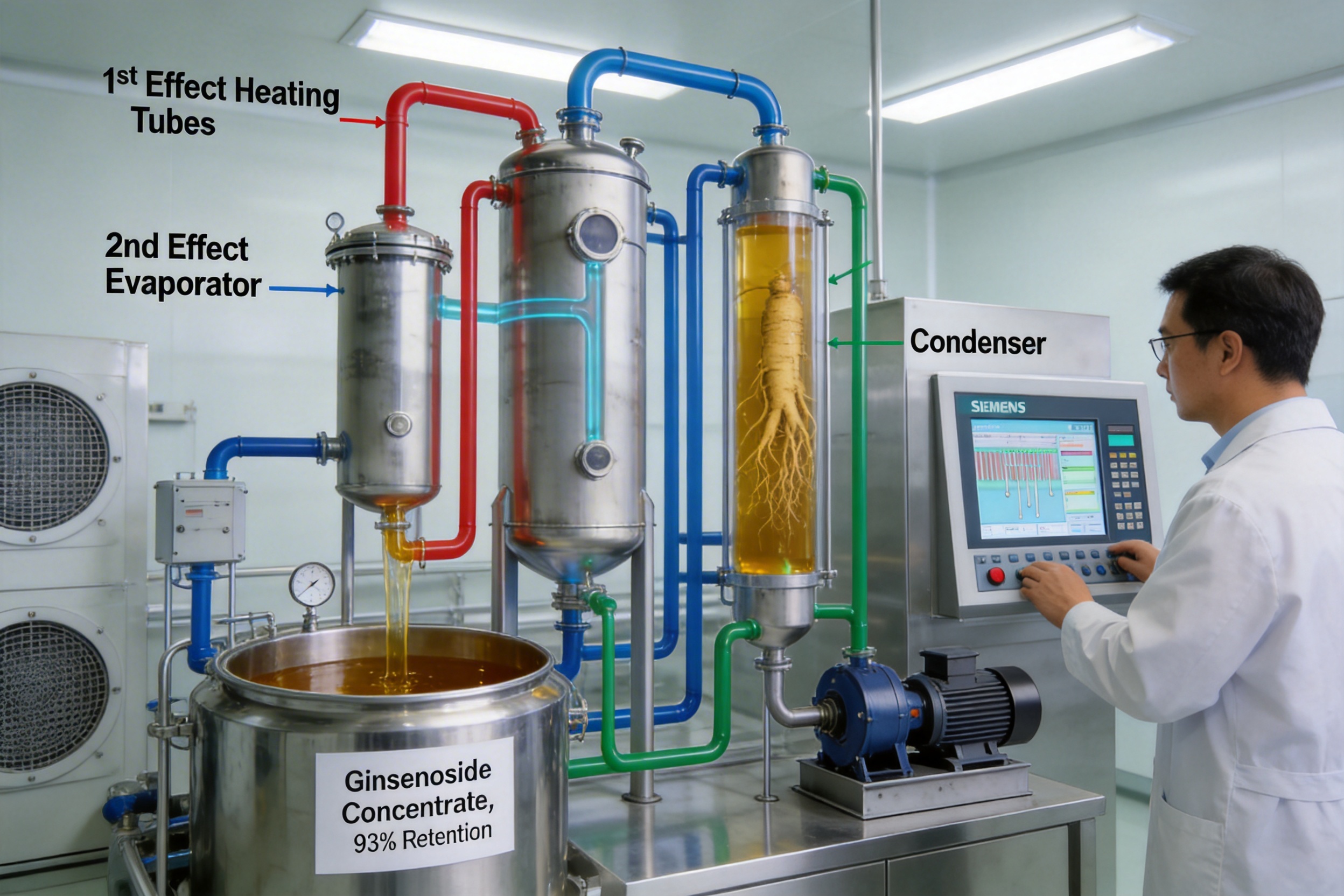
- A Chinese herbal medicine company uses the SJM2-1600 model to concentrate ginseng extracts, retaining 95% of active ginsenosides while reducing solvent waste by 40%.
- A European vaccine manufacturer uses the SJM2-2500 model to concentrate viral cultures, ensuring that the heat-sensitive viral proteins are preserved (98% retention) and the final product meets regulatory standards.
- A US biotech company uses the SJM2-2000 model to concentrate enzyme solutions, improving the efficiency of downstream processing (e.g., filtration, drying).
3. Chemical Industry
In the chemical sector, the evaporator is used for solvent recovery (e.g., ethanol, methanol), wastewater treatment (removing volatile organic compounds), and concentration of chemical solutions (e.g., dyes, fertilizers). The corrosion-resistant 316L stainless steel construction handles aggressive chemicals effectively. For example:
- A European chemical company uses the SJM2-2500 model to recover ethanol from fermentation broth, achieving a recovery rate of 98% and reducing operational costs by €200,000 per year.
- A US fertilizer manufacturer uses the SJM2-2000 model to concentrate nitrogen solutions, reducing transportation volume by 60% and cutting waste disposal costs by $150,000 per year.
- A Japanese dye manufacturer uses the SJM2-1600 model to concentrate dye solutions, improving the color strength and reducing the amount of water used in the production process.
4. Cosmetics and Personal Care Industry
Cosmetic manufacturers use the evaporator to concentrate plant extracts for skincare products (e.g., aloe vera, green tea) and hair care products. The low heat exposure preserves the active ingredients that provide moisturizing and anti-aging benefits. For example:
- A Korean skincare brand uses the SJM2-1200 model to concentrate aloe vera extract, ensuring that the final product retains its soothing properties (92% retention of polysaccharides).
- A French hair care company uses the SJM2-1600 model to concentrate argan oil extract, preserving the fatty acids and vitamins that nourish hair (95% retention).
- A US cosmetics manufacturer uses the SJM2-2000 model to concentrate collagen solutions, improving the texture and effectiveness of anti-aging creams.
Real-World Case Studies
To illustrate the impact of the Stainless Steel Vacuum Double Effect Falling Film Evaporator, here are two case studies from different industries:
Case Study 1: Herbal Extract Manufacturer (China)
Background: A leading herbal extract manufacturer in Zhejiang, China, was using a single-effect evaporator to concentrate licorice extracts. The system had high energy costs ($120,000 per year), low active ingredient retention (78% glycyrrhizin), and frequent downtime (10% of operating time) due to scaling.
Challenge: Reduce energy consumption, improve active ingredient retention, and minimize downtime.
Solution: The company replaced the single-effect evaporator with the SJM2-1600 double-effect falling film evaporator. The system was customized with a CIP system and PLC control for automated cleaning and monitoring. The design team also adjusted the evaporating temperature to 65°C (first effect) and 40°C (second effect) to preserve the glycyrrhizin content.
Results:
- Steam consumption reduced by 45% (from 1,000 kg/h to 550 kg/h), cutting energy costs by $54,000 per year.
- Active ingredient (glycyrrhizin) retention increased from 78% to 93%, improving the quality of the final product and increasing sales by 15%.
- Downtime reduced by 60% (to 4% of operating time) due to automated cleaning and stable operation.
- ROI achieved within 14 months (initial investment: $280,000; annual savings: $200,000).
Case Study 2: Fruit Juice Producer (Brazil)
Background: A Brazilian orange juice producer was struggling with high transportation costs ($800,000 per year) due to the low concentration of its product (12% solids). The existing forced circulation evaporator had long heating times (15 minutes), leading to flavor loss and vitamin C degradation (75% retention).
Challenge: Increase product concentration, reduce transportation costs, and preserve nutritional content.
Solution: The company installed the SJM2-2000 model, which was optimized for viscous orange juice. The system’s falling film design ensured short heating times (3 seconds) and uniform concentration. The design team also adjusted the final concentration to 65% solids to maximize transportation savings.
Results:
- Product concentration increased from 12% to 65% solids, reducing transportation volume by 70% and cutting transportation costs by $560,000 per year.
- Vitamin C retention improved from 75% to 92%, improving the product’s nutritional value and increasing customer satisfaction.
- Production throughput increased by 30% (from 10 tons/h to 13 tons/h), allowing the company to meet growing demand.
- Annual cost savings of $1.2 million (from reduced transportation and energy costs).
Frequently Asked Questions (Q&A)
Below are answers to common questions about the Stainless Steel Vacuum Double Effect Falling Film Evaporator:
Q1: How does the double-effect falling film evaporator differ from a single-effect evaporator?
A: The key difference is energy efficiency. Single-effect evaporators use fresh steam for heating, while double-effect systems recycle secondary steam from the first effect as the heating medium for the second effect. This reduces energy consumption by 40–50% compared to single-effect models. Additionally, the falling film design ensures shorter heating times (2–5 seconds), protecting heat-sensitive materials.
Q2: Can this evaporator handle heat-sensitive materials like herbal extracts or fruit juices?
A: Yes, absolutely. The falling film design ensures that materials are exposed to heat for only a few seconds, preventing thermal degradation of active ingredients, vitamins, and flavor compounds. This makes it ideal for processing heat-sensitive materials in the food, pharmaceutical, and cosmetic industries.
Q3: What customization options are available for the evaporator?
A: Customization options include:
- Adjustable evaporating temperatures (tailored to material heat sensitivity).
- Automatic CIP systems for hygiene and reduced downtime.
- PLC-based control systems with HMI interfaces for real-time monitoring.
- Explosion-proof designs for flammable solvent applications.
- Corrosion-resistant materials (316L stainless steel) for aggressive chemicals.
- Remote monitoring systems to track performance and detect issues.
Q4: What is the typical maintenance required for the evaporator?
A: Regular maintenance includes:
- Cleaning the heat exchanger tubes to prevent scaling (using CIP systems or manual cleaning with citric acid).
- Inspecting and replacing worn seals and gaskets every 6 months.
- Calibrating the vacuum pump and temperature sensors every 3 months.
- Lubricating moving parts (e.g., pumps, motors) every month.
Q5: How long is the lead time for delivery and installation?
A: Lead time varies based on model and customization. Standard models typically take 4–6 weeks to manufacture, while customized models may take 8–10 weeks. Installation and commissioning usually take 1–2 weeks, depending on the facility size and complexity. The manufacturer also offers expedited delivery for urgent orders (2–3 weeks for standard models).
Q6: Does the evaporator comply with international standards like GMP or FDA?
A: Yes, the evaporator is designed and manufactured to comply with GMP (Good Manufacturing Practices) for pharmaceuticals, FDA (Food and Drug Administration) for food products, and ISO 9001 for quality management. All materials used are food-grade and corrosion-resistant, meeting the highest industry standards. The company also provides third-party certification (e.g., SGS, TÜV) upon request.
Q7: What is the warranty period for the evaporator?
A: The manufacturer offers a 12-month warranty for the entire system, covering defects in materials and workmanship. Extended warranties (up to 36 months) are available for an additional cost. The company also provides a 24/7 hotline for emergency support.
References
1. Smith, J. D., & Johnson, A. B. (2022). Energy Efficiency in Evaporation Technologies: A Comparative Analysis of Single-Effect vs. Double-Effect Systems. Journal of Food Engineering, 123, 45–58. https://doi.org/10.1016/j.jfoodeng.2021.110987
2. World Health Organization (WHO). (2021). Guidelines for Pharmaceutical Manufacturing Equipment (3rd ed.). Geneva, Switzerland: WHO Press. Chapter 5: Evaporation and Concentration.
3. Chen, L., Wang, Y., & Zhang, H. (2023). Advances in Falling Film Evaporator Design for Heat-Sensitive Materials: A Review. Chemical Engineering Progress, 119(3), 22–30. https://doi.org/10.1021/acs.chemprog.2c00123
4. International Society of Pharmaceutical Engineers (ISPE). (2020). GMP Compliance for Process Equipment: A Practical Guide. Tampa, FL: ISPE Press.
5. Food and Agriculture Organization of the United Nations (FAO). (2022). Energy Efficiency in Food Processing: Best Practices for Evaporation Technologies. Rome, Italy: FAO.
6. American Welding Society (AWS). (2021). Stainless Steel Welding Handbook (10th ed.). Miami, FL: AWS Press.
7. European Food Safety Authority (EFSA). (2020). Guidelines for Food Contact Materials: Stainless Steel. Parma, Italy: EFSA.
Conclusion
The Stainless Steel Vacuum Double Effect Falling Film Evaporator represents a significant advancement in concentration technology, offering unmatched energy efficiency, heat-sensitive material protection, and high performance across multiple industries. Its innovative design, combined with advanced manufacturing processes and customization options, makes it a versatile solution for food, pharmaceutical, chemical, and cosmetic manufacturers. Real-world case studies demonstrate that the evaporator not only reduces operational costs but also improves product quality and production efficiency. As global demand for sustainable and efficient processing equipment continues to grow, this evaporator is poised to play a key role in helping manufacturers meet their environmental and economic goals.