
 英语
 俄语
Content
- 1 1. The Role of Efficient Separation in Biological and Natural-Product Processing
- 2 2. Working Principle of the Vertical Disc Stack Centrifuge
- 3 3. Structural Features and Material Selection
- 4 4. Main Product Advantages
- 5 5. Comparison with Conventional Separation Methods
- 6 6. Model Range and Technical Parameters
- 7 7. Application in Herbal Extract Processing
- 8 8. Application in Biological Fermentation
- 9 9. Application in Food, Beverage, Oil, and Biochemical Processing
- 10 10. Manufacturing Strengths and Engineering Capabilities
- 11 11. Installation and Process-Design Considerations
- 12 12. Operation, Maintenance, and Safety
- 13 13. Selecting the Appropriate Model
- 14 14. Why Choose an Integrated Equipment and Engineering Supplier?
- 15 15. Quality, Customization, and Long-Term Value
- 16 16. Frequently Asked Questions
- 16.1 Q1. What materials can this disc stack centrifuge process?
- 16.2 Q2. How does the disc stack improve separation?
- 16.3 Q3. Can the centrifuge remove very fine particles?
- 16.4 Q4. Is the liquid outlet continuous?
- 16.5 Q5. How are accumulated solids removed?
- 16.6 Q6. Which model is suitable for a herbal extract line?
- 16.7 Q7. Can the equipment be used for fermentation broth?
- 16.8 Q8. What are the benefits of stainless-steel material-contact parts?
- 16.9 Q9. Is the centrifuge suitable for a turnkey project?
- 16.10 Q10. What information should be supplied for a technical quotation?
- 16.11 Q11. Does the largest model always provide the best solution?
- 16.12 Q12. What industries can benefit from this equipment?
- 17 17. Conclusion
- 18 References
- 19 Product: Vertical Disc Stack Centrifuge Separator for Biological Liquid Herb Extract Solid-liquid Separation
Modern biological, pharmaceutical, food, and natural-product manufacturers require separation equipment that can deliver high clarification efficiency, stable continuous operation, sanitary construction, and dependable process control. Biological liquids and herbal extracts often contain fine suspended solids, colloidal materials, cellular fragments, precipitates, oil phases, and other impurities that are difficult to remove with ordinary settling tanks or conventional filtration equipment. A vertical disc stack centrifuge separator provides an efficient solution by using high-speed centrifugal force and a specially designed stack of closely spaced discs to accelerate solid-liquid and liquid-liquid separation.
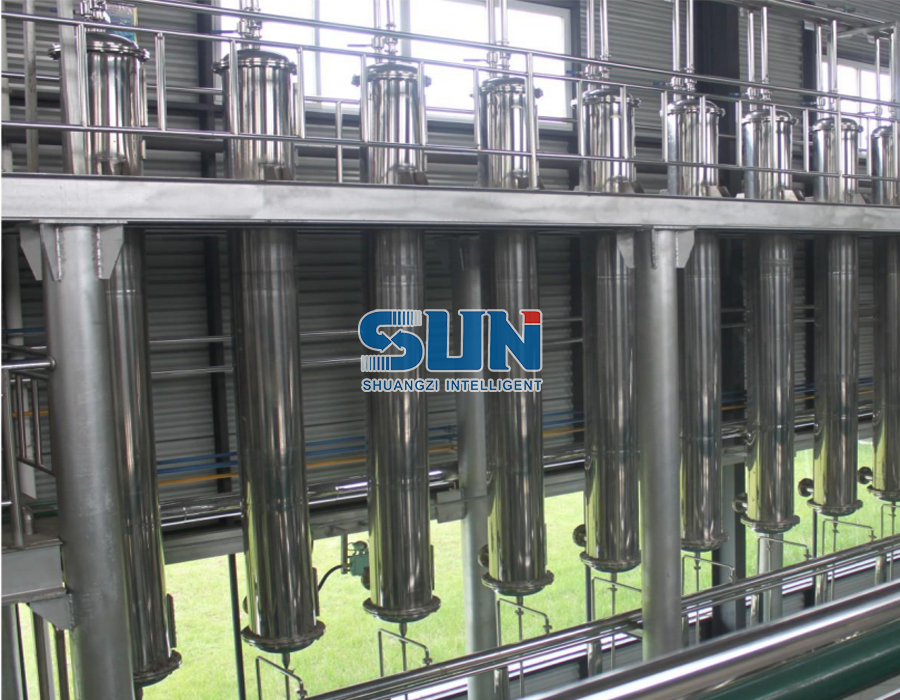
The vertical disc stack centrifuge described in this article is designed for the separation of biological liquids, herbal extracts, fermentation broths, edible oils, beverages, and related process materials. Its structure combines a vertical rotating bowl, multiple overlapping separation discs, a central feed system, clarified-liquid outlets, and a solid-collection area. Depending on the selected model and process requirements, accumulated solids can be removed manually after shutdown or discharged through an automatic slag-discharge structure.
As part of a broader range of process equipment and turnkey engineering capabilities, this centrifuge is suitable for laboratory development, pilot production, and medium-to-small continuous production lines. Its stainless-steel material-contact parts, compact arrangement, high rotational speed, and adaptable capacity make it a practical choice for manufacturers seeking better separation performance without unnecessarily complex plant layouts.
1. The Role of Efficient Separation in Biological and Natural-Product Processing
Separation is one of the most important stages in biological and natural-product manufacturing. After extraction, fermentation, precipitation, enzymatic treatment, or blending, the process liquid may contain a mixture of useful dissolved components and unwanted suspended material. If these impurities are not removed effectively, they can affect downstream concentration, evaporation, crystallization, drying, filling, storage stability, and final product appearance.
Herbal extracts are a typical example. Plant materials release fibers, fine powders, cell fragments, insoluble tissue, resinous particles, and colloidal substances during extraction. Even when coarse filtration has been completed, a large amount of fine sediment may remain in the liquid. These particles can reduce heat-transfer efficiency in evaporators, block narrow passages, increase cleaning frequency, and lower the clarity and consistency of the final extract.
Fermentation broths present a different but equally demanding challenge. They may contain microbial cells, cell debris, proteins, polysaccharides, insoluble nutrients, and other suspended solids. The desired product may remain in the liquid phase, inside the cells, or in a combination of phases. A separator must therefore provide controlled treatment while protecting product quality and maintaining a steady flow to the next process stage.
In food and beverage applications, the separation objective may be clarification, removal of sediment, recovery of valuable solids, or separation of an oil phase from an aqueous phase. The equipment must perform these tasks while meeting expectations for hygienic design, cleanability, corrosion resistance, and stable operation.
Traditional gravity settling depends on natural density differences and often requires large tanks, long residence times, and considerable floor space. Conventional filtration can provide good clarification, but filter media may become blocked, require frequent replacement, or cause product loss. A disc stack centrifuge uses centrifugal acceleration to reduce the separation time and increase effective separation area, making it particularly useful when fine particles or high throughput are involved.
2. Working Principle of the Vertical Disc Stack Centrifuge
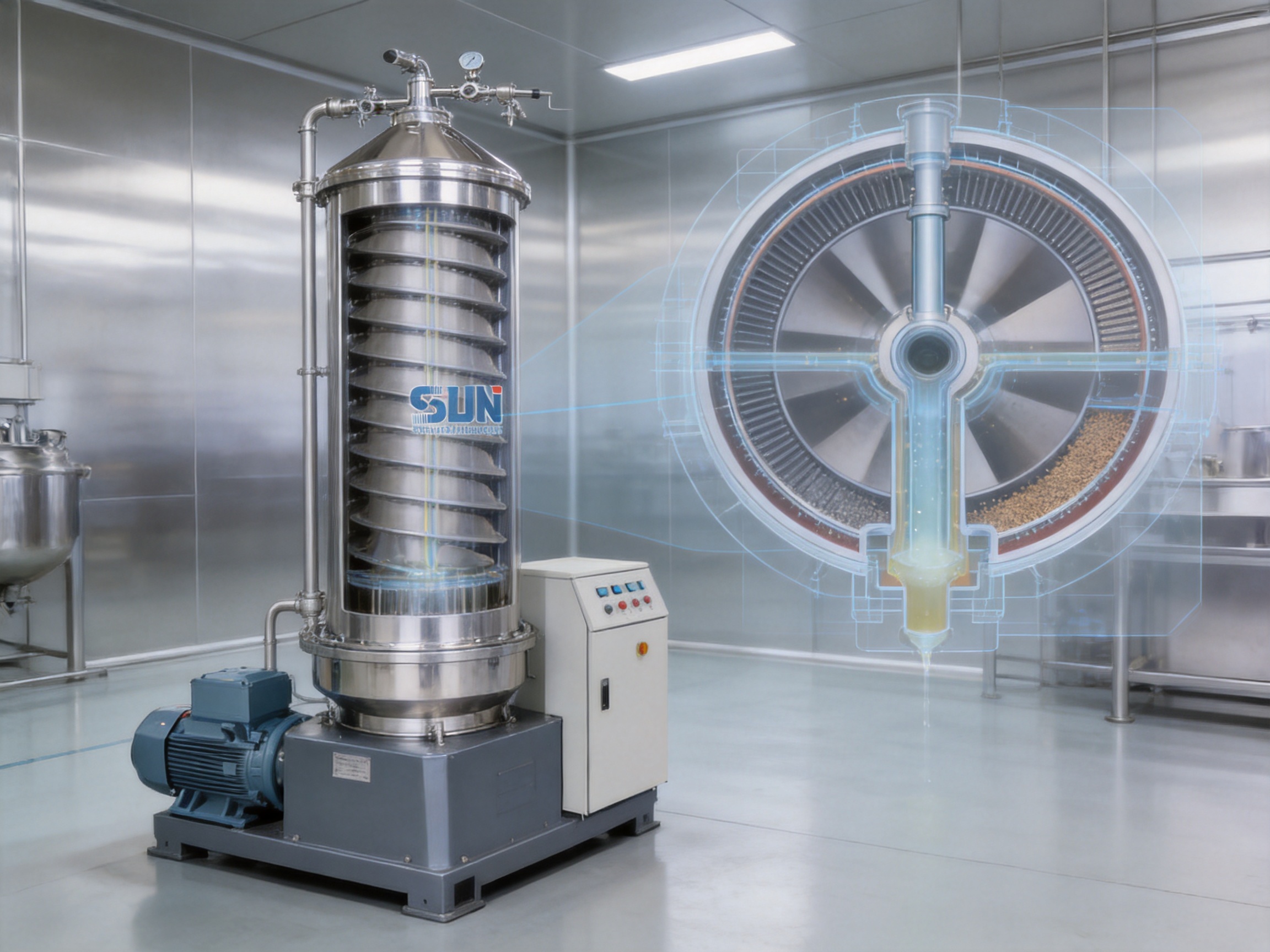
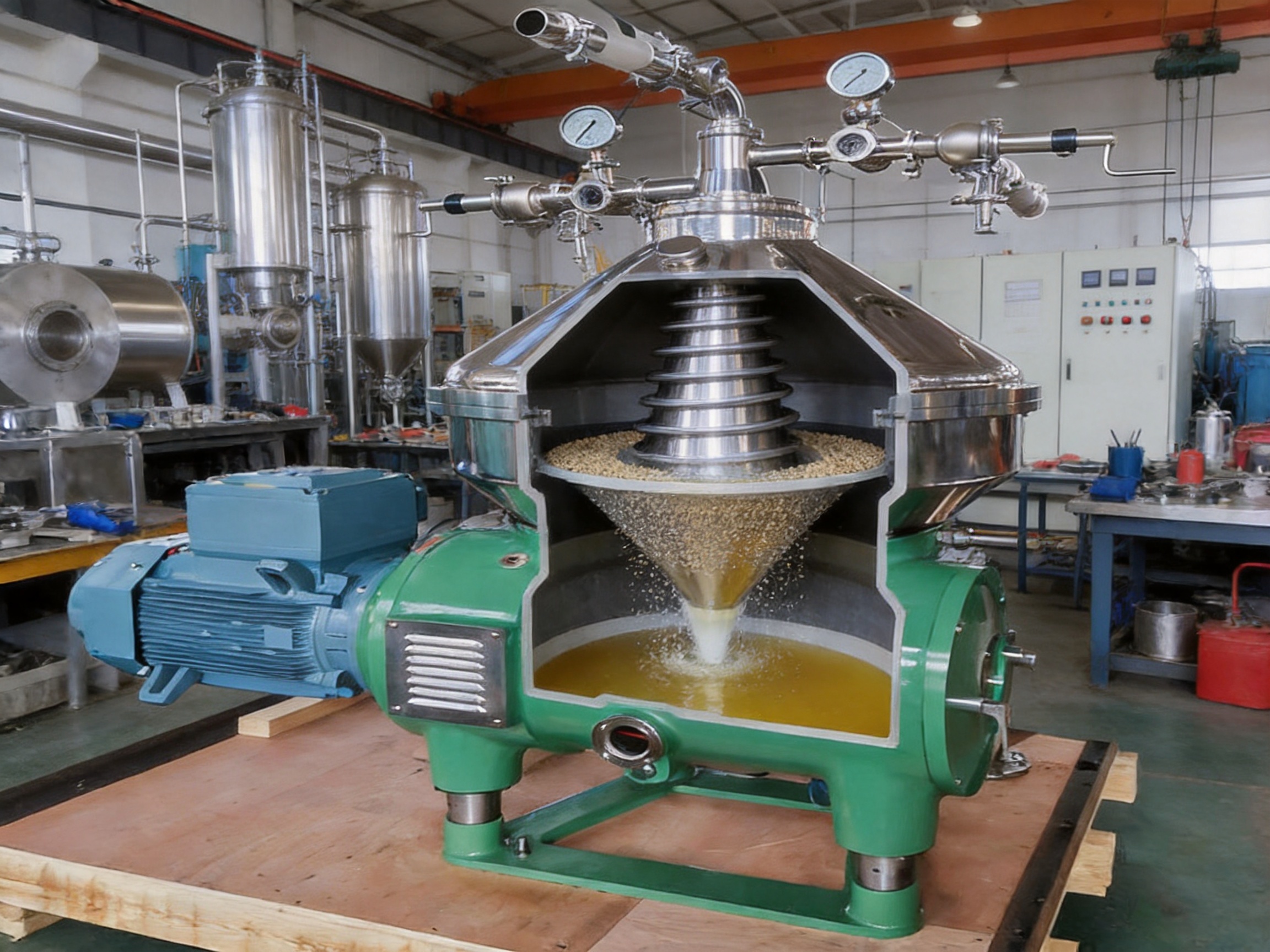
The disc stack centrifuge is a vertical, high-speed centrifugal separator. Its main rotating component is a bowl mounted on a stable and durable base. Inside the bowl, multiple conical discs are installed in an overlapping stack with uniform gaps between them. The process liquid enters through a central feed pipe and is distributed into the rotating separation chamber.
When the bowl rotates at high speed, strong centrifugal force acts on the material. The force causes components with different densities to move in different directions. Solid particles and heavier liquid phases migrate outward toward the bowl wall, while the lighter clarified liquid or lighter liquid phase moves toward the central area. The closely spaced discs shorten the distance that particles must travel before reaching a separation surface.
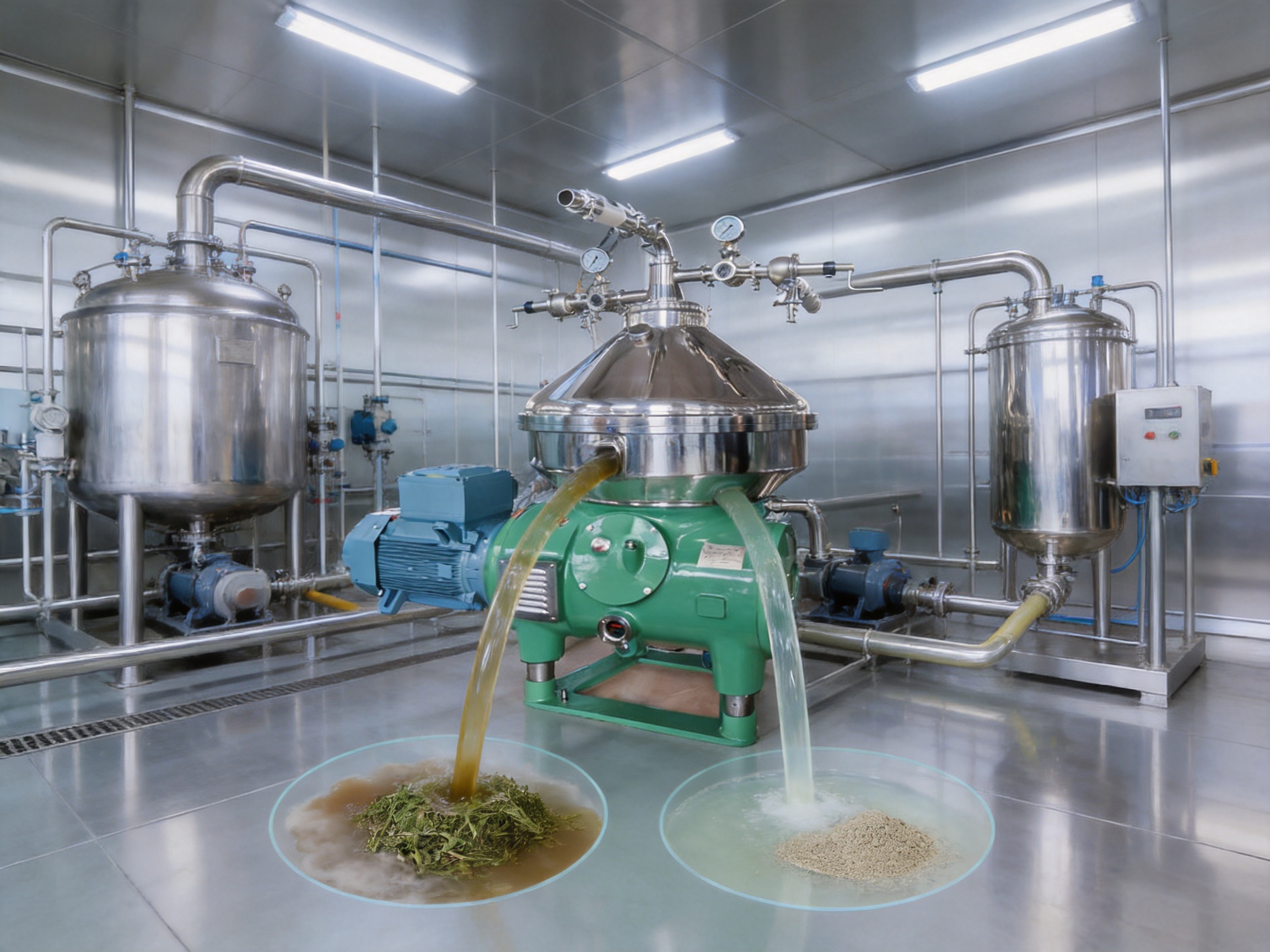
Fine solids settle on the disc surfaces and gradually slide outward along the inclined disc walls. They accumulate in the outer sediment-collection area. Clarified liquid flows through the appropriate internal channels and exits continuously through the liquid outlet. When two immiscible liquid phases are present, the disc stack can also improve liquid-liquid separation by enlarging the effective interface area and encouraging the heavier and lighter phases to move toward their respective outlets.
The disc stack is central to the equipment’s performance. In a conventional open settling vessel, particles must travel through a relatively large vertical distance before reaching the bottom. In a disc stack centrifuge, each disc creates a short separation path. The total effective separation area is therefore much greater than the physical footprint of the bowl alone. This arrangement helps the centrifuge process more liquid in a relatively compact machine.
Operating performance depends on several factors, including particle size, density difference, feed viscosity, solids concentration, temperature, flow rate, bowl speed, disc spacing, and the specific characteristics of the material. Correct model selection and process commissioning are therefore important. The listed capacity ranges provide useful selection guidance, but actual throughput should be confirmed through material testing and process evaluation.
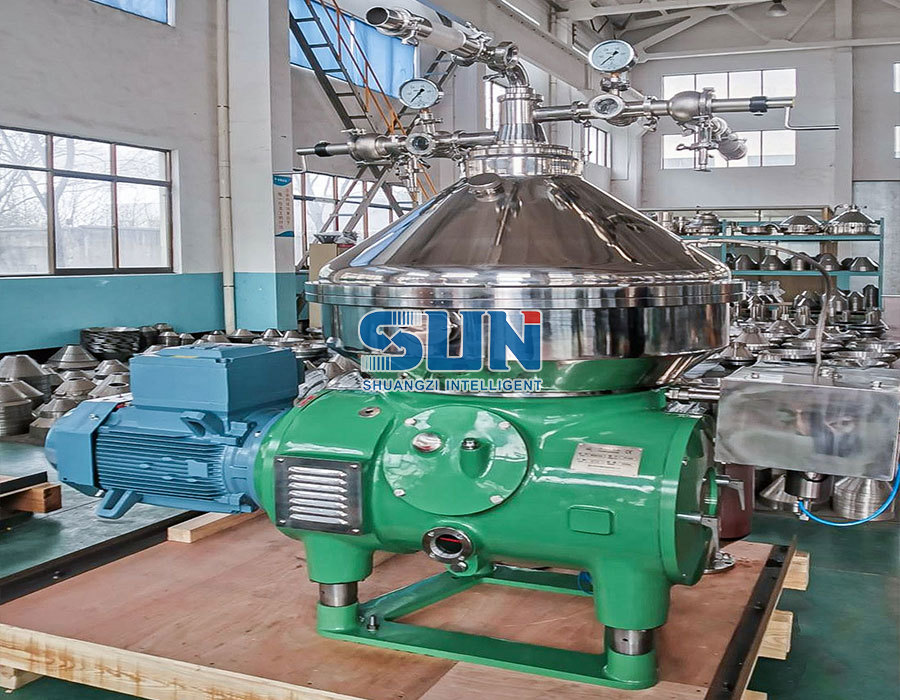
Vertical Disc Stack Centrifuge Separator for Biological Liquid Herb Extract Solid-liquid Separation
3. Structural Features and Material Selection
3.1 Vertical Bowl Arrangement
The vertical bowl arrangement provides an efficient use of floor space and supports the separation of solids from liquid under strong centrifugal force. A stable base helps reduce vibration and supports reliable long-term operation. The vertical configuration also allows solids to collect in the outer bowl region, where they can be removed according to the selected discharge arrangement.
The bowl is engineered to withstand high-speed rotation and the mechanical loads associated with centrifugal separation. The rotating assembly, drive system, and support structure must work together with appropriate balance and alignment. Stable mechanical operation is essential because a disc separator operates at speeds ranging from several thousand revolutions per minute to approximately 9,000 revolutions per minute, depending on the model.
3.2 Disc Stack Design
The discs are installed with uniform gaps to create repeated separation channels. Their inclined geometry allows solids to settle on the disc surfaces and slide toward the outer collection area. The disc stack increases the available separation surface without requiring a proportionally larger machine.
This design gives the centrifuge an advantage over simple centrifugal tanks and many conventional settling systems. Instead of depending mainly on the overall bowl diameter, the separator uses a large number of closely arranged surfaces to improve clarification. The resulting structure is especially useful for fine suspended particles that settle slowly under gravity.
3.3 Stainless-Steel Product-Contact Parts
All material-contact parts are made from stainless steel. This provides corrosion resistance for many aqueous, botanical, food, and biochemical materials and supports regular cleaning. Stainless steel is also widely accepted in hygienic processing environments because it has a smooth, durable surface and does not easily absorb process liquids.
The choice of stainless steel is important when handling herbal extracts, fermentation liquids, edible oils, beverages, and pharmaceutical-related materials. Process liquids can vary significantly in acidity, salt concentration, solvent content, temperature, and organic composition. Material compatibility should always be checked for the specific formulation, but stainless-steel construction provides a strong foundation for demanding industrial service.
3.4 Manual and Automatic Solids Handling
The centrifuge can be configured for manual solids removal after shutdown or for automatic slag discharge. Manual discharge is suitable for applications with lower solids loading, intermittent operation, laboratory work, and pilot-scale testing. It offers a straightforward arrangement with fewer automatic mechanisms and may be appropriate when operators prefer to inspect the accumulated sediment between batches.
Automatic discharge is more suitable for continuous lines or processes with a higher solids load. It helps maintain production continuity by removing accumulated solids without requiring the complete shutdown of the equipment for every cleaning cycle. The discharge method should be selected according to the feed material, solids concentration, required production schedule, cleaning procedure, and level of automation.
4. Main Product Advantages
4.1 High Separation Efficiency in a Compact Design
The combination of high rotational speed and a multi-disc separation chamber creates strong separation conditions in a compact footprint. Compared with gravity settling, the centrifuge significantly reduces the time required for particles or heavy liquid phases to migrate. This allows manufacturers to reduce dependence on large settling tanks and make better use of valuable production space.
For facilities with limited floor area, a compact vertical machine can simplify plant planning. It can be positioned close to extraction, fermentation, concentration, or filtration equipment, reducing unnecessary transfer distance and supporting a more organized process flow.
4.2 Expanded Effective Separation Area
The disc stack greatly increases the effective separation area. Each disc contributes to the clarification process, so the total separation capacity is much greater than would be expected from the equipment’s external dimensions alone. The short distance between adjacent discs improves the opportunity for fine particles to settle before being carried out with the liquid.
This feature can be especially valuable for herbal extracts and fermentation broths, where the suspended solids may be fine and difficult to remove with simple screens. It can also support the clarification of food and beverage liquids in which visual appearance and sediment control are important.
4.3 Broad Processing Application
The separator is suitable for solid-liquid separation and, when correctly configured, liquid-liquid separation. Its application range includes plant extracts, biological liquids, fermentation broths, edible oils, beverages, pharmaceutical process liquids, and biochemical materials.
In plant extraction, the machine can remove fine insoluble particles after extraction and before concentration. In fermentation, it can clarify broth or separate cells and cell debris. In food processing, it can remove sediment from beverages or help separate oil and water phases. In pharmaceutical and biochemical production, it can support intermediate clarification before subsequent purification or concentration.
4.4 Continuous Liquid Discharge
Clarified liquid is discharged continuously through the liquid outlet. Continuous discharge supports stable downstream feeding and can reduce the need for intermediate storage tanks. A consistent liquid flow is useful when the centrifuge is connected to evaporators, membrane systems, extraction systems, dryers, crystallizers, or filling equipment.
Continuous operation also makes it easier to integrate the separator into an automated production line. Flow control, feed pumping, temperature monitoring, and discharge timing can be coordinated with upstream and downstream equipment.
4.5 Flexible Solids-Discharge Options
The availability of manual and automatic solids-discharge arrangements allows the equipment to be adapted to different production scales. A laboratory or pilot plant may not require automatic discharge, while a continuous production line may benefit substantially from it. This flexibility helps avoid over-specifying a machine for a small application while preserving an upgrade path for larger operations.
4.6 Corrosion Resistance and Cleanability
Stainless-steel contact surfaces are resistant to many common process environments and are easier to clean than rough or absorbent materials. Cleanability is particularly important in food, pharmaceutical, biological, and herbal-extract manufacturing, where residue buildup can affect product quality and create cross-contamination risks.
Cleaning requirements vary according to the product and regulatory environment. Operators should establish suitable cleaning-in-place or manual-cleaning procedures, verify chemical compatibility, and follow validated sanitation practices where applicable. The smooth stainless-steel construction provides a practical basis for these procedures.
4.7 Stable and Durable Operation
The centrifuge is built around a stable base and a high-speed rotating bowl. Properly designed support and balanced operation help promote reliable performance over extended production periods. Stable operation can reduce interruptions, protect product consistency, and support a predictable maintenance schedule.
As with all high-speed centrifugal equipment, operators must follow the manufacturer’s instructions for installation, balancing, lubrication, inspection, and safety interlocks. Performance depends not only on the separator itself but also on correct commissioning and disciplined operation.
5. Comparison with Conventional Separation Methods
| Separation method | Typical strengths | Typical limitations | Role of a disc stack centrifuge |
|---|---|---|---|
| Gravity settling | Simple structure and low mechanical complexity | Long residence time, large tanks, limited performance for fine particles | Provides much faster separation in a compact machine |
| Screen or coarse filtration | Useful for large particles and preliminary removal | Not effective for many fine suspended solids; screen blockage may occur | Can serve as a downstream clarification step after coarse screening |
| Filter press | Good solids capture and relatively high cake concentration | Intermittent operation, filter cloth cleaning, labor requirements, possible product hold-up | Provides continuous liquid clarification for suitable low-to-moderate solids feeds |
| Vacuum filtration | Suitable for selected solid-liquid systems | Filter-media consumption and potential blinding with fine or compressible solids | Offers a high-speed alternative for fine suspended materials |
| Decanter centrifuge | Handles larger solids loads and continuous solids conveyance | Often has a larger footprint and may be less suitable for fine clarification or liquid-liquid polishing | Provides high-speed clarification with a disc-based separation area |
| Disc stack centrifuge | High separation force, compact design, continuous liquid discharge, liquid-liquid and solid-liquid capability | Requires careful balancing, correct feed conditions, and planned maintenance | Suitable for fine clarification and process integration |
The comparison does not mean that one technology is universally superior. The correct equipment depends on feed composition, solids loading, desired clarity, throughput, temperature, viscosity, discharge requirements, and plant standards. In many facilities, technologies are combined. Coarse filtration may protect the centrifuge, while the centrifuge provides final clarification before evaporation or polishing filtration.
Compared with gravity systems, the main advantage of the disc stack centrifuge is speed and compactness. Compared with ordinary filtration, its main advantages can include continuous liquid handling, reduced dependence on disposable media, and the ability to process fine suspended materials. Compared with larger solids-handling centrifuges, it can provide a more suitable configuration when high clarification precision and liquid-liquid separation are important.
6. Model Range and Technical Parameters
The product family includes seven models, from PTSX15 to PTSX225. The range covers laboratory, pilot, and medium-to-small continuous production requirements. The actual selection should be based on the material properties and required process capacity rather than capacity alone.
| Item | PTSX15 | PTSX40 | PTSX45 | PTSX75 | PTSX90 | PTSX125 | PTSX225 |
|---|---|---|---|---|---|---|---|
| Drum diameter | 300 mm | 440 mm | 460 mm | 540 mm | 580 mm | 620 mm | 800 mm |
| Sliding piston diameter | 270 mm | 380 mm | 400 mm | 470 mm | 500 mm | 540 mm | 700 mm |
| Processing capacity | 100–2,000 L/h | 1,000–3,000 L/h | 2,000–5,000 L/h | 3,000–7,000 L/h | 5,000–8,500 L/h | 8,000–12,000 L/h | 12,000–20,000 L/h |
| Speed | 9,000 rpm | 7,400 rpm | 7,100 rpm | 6,626 rpm | 6,200 rpm | 5,800 rpm | 4,300 rpm |
| Motor power | 4–5.5 kW | 7.5–11 kW | 11–15 kW | 15–18.5 kW | 18.5–22 kW | 22–30 kW | 37 kW |
| Weight | 680 kg | 1,260 kg | 1,760 kg | 2,560 kg | 3,160 kg | 4,800 kg | 5,200 kg |
| Dimensions, L × W × H | 950 × 950 × 1,250 mm | 1,415 × 1,400 × 1,450 mm | 1,500 × 1,100 × 1,400 mm | 1,772 × 1,473 × 1,855 mm | 1,800 × 1,500 × 1,855 mm | 1,950 × 1,500 × 1,955 mm | 2,119 × 1,699 × 2,368 mm |
The PTSX15 offers the smallest listed drum diameter and a processing range beginning at approximately 100 liters per hour. Its maximum rotational speed of 9,000 revolutions per minute makes it suitable for laboratory trials, pilot work, and smaller continuous operations where fine clarification is required.
The PTSX40, PTSX45, and PTSX75 provide progressively larger capacity ranges for pilot plants and growing production lines. Their rated speeds remain high while their drum diameters and motor powers increase. These models can be considered when the process requires a balance between throughput, compact installation, and high clarification performance.
The PTSX90 and PTSX125 are designed for higher flow requirements, with listed capacities up to approximately 8,500 and 12,000 liters per hour respectively. They are suitable candidates for larger continuous lines, subject to feed testing and confirmation of solids loading.
The PTSX225 is the largest model in the listed series, with an 800-millimeter drum diameter, a processing range of approximately 12,000 to 20,000 liters per hour, and a 37-kilowatt motor. Its larger dimensions and weight require careful foundation, lifting, access, and plant-layout planning.
7. Application in Herbal Extract Processing
Plant extraction processes often produce liquids containing insoluble particles and fine sediment. These materials may originate from leaves, roots, stems, seeds, bark, flowers, or other botanical tissues. Even after the extracted liquid passes through a coarse screen, fine solids may remain suspended because of particle size, surface characteristics, or the viscosity of the extract.
A disc stack centrifuge can be installed after extraction and preliminary screening. The separator removes fine suspended solids before the liquid enters an evaporation or concentration stage. This arrangement helps protect heat-transfer surfaces and reduces the amount of sediment carried into the concentrator.
For herbal products, appearance and consistency can be important quality attributes. A more effectively clarified liquid may support a more uniform concentration process and reduce visible sediment in the finished extract. The centrifuge can also help reduce the load on downstream polishing filters, potentially extending filter service life.
Plant extracts vary widely. Some are low-viscosity aqueous liquids, while others contain oils, resins, proteins, polysaccharides, or concentrated dissolved solids. High viscosity can reduce separation performance, and certain botanical components may form stable emulsions or colloids. Process trials are therefore recommended before final model selection.
The separator may also support liquid-liquid separation in extraction systems where an organic or oil phase must be separated from an aqueous phase. The difference in density between the phases, interfacial tension, temperature, and emulsion stability all influence results. The equipment should be configured and operated according to the specific solvent and safety requirements of the process.
8. Application in Biological Fermentation
Fermentation broths can contain living cells, dead cells, cell fragments, proteins, nutrients, and dissolved metabolites. In some processes, the product is present in the liquid after the cells have been removed. In others, the cells themselves are the desired product or must be recovered for further treatment.
A disc stack centrifuge can provide a rapid clarification step after fermentation. Removing cells and suspended debris may prepare the liquid for concentration, purification, crystallization, membrane treatment, or drying. Continuous discharge of clarified liquid can support a steady production flow and reduce the need for large holding tanks.
Biological materials can be sensitive to shear, temperature, oxygen exposure, and residence time. The operating conditions should therefore be selected carefully. Feed temperature, pumping method, flow rate, and residence time may influence product quality. A controlled process-development program can identify a suitable balance between separation efficiency and biological stability.
When cell recovery is required, the equipment may be operated to collect concentrated solids rather than simply maximize liquid clarity. The optimum conditions will depend on cell size, density, compressibility, broth viscosity, and the value of the recovered material. The separator’s flexible arrangement allows it to be considered for different stages of a fermentation process.
9. Application in Food, Beverage, Oil, and Biochemical Processing
9.1 Beverages
Many beverages contain natural sediment, pulp, yeast, proteins, or other suspended materials. A disc stack centrifuge can support clarification before final blending, pasteurization, filling, or packaging. By reducing suspended solids, it may improve visual clarity and reduce sediment accumulation during storage.
Different beverages have different requirements. Fruit-based liquids may contain fibrous pulp, while fermented drinks may contain yeast and protein particles. The process should be adjusted to avoid excessive product loss and to maintain desired flavor, color, and aroma characteristics.
9.2 Edible Oils
Edible oil processing may involve the removal of water, fine solids, gums, or other impurities. A disc separator can support liquid-liquid separation and clarification when density differences are sufficient. Stainless-steel product-contact parts help meet the general material expectations of food-processing environments.
Oil viscosity changes with temperature, so temperature control may be important. Maintaining an appropriate feed temperature can improve flow behavior and separation efficiency, but the temperature must remain compatible with the product and process safety requirements.
9.3 Biochemical Liquids
Biochemical processes may produce liquids containing proteins, precipitates, cell fragments, or fine particles. The centrifuge can be used as an intermediate separation unit before chromatography, membrane processing, evaporation, or crystallization. Its compact design may be valuable in pilot plants where several process steps must fit within a limited area.
9.4 Pharmaceutical Process Liquids
Pharmaceutical processing requires careful control of contamination, cleaning, material compatibility, and traceability. The stainless-steel structure and the option for integration with automated equipment support these requirements, although the final installation must be designed and qualified according to the applicable regulatory standards.
The centrifuge may be used for intermediate clarification, separation of precipitated materials, or removal of fine particles from process liquids. Final use should be determined through process validation, cleaning validation, material certificates, and the customer’s quality system.
10. Manufacturing Strengths and Engineering Capabilities
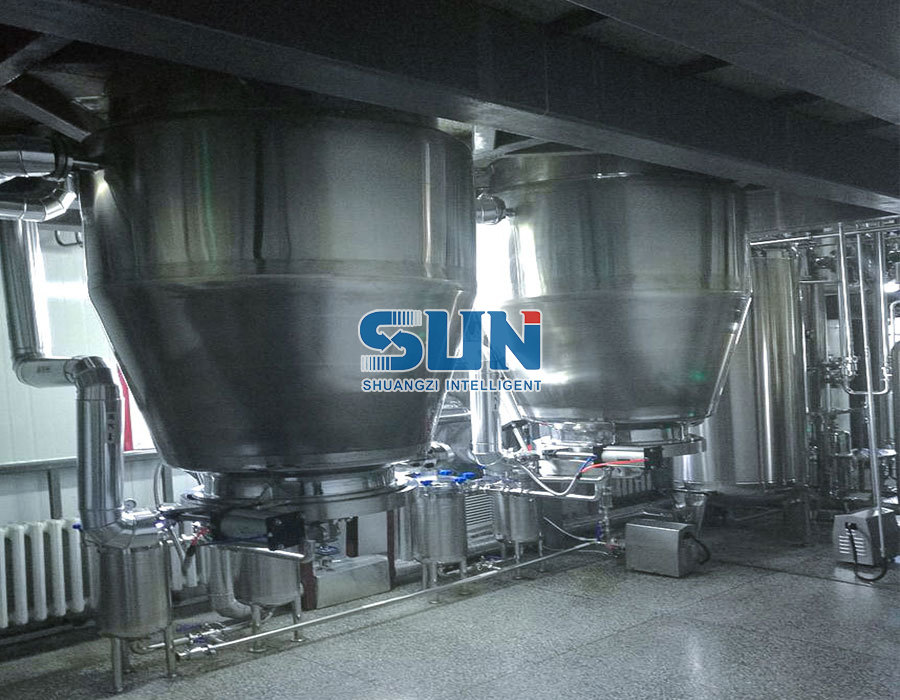
The equipment is manufactured by Zhejiang Shuangzi Intelligent Equipment Co., Ltd., a professional biology and medical equipment enterprise established in 2007. The company focuses on process technology, automation engineering design, equipment manufacturing, supporting procurement, installation, and equipment-system integration.
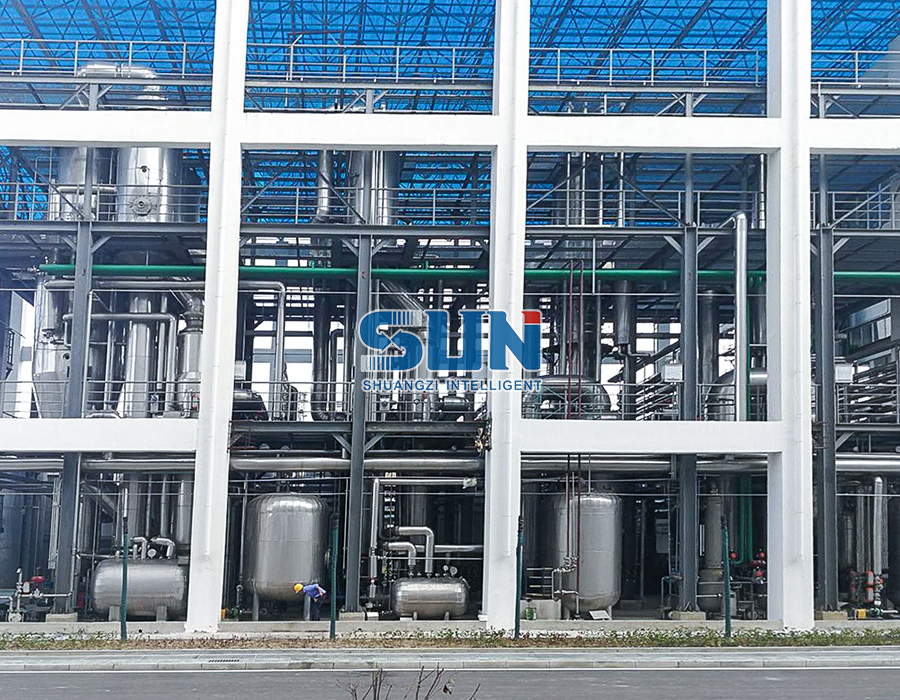
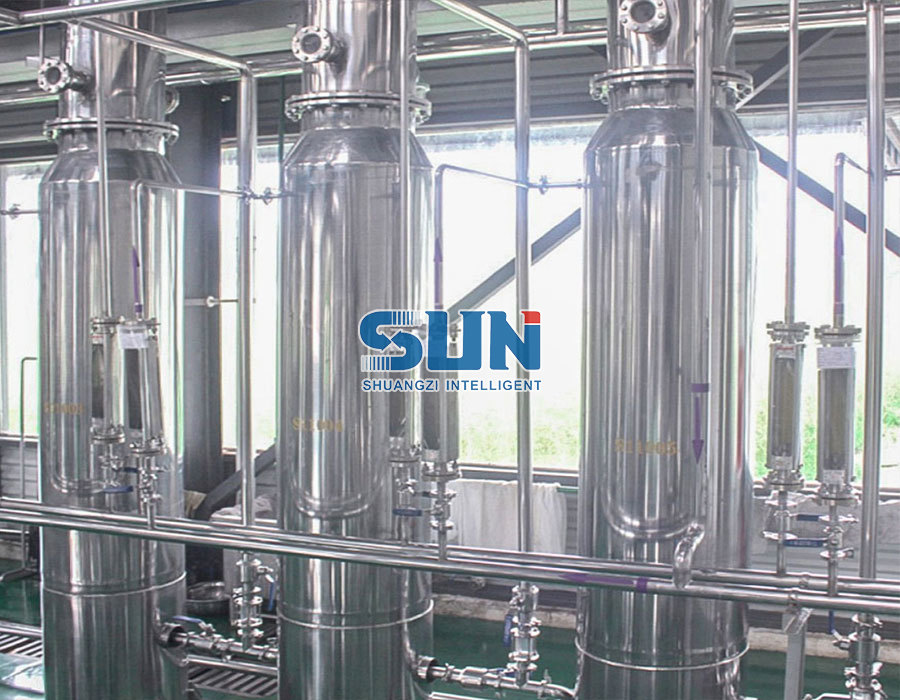
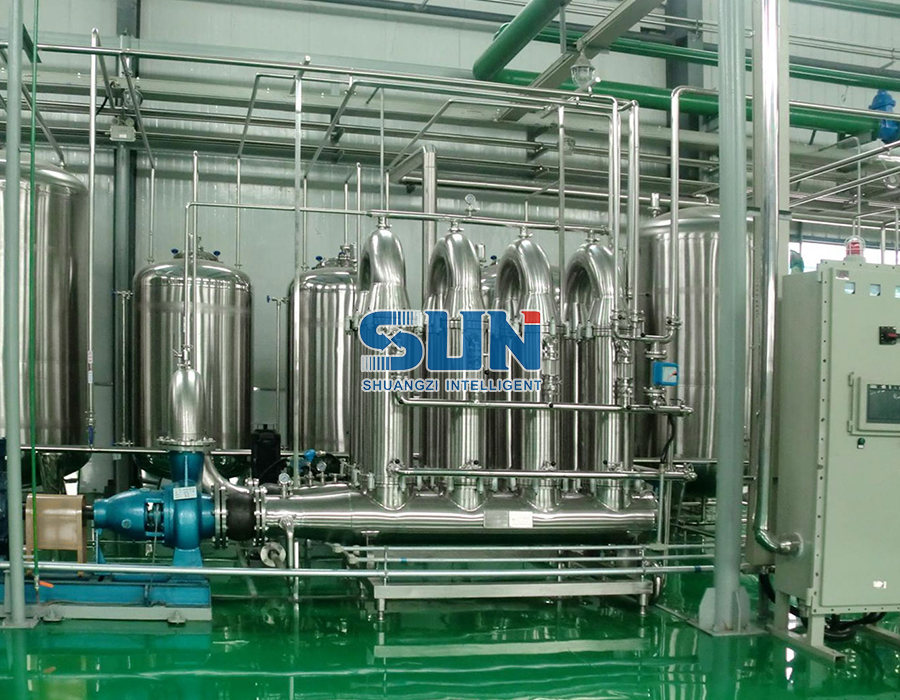
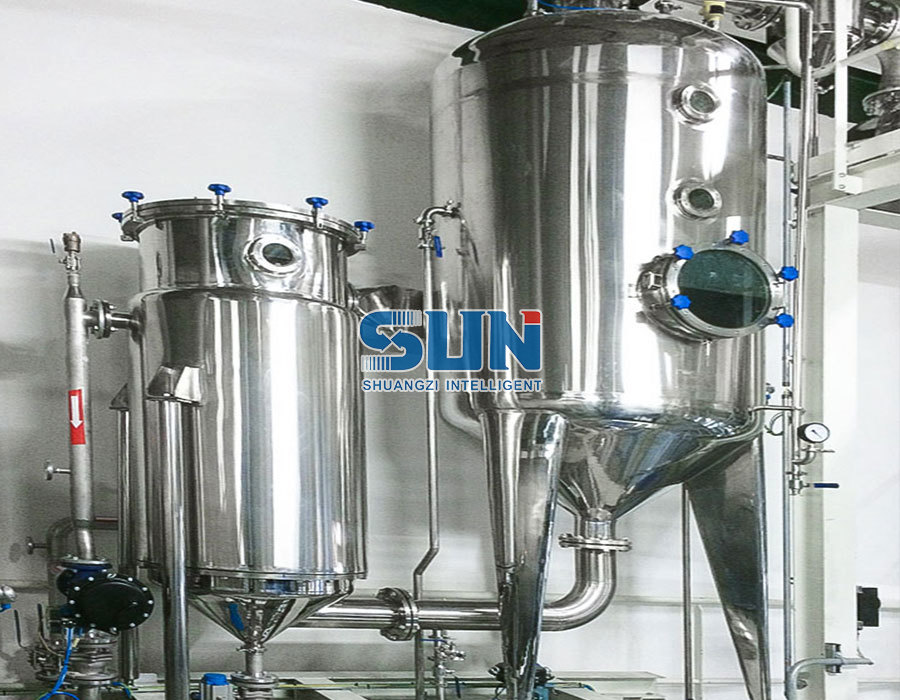
The company’s capabilities extend beyond the supply of an individual separator. Its engineering scope covers plant extraction, biological fermentation, pharmaceutical engineering, natural food, energy conservation, environmental protection, and related process industries. This broader background is important for customers who need to connect a centrifuge with extraction, evaporation, concentration, fermentation, drying, filtration, crystallization, or other process stages.
The company has a floor area of approximately 16,706 square meters and a structural area of approximately 17,800 square meters. Its facilities include production resources, a pilot production workshop, and a research and development platform intended to support automated systems and GMP-oriented requirements.
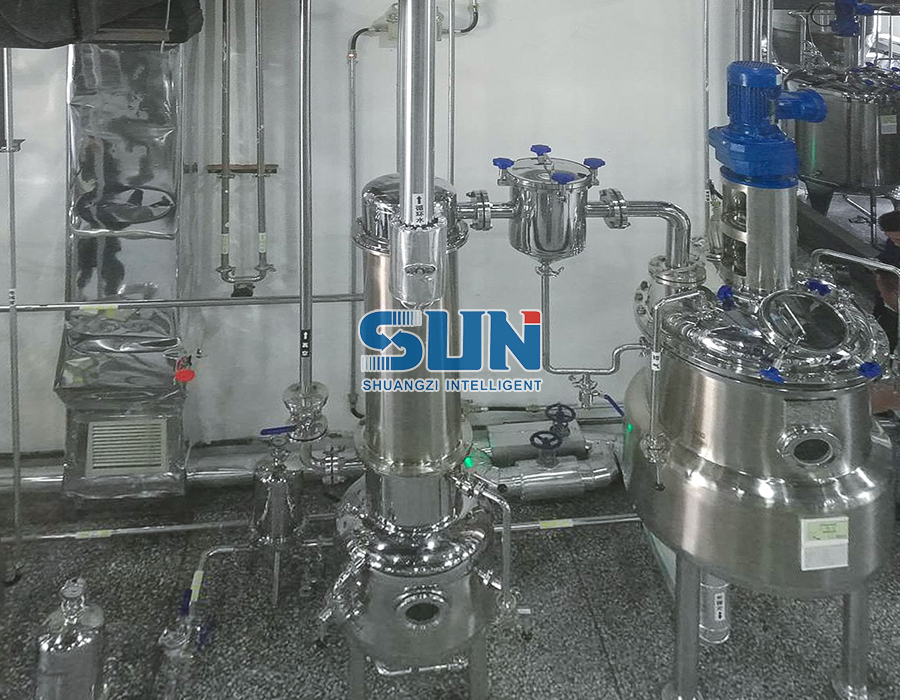
Manufacturing resources include advanced welding and finishing equipment, such as plasma argon arc welding machines, plasma cutting machines, and CAM CNC machining centers. These resources support accurate fabrication, clean weld preparation, controlled shaping, and repeatable manufacturing of stainless-steel process equipment.
High-quality stainless-steel equipment depends on more than the material grade alone. Welding quality, surface finishing, dimensional control, internal cleanliness, component fit, and inspection procedures all influence the final result. Advanced welding and machining resources help the manufacturer manage these factors during production.
10.1 Process and Automation Integration
A separator rarely operates alone in a modern production facility. It normally requires feed pumps, valves, pipelines, control instruments, storage tanks, cleaning systems, electrical cabinets, and downstream equipment. The manufacturer’s experience in automation engineering design and system integration allows the centrifuge to be considered as part of a complete process rather than as an isolated machine.
Integration may include feed-flow control, automatic discharge coordination, level monitoring, alarm management, motor protection, interlocks, and connection with upstream and downstream equipment. The exact scope depends on the customer’s process, plant standards, and automation strategy.
10.2 Pilot and Research Support
Process development is particularly important for biological and botanical materials because feed properties can vary significantly. A pilot workshop and research platform make it possible to evaluate separation behavior before full-scale implementation. Pilot testing can help determine suitable capacity, flow rate, solids-discharge frequency, temperature, and cleaning requirements.
Testing can also reveal whether the separator should be placed before or after a particular process step. For example, a customer may compare clarification immediately after extraction with clarification after a preliminary concentration stage. The best arrangement depends on the interaction between viscosity, solids loading, product concentration, and downstream equipment.
10.3 Turnkey Project Capability
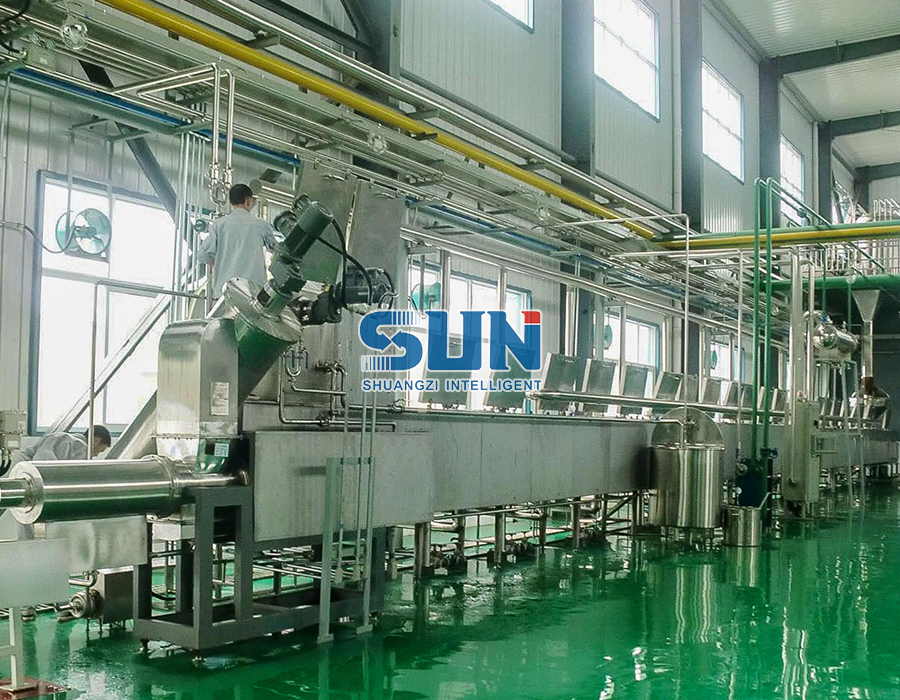
The company can provide process design, equipment design, installation, line debugging, and turnkey project services. This capability is valuable for customers building a new plant or upgrading an existing production line. A turnkey approach can reduce coordination difficulties between multiple suppliers and help align equipment interfaces from the beginning of the project.
For an extraction project, the complete scope may include extraction vessels, solid-liquid separation, evaporation, concentration, drying, storage, and control systems. For a fermentation project, it may include fermentation tanks, sterilization, separation, concentration, and cleaning systems. The disc stack centrifuge can be incorporated into these lines according to the required process sequence.
11. Installation and Process-Design Considerations
Correct installation is essential for high-speed centrifugal equipment. The foundation must be capable of supporting the machine’s operating weight and dynamic loads. The installation area should provide sufficient clearance for inspection, maintenance, bowl access, cleaning, lifting, and connection of process pipelines.
For larger models, transportation routes, doors, ceiling height, lifting equipment, and foundation access should be reviewed before delivery. The listed machine dimensions and weights should be included in the plant-layout study at an early stage.
Feed-pump selection is also important. The pump should provide a stable flow without introducing excessive shear, pulsation, or air entrainment. The feed line should be designed to avoid unnecessary dead legs and should support effective drainage and cleaning where hygienic operation is required.
Temperature can influence viscosity and density difference. A suitable temperature-control strategy may improve separation, but the process must remain within the safe and acceptable range for the product. If the material contains volatile solvents, special requirements for ventilation, electrical classification, sealing, and explosion protection may apply.
The liquid outlets should be connected so that backpressure remains within the equipment’s operating limits. Discharge lines should be properly supported and arranged to prevent vibration or excessive mechanical loading on the centrifuge connections.
12. Operation, Maintenance, and Safety
Before operation, operators should verify that the centrifuge is correctly installed, the bowl and internal components are properly assembled, the feed and discharge connections are secure, and all safety devices are functional. The machine should not be operated if abnormal vibration, unusual noise, leakage, or visible damage is present.
Start-up should follow the recommended sequence. The bowl should reach the required operating condition before the feed is introduced, unless the operating manual specifies another procedure. Feed flow should be increased gradually while operators monitor vibration, motor load, pressure, temperature, and liquid clarity.
Operating records can help identify process changes. Useful records may include model identification, feed rate, temperature, motor current, discharge frequency, cleaning cycle, product clarity, solids concentration, and maintenance observations. Trend monitoring can support preventive maintenance and help operators recognize developing problems.
Routine maintenance may include inspection of bearings, drive components, seals, fasteners, electrical systems, sensors, bowl components, and discharge mechanisms. Cleaning should be performed according to the material being processed and the established sanitation procedure. Abrasive tools or incompatible chemicals should not be used on stainless-steel contact surfaces.
High-speed rotating equipment requires strict safety discipline. Guards must remain in place during operation, and the machine must be fully stopped before opening or servicing. Lockout and isolation procedures should be followed for electrical, mechanical, hydraulic, pneumatic, and process-energy sources. Only trained personnel should inspect or adjust the rotating bowl and associated components.
Automatic slag discharge improves production continuity, but it does not eliminate the need for inspection. Operators should confirm that the discharge cycle is functioning correctly and that solids are not accumulating beyond the intended level. Manual-discharge systems require planned shutdowns and careful cleaning after solids removal.
13. Selecting the Appropriate Model
Model selection begins with the feed material. Customers should provide information about density, viscosity, temperature, pH, solids concentration, particle-size distribution, liquid phases, corrosive components, and sensitivity to shear or heat. The desired outlet quality and the acceptable product loss should also be defined.
The required flow rate is another essential factor. The listed processing capacity ranges are general reference values. Actual throughput may be lower when the material is highly viscous, contains a heavy solids load, forms stable emulsions, or requires very high clarification precision. A model should not be selected solely according to the maximum nominal capacity.
Customers should also determine whether the process requires manual or automatic solids discharge. Manual discharge may be sufficient for intermittent production, laboratory work, or low-solids feeds. Automatic discharge is generally more appropriate for continuous lines and applications where shutdowns would interrupt production.
The installation environment should be reviewed as well. Available floor area, ceiling height, equipment weight, lifting access, utility supply, cleaning method, drainage, and control-system requirements all influence the final configuration. If the centrifuge will be used in a GMP-oriented facility, documentation, surface treatment, inspection, validation, and cleanability requirements should be established before manufacturing.
14. Why Choose an Integrated Equipment and Engineering Supplier?
Purchasing a centrifuge from an equipment manufacturer with process-engineering capability can provide several practical advantages. The supplier can evaluate how the separator interacts with the rest of the line, identify appropriate upstream protection, recommend downstream connections, and help coordinate installation and commissioning.
An integrated supplier can also support equipment matching. For example, the centrifuge capacity should be compatible with extraction-vessel discharge, fermentation-batch size, evaporator feed rate, storage-tank volume, and packaging demand. A mismatch may result in excessive waiting time, unstable feed, or unnecessary recirculation.
Engineering support is particularly valuable for biological and herbal processes because the same nominal flow rate can behave differently depending on viscosity, particle shape, temperature, and solids concentration. Process testing and line design help convert general equipment specifications into a practical operating solution.
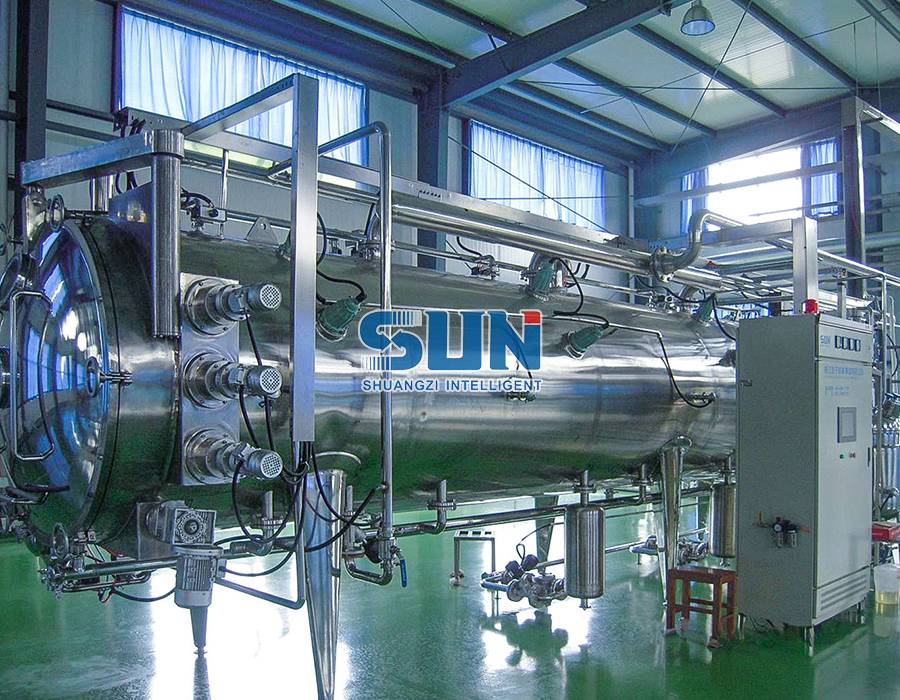
The company’s experience with vacuum low-temperature drying, fermentation systems, evaporation and concentration, extraction, separation, crystallization, filtration, vessels, and related process equipment enables the centrifuge to be integrated into broader production projects. This supports customers seeking a single source for equipment, process design, installation, debugging, and turnkey delivery.
15. Quality, Customization, and Long-Term Value
The long-term value of a separator depends on more than its initial purchase price. Stable operation, serviceability, cleaning efficiency, energy consumption, product recovery, labor requirements, and compatibility with future expansion all affect the total cost of ownership.
The model range allows customers to select equipment that corresponds to their current production scale while considering future capacity. A pilot-scale model can be used to establish process conditions before larger investment. Larger models can then be selected with greater confidence after feed behavior and separation performance have been evaluated.
Customization may involve the solids-discharge arrangement, process connections, control system, material specifications, surface finish, instrumentation, and integration with other equipment. Customization should be based on documented process requirements rather than unnecessary complexity. A well-matched system is generally easier to operate, maintain, clean, and validate.
Manufacturing quality is supported by the use of stainless-steel contact parts, advanced welding and finishing equipment, CNC machining capabilities, and engineering experience in process-system integration. These strengths help the manufacturer produce equipment suitable for demanding biological, pharmaceutical, food, and natural-product applications.
16. Frequently Asked Questions
Q1. What materials can this disc stack centrifuge process?
The separator is designed for biological liquids, herbal extracts, fermentation broths, edible oils, beverages, pharmaceutical process liquids, and biochemical materials. It can perform solid-liquid separation and can also support liquid-liquid separation when the phases have suitable density differences and the equipment is correctly configured.
Q2. How does the disc stack improve separation?
The overlapping discs create many closely spaced separation channels. These channels shorten the distance that suspended particles or heavy liquid phases must travel before reaching a separation surface. The result is a larger effective separation area and faster clarification than ordinary gravity settling.
Q3. Can the centrifuge remove very fine particles?
It is designed to improve the separation of fine suspended materials compared with simple settling systems. Actual performance depends on particle size, density, concentration, viscosity, feed rate, temperature, and other material characteristics. Testing is recommended for difficult or highly variable feeds.
Q4. Is the liquid outlet continuous?
Yes. Clarified liquid is discharged continuously through the liquid outlet while the machine is operating. This makes the separator suitable for integration with continuous extraction, fermentation, concentration, filtration, drying, or filling lines.
Q5. How are accumulated solids removed?
Depending on the configuration, solids can be removed manually after the machine is stopped or discharged through an automatic slag-discharge structure. Manual discharge is suitable for some laboratory, pilot, and intermittent applications, while automatic discharge is more suitable for continuous production.
Q6. Which model is suitable for a herbal extract line?
The correct model depends on the required flow rate and the extract’s properties. The product family covers approximately 100 to 20,000 liters per hour across the listed models. Viscosity, solids concentration, temperature, particle characteristics, desired clarity, and discharge frequency should be evaluated before selection.
Q7. Can the equipment be used for fermentation broth?
Yes. The centrifuge can clarify fermentation broth or recover suspended biological solids, depending on the process objective. Feed sensitivity, cell characteristics, viscosity, temperature, and desired product recovery should be considered during process development.
Q8. What are the benefits of stainless-steel material-contact parts?
Stainless steel provides corrosion resistance for many process liquids, supports hygienic operation, and is relatively easy to clean. The specific material grade and surface requirements should be confirmed according to the formulation, cleaning chemicals, temperature, and applicable industry standards.
Q9. Is the centrifuge suitable for a turnkey project?
Yes. The supplier provides process technology and automation engineering design, equipment manufacture, matching procurement, installation, line debugging, system integration, and turnkey project services. The centrifuge can therefore be incorporated into broader extraction, fermentation, pharmaceutical, food, and biochemical production lines.
Q10. What information should be supplied for a technical quotation?
Useful information includes the material name, flow rate, density, viscosity, temperature, pH, solids concentration, particle size, phase composition, required outlet clarity, cleaning method, operating schedule, desired discharge arrangement, available utilities, and installation conditions. Samples or laboratory test results can further improve equipment selection.
Q11. Does the largest model always provide the best solution?
No. Oversizing can increase investment and energy consumption without improving the process. The best model is the one that matches the actual feed properties, required throughput, clarification target, discharge method, and future expansion plan.
Q12. What industries can benefit from this equipment?
Potential industries include plant extraction, biological fermentation, pharmaceutical processing, natural food production, edible oil processing, beverage clarification, biochemical manufacturing, and environmental or resource-recovery applications involving suitable liquid-solid or liquid-liquid separation.
17. Conclusion
The vertical disc stack centrifuge separator is a high-speed, compact, and adaptable solution for biological liquid, herbal extract, fermentation broth, food, beverage, oil, pharmaceutical, and biochemical separation. Its vertical bowl, closely spaced disc stack, stainless-steel contact parts, continuous liquid discharge, and flexible solids-removal options provide a strong combination of efficiency and operating flexibility.
Compared with gravity settling, the centrifuge offers shorter separation time and a smaller installation footprint. Compared with ordinary filtration, it can provide continuous clarification without relying entirely on filter media. Compared with less specialized centrifugal equipment, its disc-based separation area is well suited to fine clarification and liquid-liquid separation.
The seven-model range covers processing capacities from approximately 100 to 20,000 liters per hour, allowing the equipment to serve laboratory, pilot, and medium-to-small continuous production requirements. Proper model selection should be based on material testing, process conditions, required capacity, desired clarity, solids loading, and the preferred discharge method.
The manufacturer’s strengths extend beyond centrifuge fabrication. Its experience in process technology, automation engineering, stainless-steel equipment manufacturing, pilot development, installation, debugging, and turnkey engineering makes it possible to integrate the separator into complete extraction, fermentation, pharmaceutical, food, and biochemical production systems.
For manufacturers seeking reliable clarification, efficient solids removal, improved process continuity, and a scalable separation platform, the vertical disc stack centrifuge represents a practical and technically versatile choice.
References
1. Perry’s Chemical Engineers’ Handbook, sections on centrifugal separation and process equipment selection.
2. Coulson and Richardson’s Chemical Engineering, volume covering particle technology and separation processes.
3. Basic Principles of Food Engineering, chapters on clarification, centrifugal separation, and hygienic processing.
4. Industrial Fermentation Processes, technical discussions of broth clarification and cell separation.
5. Pharmaceutical Engineering and Process Equipment, guidance on sanitary design, cleaning, and process integration.
6. Manufacturer-provided product specifications for the PTSX series vertical disc stack centrifuge.
7. Manufacturer-provided company information covering process engineering, equipment manufacturing, pilot production, automation integration, and turnkey project services.